
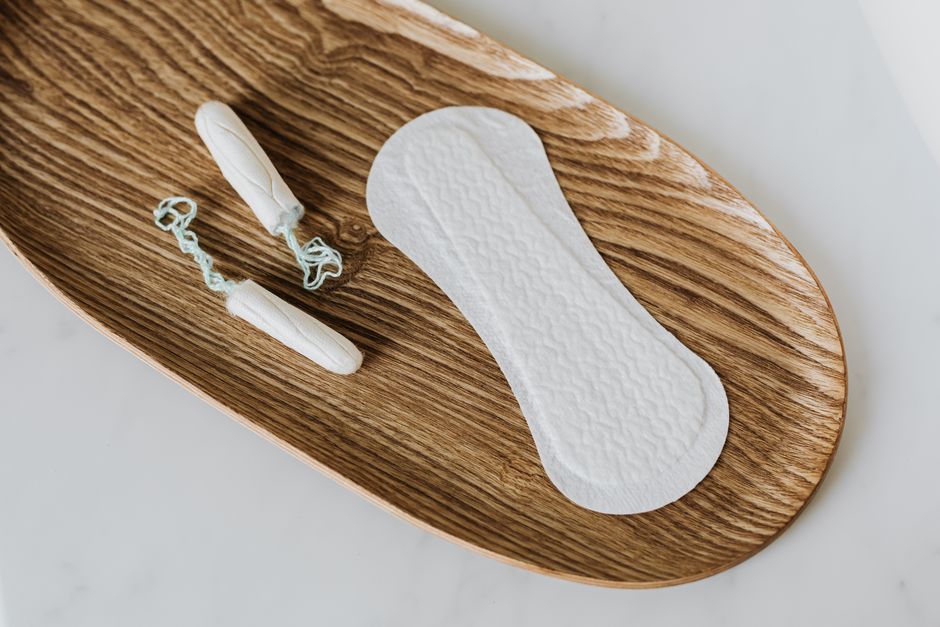
Tampons are designed for single use, and they should not stay in for more than 8 hours. This is the maximum recommended wear time according to established medical guidance. Leaving a tampon in longer than this increases your risk of toxic shock syndrome (TSS), a rare but serious bacterial infection. The safest approach is to change your tampon every 4 to 8 hours, depending on your flow, and to always use the lowest absorbency needed.
What Is the Maximum Time a Tampon Can Stay In?
The maximum time a tampon should remain in place is 8 hours. This is a firm medical guideline, not a suggestion. The U.S. Food and Drug Administration (FDA) requires tampon manufacturers to print this warning on their packaging inserts. It applies to all tampons, regardless of brand, absorbency, or whether they are made of cotton, rayon, or a blend.
Wearing a tampon for longer than 8 hours is the primary behavioral risk factor for toxic shock syndrome. The longer a tampon stays in, the more time bacteria like Staphylococcus aureus have to grow and produce toxins. Even if you have worn a tampon for 10 or 12 hours many times without problems, the risk is still present each time you do it.
Most people will not develop TSS from an extended-wear tampon. But the consequences are severe enough that the 8-hour limit is non-negotiable in clinical practice. You should never sleep with a tampon in for a full night if your sleep lasts longer than 8 hours. Set an alarm or use a pad or menstrual cup overnight instead.
Why Do Tampons Need to Be Changed So Often?
The vagina naturally contains a mix of bacteria. When a tampon is inserted, it absorbs menstrual blood and provides a warm, moist surface. This environment allows bacteria to multiply more rapidly than they would in the open air.
Toxic shock syndrome is not caused by the tampon itself. It is caused by certain strains of Staphylococcus aureus that produce a specific toxin called TSST-1. Not everyone carries this bacteria. Among those who do, the presence of a foreign body like a tampon can create the conditions for the toxin to enter the bloodstream through tiny breaks in the vaginal lining.
This is why absorbency matters. Higher-absorbency tampons are associated with a greater risk of TSS. The FDA requires tampon boxes to list absorbency on a standardized scale from “Regular” to “Ultra.” You should always choose the lowest absorbency that manages your flow. Using a “Super” tampon on a light day is riskier than using a “Regular” one and changing it more often.
What Are the Symptoms of Toxic Shock Syndrome?
TSS symptoms come on suddenly and can worsen quickly. You should not wait to see if they pass. The hallmark signs include a sudden high fever, usually above 102°F (38.9°C), vomiting, diarrhea, and a sunburn-like rash. Dizziness, confusion, and muscle aches are also common.
If you have a tampon in and develop any of these symptoms, remove the tampon immediately and seek emergency medical care. Do not wait for the symptoms to resolve on their own. TSS requires hospital treatment with intravenous antibiotics and supportive care. It can be fatal if not treated promptly.
It is important to note that TSS is extremely rare. The CDC estimates that menstrual-related TSS occurs in about 1 in 100,000 people who menstruate. But because the condition is so dangerous, the risk is taken seriously even at low rates. The symptoms above are also not exclusive to TSS. They could indicate another infection or illness. Either way, a fever over 102°F with vomiting and a rash warrants immediate medical attention.





What Happens If You Forget a Tampon In?
Forgetting a tampon is more common than most people think. It can be left in for days or even weeks, especially if it is a low-absorbency tampon that does not leak. In many cases, the person only realizes it when they notice a strong odor or unusual discharge.
A forgotten tampon will not dissolve or disappear. It remains in the vaginal canal, where it can cause a condition called vaginal foreign body syndrome. Symptoms include a foul-smelling, brown or pink discharge, irritation, and sometimes light bleeding. The odor is often the first sign.
If you suspect a tampon is stuck, you can try to remove it yourself with clean hands. If you cannot reach it, see a healthcare provider. They can remove it quickly and painlessly in an office visit. Do not leave it in place hoping it will come out on its own. It will not.
Most complications from a forgotten tampon resolve once it is removed. However, in rare cases, prolonged retention can lead to more serious infections like pelvic inflammatory disease or, in extremely rare cases, TSS. If you have had a tampon in for more than 8 hours, remove it and monitor yourself for symptoms. If you have had one in for several days, see a healthcare provider even if you feel fine.
Are There Safer Alternatives to Tampons?
Menstrual cups are a popular alternative because they collect blood rather than absorb it. They can be worn for up to 12 hours, which is longer than the tampon limit. However, they carry their own small risk of TSS and must be cleaned properly between uses. The evidence on menstrual cup safety is still developing, but current research suggests the TSS risk is lower than with tampons, though not zero.
Menstrual discs work similarly to cups and can also be worn for up to 12 hours. They are inserted higher in the vaginal canal and sit in the fornix. Some people find them more comfortable than cups. As with cups, proper hygiene is essential.
Period underwear and reusable cloth pads are completely non-insertable. They carry no risk of TSS at all. They require changing every few hours depending on flow, but there is no medical limit on how long they can be worn. They are a good option for overnight use.
No alternative product eliminates all risk. But for people who want to reduce their TSS risk while still using insertable products, cups and discs are reasonable options. The key is to follow the manufacturer’s instructions for wear time and cleaning.
How Do You Choose the Right Tampon Absorbency?
Choosing the right absorbency is about matching the product to your flow, not your comfort. The FDA standardized absorbency ratings are based on the amount of fluid a tampon absorbs in grams. “Regular” absorbs 6 to 9 grams, “Super” absorbs 9 to 12 grams, and “Super Plus” absorbs 12 to 15 grams. “Light” absorbs up to 6 grams.
If you are changing a tampon every 4 hours and it is only partially saturated, you should drop down an absorbency level. If you are changing it more often than every 4 hours because it is leaking, you may need to move up a level. The goal is to change your tampon every 4 to 8 hours and have it be nearly full when you remove it.
Using a higher absorbency than needed does not make your period easier. It increases your risk of vaginal dryness and micro-tears in the vaginal lining, which can make you more susceptible to TSS. It also makes the tampon harder to remove, which can cause discomfort.
Can You Sleep With a Tampon In?
You can sleep with a tampon in, but only if your total sleep time will be less than 8 hours. If you typically sleep 8 to 10 hours, you should not wear a tampon overnight. This is not a judgment call. It is a direct application of the 8-hour rule.
If you choose to wear a tampon overnight, insert a fresh one right before bed and set an alarm to change it if you expect to sleep longer than 8 hours. Alternatively, use a pad, period underwear, or a menstrual cup for overnight protection. Cups can be worn for up to 12 hours, which covers most people’s sleep cycles.
Some people believe that using a higher-absorbency tampon at night is safer because it reduces the frequency of changes. This is incorrect. A higher-absorbency tampon left in for 10 hours is more dangerous than a lower-absorbency tampon changed at 8 hours. The risk is tied to wear time, not absorbency alone.
Frequently Asked Questions
Can a tampon get lost inside you?
No, a tampon cannot get lost inside your body. The cervix blocks the opening to the uterus, so the tampon stays in the vaginal canal where it can always be reached with a finger.
What should I do if I left a tampon in for 12 hours?
Remove it immediately and monitor yourself for fever, vomiting, rash, or dizziness for the next 24 hours. If you develop any of these symptoms, seek emergency medical care right away.
Does a tampon expire?
Yes, tampons have an expiration date printed on the box, usually about 5 years after manufacture. Using an expired tampon is not recommended because the materials can degrade and the sterile seal may be compromised.
Can I shower or swim with a tampon in?
Yes, you can shower and swim while wearing a tampon. Change it after swimming to reduce the risk of introducing bacteria from the water into the vaginal canal.
