
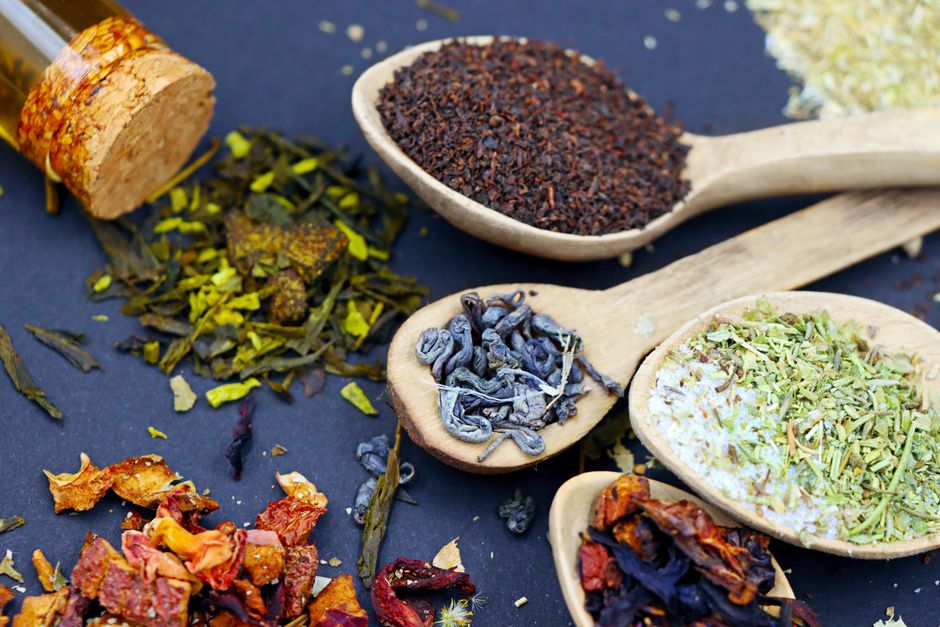
If you are searching for a stronger caffeine kick from your tea, black tea is the clear winner, typically containing the most caffeine per cup. A standard 8-ounce cup of black tea generally contains between 40 and 70 milligrams of caffeine. Green tea and white tea fall in the middle range, while herbal teas are naturally caffeine-free. This comparison breaks down the caffeine content of popular teas, what affects the numbers, and how to choose the right brew for your needs.
Which Teas Have The Most Caffeine?
Black tea has the highest caffeine content of the traditional teas. The exact amount depends on the specific leaf and how it is brewed, but the range is consistently higher than other tea types.
Here is the general ranking from most to least caffeine for a standard 8-ounce cup:
- Black tea: 40–70 mg
- Oolong tea: 30–50 mg
- Green tea: 20–45 mg
- White tea: 15–30 mg
- Herbal tea: 0 mg
These numbers come from USDA food data. They are averages, not guarantees. A specific black tea could have less caffeine than a strong green tea, depending on the leaves used and the brewing process.
Why Does Caffeine Content Vary So Much?
Several factors determine how much caffeine ends up in your cup. The plant species matters, but it is not the only thing that matters.
Tea plant variety: Most tea comes from the Camellia sinensis plant. There are two main varieties. Camellia sinensis assamica naturally contains more caffeine than Camellia sinensis sinensis. Teas grown in India and Africa often use the assamica variety, which is one reason they tend to be stronger.
Leaf age and position: The youngest leaves and buds of the tea plant contain the most caffeine. The plant produces caffeine as a natural pesticide to protect new growth. Older, tougher leaves have less. White tea is made from young buds, which sounds like it should have the most caffeine, but the brewing method changes the final result.
Processing method: Black tea is fully oxidized, which concentrates the caffeine in the dried leaf. Green tea is steamed or pan-fired to stop oxidation early. Oolong sits in between. Oxidation does not create caffeine, but it does change the leaf structure and how much caffeine can be extracted during brewing.
Does Brewing Time Change Caffeine Levels?
Yes. Brewing time is one of the most important factors in caffeine content, and it is entirely under your control.
Caffeine is water-soluble and extracts quickly. Most of the caffeine in a tea leaf is released into the water within the first minute or two of steeping. Steeping longer does not add much extra caffeine, but it does increase bitterness from other compounds.
The temperature of the water also matters. Hotter water extracts caffeine faster. Black tea is typically brewed with water at a rolling boil, around 212°F. Green tea is brewed at cooler temperatures, around 160–180°F. The cooler water pulls less caffeine from the leaves, which is another reason green tea usually has less.
If you want a stronger caffeine effect from green tea, you can brew it hotter and longer. The flavor will be more bitter, but the caffeine will increase. If you want a milder black tea, steep it for less time and use slightly cooler water.



What About Matcha and Yerba Mate?
Matcha deserves special attention because it breaks the normal rules. Matcha is a powdered green tea. When you drink it, you consume the entire leaf rather than just the brewed water.
Because you ingest the whole leaf, matcha can contain significantly more caffeine than steeped green tea. A standard serving of matcha, about one teaspoon of powder, can contain anywhere from 30 to 70 milligrams of caffeine. Some sources report levels comparable to a cup of coffee. The exact amount depends on the quality of the matcha and the amount of powder used.
Yerba mate is a different plant entirely. It comes from the Ilex paraguariensis plant in South America. It is traditionally consumed as a strong infusion and contains caffeine, typically around 30 to 50 milligrams per cup. Some people find the caffeine effect from yerba mate feels different because the plant also contains other stimulant compounds. The evidence for this difference is limited, but the caffeine content itself is well documented.
How Does Tea Compare to Coffee?
Coffee generally contains more caffeine than tea. A standard 8-ounce cup of brewed coffee contains about 80 to 100 milligrams of caffeine. That is roughly double the amount in a typical cup of black tea.
However, the comparison gets complicated when you consider serving sizes. Many people drink 12- or 16-ounce cups of tea. A large tea can deliver as much caffeine as a small coffee.
Espresso is more concentrated than drip coffee. A single 1-ounce shot of espresso contains about 63 milligrams of caffeine. A small latte made with one shot has less caffeine than an 8-ounce cup of drip coffee, even though it tastes stronger.
If you are sensitive to caffeine, tea may be a better choice than coffee. The lower caffeine content means you can enjoy a cup without the jittery feeling some people get from coffee. If you are using tea to replace coffee for a morning wake-up, you may need a strong black tea or a larger serving to get a similar effect.
Is Caffeine in Tea the Same as Caffeine in Coffee?
The chemical is identical. Caffeine is caffeine, regardless of the source. Your body processes it the same way.
However, tea contains L-theanine, an amino acid that is not present in coffee in significant amounts. Some research suggests that L-theanine works with caffeine to promote calm alertness rather than the jittery energy coffee can produce. The evidence for this interaction is still emerging, and the effect varies from person to person.
This combination may explain why some people feel tea gives them a smoother energy boost. It is not because the caffeine is different. It is because the caffeine is accompanied by other compounds that may modify how it feels.
What About Decaffeinated Tea?
Decaffeinated tea is not caffeine-free. The decaffeination process removes most of the caffeine, but not all of it.
Most decaffeinated teas contain about 2 to 5 milligrams of caffeine per cup. That is a small amount, but it is not zero. If you are strictly avoiding caffeine for medical reasons, you should know that decaf tea still contains trace amounts.
Herbal teas are the only truly caffeine-free option. They are made from dried fruits, flowers, spices, or herbs rather than leaves from the Camellia sinensis plant. Common examples include chamomile, peppermint, and rooibos. These contain no caffeine at all.
How to Choose the Right Tea for Your Caffeine Needs
If you want the most caffeine, choose black tea or matcha. Brew with hot water and steep for at least three minutes. The longer the steep, the more caffeine you will get, although most of it extracts early.
If you want a moderate amount, oolong or green tea are good options. Use the recommended water temperature and steep for two to three minutes.
If you want to avoid caffeine entirely, choose herbal teas. Check the label to make sure the tea is not blended with regular tea leaves. Some flavored teas combine herbal ingredients with black or green tea.
Pregnant women and people with certain medical conditions may need to limit caffeine intake. Most health organizations recommend that pregnant women keep caffeine consumption under 200 milligrams per day. That would allow for about three cups of black tea, but you should discuss this with your healthcare provider.
Frequently Asked Questions
Which tea has the most caffeine per cup?
Black tea has the most caffeine among traditional teas, with 40 to 70 milligrams per 8-ounce cup. Matcha can match or exceed black tea because you consume the entire powdered leaf.
Is green tea or black tea higher in caffeine?
Black tea is higher in caffeine than green tea. Black tea contains about 40 to 70 milligrams per cup, while green tea contains about 20 to 45 milligrams.
Does steeping tea longer increase caffeine?
Yes, but only slightly. Most caffeine extracts within the first one to two minutes of steeping, and longer steeping adds little extra caffeine while increasing bitterness.
Are herbal teas completely caffeine-free?
Yes, herbal teas made only from fruits, flowers, spices, or herbs contain no caffeine. However, some flavored teas blend herbal ingredients with real tea leaves, so check the label.
