
Being stuck at 2 centimeters dilated can feel frustrating and endless, especially when you are ready to meet your baby. The honest truth is that you cannot force your body into active labor before it is ready, but there are several natural methods that may help encourage progress. Walking, nipple stimulation, and certain positions have the most evidence behind them for helping move from early labor at 2 cm to more active dilation.
What Does 2 Centimeters Dilated Actually Mean for Labor Progress?
Two centimeters is still considered early labor or the latent phase. The American College of Obstetricians and Gynecologists defines active labor as starting around 6 centimeters of dilation. Being at 2 cm means your cervix has begun to open but there is still a long way to go.
Many women spend hours or even days at 2 cm without much change. This is normal and does not mean something is wrong. The cervix needs to reach about 10 cm before pushing begins, so 2 cm represents only about 20 percent of the total dilation needed.
What matters more than the number is whether contractions are becoming stronger, longer, and closer together. If your contractions are irregular or mild at 2 cm, your body is likely still in the early warm-up phase. This phase can last a long time and natural methods may help it progress, but patience is also part of the process.
Does Walking or Movement Help Progress Labor at 2 Centimeters?
Walking is one of the most commonly recommended natural methods for progressing labor, and the evidence mostly supports it. A study published in the journal Midwifery found that women who walked during early labor had slightly shorter labors than those who stayed in bed. The difference was modest but real.
Gravity and movement help the baby descend and put pressure on the cervix. When you walk, your pelvis shifts and rocks, which can help the baby find a better position for dilation. Even gentle swaying or slow dancing in your room can have a similar effect.
What many people do not realize is that walking does not need to be fast or intense. Slow, steady movement for 20 to 30 minutes at a time, followed by rest, is more effective than pushing yourself to exhaustion. If your contractions are already regular but mild, walking between them is safe and often helpful.
Stop walking if your contractions become very strong or if you feel any dizziness, bleeding, or fluid leaking. Listen to your body first.
Can Nipple Stimulation Really Help Progress Labor at 2 Centimeters?
Nipple stimulation has some of the strongest evidence among natural methods for progressing labor. Research published in the Cochrane Database of Systematic Reviews found that nipple stimulation increased the likelihood of going into active labor within 72 hours compared to no stimulation.
The science is straightforward. Nipple stimulation triggers the release of oxytocin, the same hormone that drives contractions. Hospital induction often uses synthetic oxytocin called Pitocin. Nipple stimulation is the natural version of the same mechanism.
For safety, nipple stimulation should be done gently and in short bursts. A common approach is to stimulate one nipple for 15 minutes, then rest for 15 minutes, and repeat. Using your fingers or a warm cloth works fine. Stop if contractions become too strong or too frequent.
This method is not recommended if you have a high-risk pregnancy, previous cesarean scar, or any condition where strong contractions could be dangerous. Check with your midwife or doctor before trying it.





What Positions and Movements Help the Baby Engage at 2 Centimeters?
Position matters more than most people realize when trying to progress labor from 2 cm. Lying on your back works against gravity and can slow progress. Upright and forward-leaning positions tend to help the baby rotate into the best position for dilation.
Here are positions that may help based on what labor and delivery nurses and midwives commonly recommend:
- Sitting on a birth ball and gently rocking your hips side to side
- Leaning forward over a bed or counter during contractions
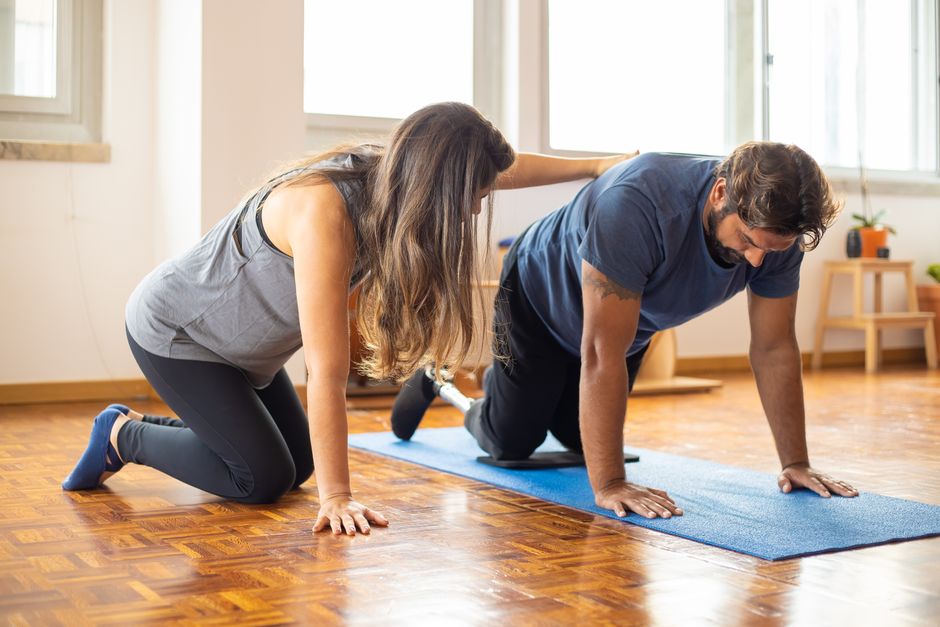
- Kneeling on all fours and doing slow pelvic tilts
- Sitting on the toilet with your knees wide apart — this relaxes the pelvic floor naturally
- Side-lying with a pillow between your knees if you need to rest but want to keep pressure off your back
Changing positions every 20 to 30 minutes can help prevent your labor from stalling. The goal is to keep your pelvis open and mobile. If a position feels uncomfortable, switch to another one. There is no single magic position that works for everyone.
Some women find that lunging or doing deep squats during contractions helps. These positions open the pelvis asymmetrically, which can help a baby who is in a posterior position rotate into a better one for dilation.
What Does Research on Natural Induction Methods Show at 2 Centimeters?
Research on natural methods for progressing early labor is mixed. Some studies show small benefits. Others show no significant difference compared to doing nothing. The honest answer is that no natural method guarantees progress from 2 cm to active labor.
Red raspberry leaf tea is widely claimed to help tone the uterus and prepare it for labor. However, research published in the Journal of Midwifery and Women’s Health found no evidence that it shortens labor or helps dilation. Some women report feeling more contractions after drinking it, but this is anecdotal.
Spicy food and castor oil are common folk remedies with very different safety profiles. Spicy food has no evidence behind it for progressing labor. Castor oil does have some evidence — a study in Alternative Therapies in Health and Medicine found it helped some women go into labor within 24 hours — but it often causes nausea, vomiting, and diarrhea. Many healthcare providers advise against it.
Sexual activity, including intercourse and orgasm, is sometimes recommended because semen contains prostaglandins that can help ripen the cervix. Some studies suggest a modest benefit, but the evidence is not strong. If your water has broken, intercourse is not safe due to infection risk.
| Method | Evidence Level | Safety Notes |
|---|---|---|
| Walking | Moderate — may shorten early labor slightly | Safe for low-risk pregnancies |
| Nipple stimulation | Strongest among natural methods | Avoid with high-risk pregnancy or prior C-section |
| Sexual activity | Weak to moderate | Not safe after water breaks |
| Red raspberry leaf tea | No strong evidence | Generally safe in moderation |
| Castor oil | Some evidence but poor side effect profile | Often causes nausea and diarrhea |
| Spicy food | No evidence | Safe but may cause heartburn |
What Should You Avoid When Trying to Progress Labor at 2 Centimeters?
Some common suggestions for progressing labor are not just ineffective — they can be risky. Dehydration is one of the biggest hidden problems. If you stop drinking water because you are busy walking or trying things, your contractions may become weaker. Dehydration can stall labor.
Exhaustion is another issue. Early labor at 2 cm can last for many hours or even days. If you spend all your energy trying every natural method, you may have nothing left for active labor and pushing. Rest is not giving up. Rest is part of progress.
Avoid any method that causes strong pain or excessive cramping. Some herbs and supplements sold online for labor induction are not regulated and may contain ingredients that cause dangerous contractions. As of 2026, there is no clinical evidence that most of these products are safe or effective.
Also avoid checking your own cervix repeatedly. Dilation can change slowly, and checking too often can introduce bacteria and increase infection risk. Let your healthcare provider check when they need to.
When Should You Call Your Provider at 2 Centimeters?
Being at 2 cm does not mean you need to go to the hospital immediately unless your provider told you otherwise. Most providers recommend staying home during early labor until contractions are 4 to 5 minutes apart, lasting about 1 minute each, for at least 1 hour.
Call your provider if your water breaks, even if you are not having strong contractions. Also call if you notice bright red bleeding, a decrease in baby movements, or if your contractions feel very intense and you cannot cope at home. Trust your instincts. If something feels wrong, call.
Some women are told to come in for a check and then sent home because they are still at 2 cm. This is common and not a failure. Going home and resting in your own environment is often the best thing for progress.
Frequently Asked Questions
Can you really progress labor from 2 cm without medical help?
Yes, many women do progress naturally from 2 cm with movement, position changes, and time. No method guarantees progress, but natural approaches can support the process.
How long can you stay at 2 centimeters dilated?
You can stay at 2 cm for hours or even days during early labor. This is normal and does not mean anything is wrong with you or your baby.
Is it safe to try nipple stimulation at 2 cm?
Nipple stimulation is generally safe for low-risk pregnancies when done gently and in short intervals. Avoid it if you have a high-risk pregnancy or prior cesarean scar without your provider’s approval.
Does walking help when you are only 2 cm dilated?
Walking is one of the most recommended natural methods at 2 cm. It uses gravity and movement to encourage the baby to descend and put pressure on the cervix.
