
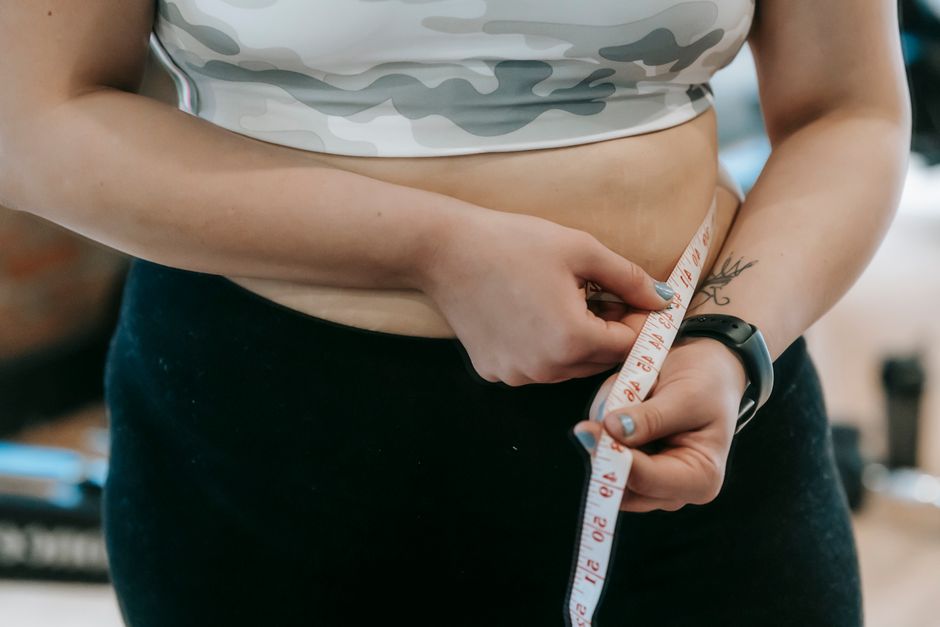
Spot reduction is one of the most persistent myths in fitness. Doing crunches, planks, or sit-ups will strengthen your abdominal muscles, but it will not burn the fat sitting on top of them. Research consistently shows that exercising a specific body part does not preferentially burn fat from that area. The only way to reduce belly fat is to lower overall body fat through a combination of diet, cardiovascular exercise, and full-body strength training.
Why Can’t You Target Belly Fat With Abs Exercises?
Your body does not work that way. When you exercise, your body releases stored fat from fat cells throughout your entire body, not just from the muscles you are working. This process is controlled by hormones and the nervous system, and it does not respond to which muscle group is contracting.
Studies dating back decades have tested this idea directly. Researchers have had participants train one limb or one side of the body intensively and then measured fat loss. The trained side did not lose more fat than the untrained side. The fat came off proportionally from wherever the body chose to mobilize it.
Where you lose fat first is largely determined by genetics, sex, and hormones. For many men, the abdomen is one of the first places fat accumulates and one of the last places it leaves. For many women, especially after menopause, belly fat becomes more stubborn as estrogen levels decline. No amount of crunches changes that pattern.
What Do Ab Exercises Actually Do?
They build and strengthen the muscles underneath the fat. That is a real benefit, just not the one most people are looking for.
Your core muscles — the rectus abdominis, obliques, transverse abdominis, and deeper stabilizers — support your spine, help you bend and twist, and contribute to balance and posture. A stronger core can reduce the risk of lower back pain and improve how well you move during other activities. These are meaningful health benefits.
What ab exercises do not do is burn a large number of calories. A set of crunches burns very few calories compared to a brisk walk, a bike ride, or a session of squats and lunges. Building muscle in your core does raise your resting metabolism slightly, but the effect is small and gradual. Muscle does burn more calories at rest than fat, but the difference is modest and not enough to drive noticeable fat loss on its own.
Visible abs are made in the kitchen far more than on the gym floor. That phrase gets repeated often, but the physiology behind it is sound. You cannot see the muscle if there is a layer of fat covering it.
Can You Reduce Belly Fat at All?
Yes, but through overall fat loss, not targeted exercise. When you create a calorie deficit — burning more energy than you take in — your body pulls from fat stores across your body. Over time, belly fat decreases along with fat everywhere else.
The most effective approach combines three things:
- A modest calorie deficit. Cutting calories too aggressively tends to backfire because it is hard to sustain and can lead to muscle loss. A slow, steady deficit supports fat loss while preserving lean mass.
- Regular cardiovascular exercise. Activities like walking, running, swimming, or cycling burn calories and improve cardiovascular health. Some evidence suggests that moderate-intensity cardio done consistently is particularly effective for reducing visceral fat — the deep fat around your organs that carries the greatest health risks.
- Full-body strength training. Lifting weights or doing bodyweight resistance exercises helps preserve muscle mass while you lose fat. More muscle means a slightly higher resting metabolic rate, which helps over the long term.
Diet quality matters too. Diets high in added sugar and refined carbohydrates are associated with greater accumulation of belly fat. Diets rich in fiber, protein, and healthy fats tend to support better body composition. This is not about any single food — it is about the overall pattern.





Which Type of Exercise Is Best for Belly Fat?
There is no single best exercise. The best one is the one you will do consistently. That said, some forms of exercise have more evidence behind them for reducing visceral fat specifically.
Aerobic exercise has been studied more than most other interventions for visceral fat reduction. Research published in peer-reviewed journals has found that regular moderate-to-vigorous aerobic activity reduces visceral fat even without significant weight loss. This is important because visceral fat is the type most strongly linked to heart disease, type 2 diabetes, and metabolic syndrome.
High-intensity interval training has gained popularity, and some studies suggest it can reduce belly fat in less time than steady-state cardio. However, the evidence is mixed. Some trials show comparable results between HIIT and moderate-intensity continuous training when total energy expenditure is matched. HIIT is not magic — it is simply a time-efficient way to burn calories for some people.
Strength training alone tends to produce less fat loss than aerobic exercise, but it helps preserve muscle and improves insulin sensitivity. The combination of cardio and strength training appears to work better than either alone for most people.
What about spot reduction devices? Ab belts, waist trainers, and similar products claim to melt belly fat. No clinical evidence supports these claims. Some may temporarily change your appearance by compressing tissue or causing water loss, but they do not reduce fat.
Does Belly Fat Respond Differently Than Other Fat?
Visceral fat — the fat stored deep inside the abdomen around your organs — behaves differently from subcutaneous fat, which sits just under the skin. Visceral fat is more metabolically active and more responsive to exercise and diet changes. This is one of the few pieces of good news in this area.
When people lose weight, visceral fat tends to come off earlier and more readily than subcutaneous fat. Subcutaneous belly fat — the kind you can pinch — is often more stubborn, especially in men and postmenopausal women. This is why some people lose weight overall but still feel like their belly looks the same.
You cannot choose which type of fat your body burns first. But if you keep at it, both types will decrease over time.
What About People Who Already Have Visible Abs?
They have low enough body fat that their abdominal muscles show through. They are not doing anything fundamentally different — they have simply reached a body fat percentage where the muscle becomes visible. For most men, that is somewhere around 10-14% body fat. For most women, it is around 18-22%. These are general ranges and vary by individual.
Getting to that point requires sustained attention to diet and training. It is not a quick process, and for many people it is not a realistic or necessary goal. Health benefits from reducing belly fat begin well before you can see your abs.
What Actually Works for Reducing Belly Fat?
The same things that work for fat loss in general. There is no shortcut specific to the belly.
- Eat in a modest calorie deficit most days.
- Prioritize protein, fiber, and whole foods over processed foods and added sugars.
- Move your body regularly — aim for a mix of cardio and strength training across the week.
- Get enough sleep. Poor sleep is associated with higher levels of cortisol and increased belly fat storage.
- Manage stress. Chronic stress has similar hormonal effects.
- Be patient. Fat loss takes time, and belly fat is often the last to go.
Ab exercises still belong in your routine. A strong core supports everything else you do. Just do not expect them to flatten your stomach on their own.
Frequently Asked Questions
Can doing crunches every day reduce belly fat?
No. Crunches strengthen your abdominal muscles but do not burn fat from your belly. Fat loss happens across your whole body when you are in a calorie deficit.
What is the fastest way to lose belly fat?
There is no fast way that is also safe and sustainable. A consistent calorie deficit combined with regular cardio and strength training is the approach with the most evidence behind it.
Do waist trainers or ab belts burn belly fat?
No. No clinical evidence supports the claim that these devices reduce fat. Any change in appearance is temporary and due to compression or water loss.
Can you lose belly fat without exercise?
It is possible to lose some fat through diet alone, but exercise — especially aerobic exercise — appears to be particularly effective for reducing visceral fat. Combining both tends to work better than either alone.
