
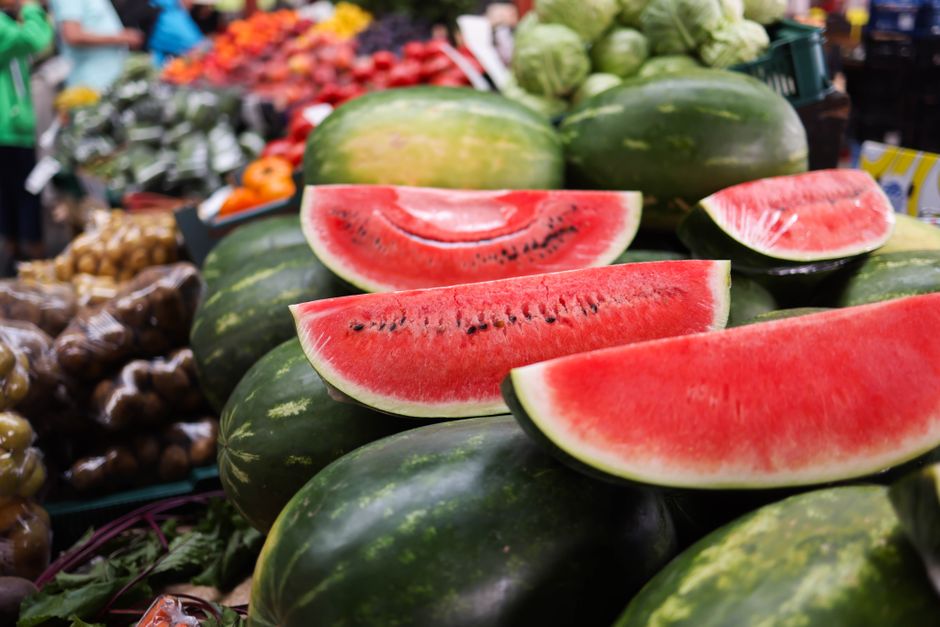
No, watermelon and salt do not reduce belly fat. There is no clinical evidence that eating watermelon with salt burns fat, targets the belly, or changes how your body stores fat. The idea likely spread because both ingredients get tied to hydration and electrolytes, which are real topics — but neither one causes fat loss.
What watermelon does provide is water, fiber, and a modest amount of natural sugar. Salt provides sodium, an essential mineral. Neither creates a calorie deficit, which is the only reliable way to lose fat. This article explains why the claim misses, what actually drives belly fat, and what the evidence supports instead.
Where did the watermelon and salt idea come from?
The claim appears to be a mashup of two separate ideas that each have a grain of truth. Watermelon is about 92 percent water, so it is hydrating. Salt contains sodium, an electrolyte your body needs. Someone combined those facts into a fat-burning theory that the research does not support.
There is also a persistent myth that salt “flushes” or “melts” fat. It does not. Sodium regulates fluid balance and nerve and muscle function. Eating more salt makes your body hold more water, which can make you look and feel puffier — the opposite of the flat stomach people are chasing.
Some social posts claim salt boosts metabolism. There is no good evidence for that in any meaningful way. Your resting metabolic rate is driven mostly by body size, muscle mass, age, and genetics, not by how much salt you sprinkle on fruit.
Does watermelon burn belly fat?
Watermelon does not burn fat. No single food does. Fat loss happens when you consistently take in fewer calories than you use, and your body draws on stored fat for energy. Watermelon can be part of that process because it is low in calories and high in water, which helps with fullness.
One cup of diced watermelon contains roughly 46 calories, according to USDA data. That is genuinely low. It also supplies vitamin C, vitamin A, and the antioxidant lycopene. The amino acid citrulline in watermelon has been studied for blood flow and exercise performance, but the amounts in the fruit are small and the findings are mixed. Nothing there translates into spot reduction of belly fat.
Here is the part people miss. Watermelon is mostly water, so it fills you up without many calories — but it does not keep you full for long. Eat a large bowl on an empty stomach and you may be hungry again soon. Pair it with protein or fiber if you want it to hold you over.
Can salt help you lose belly fat?
Salt does not help you lose belly fat, and too much of it can work against how you look and feel. Excess sodium causes your body to retain water, which can add temporary puffiness and scale weight. That is water, not fat, but it can be discouraging.
Sodium is still essential. It helps control blood pressure and fluid balance and supports nerve and muscle function. The concern is quantity. Federal dietary guidelines recommend limiting sodium to less than 2,300 milligrams per day for most adults, and the American Heart Association suggests an ideal limit closer to 1,500 milligrams per day, especially for people with high blood pressure. Most Americans eat well above these levels, largely from processed and restaurant food rather than the salt shaker.
Adding salt to watermelon does not change any of this. It does not speed metabolism, block fat absorption, or target abdominal fat. If anything, it adds sodium to a food that is naturally very low in it.





Why belly fat is different from other fat
Belly fat is not just a cosmetic issue, and it is not the same as fat stored on your hips or thighs. Visceral fat sits deep inside the abdomen and wraps around organs like the liver and intestines. It is more metabolically active and more strongly linked to health risks than fat stored just under the skin.
This is why waist size matters clinically. A waist measurement above 40 inches for men and above 35 inches for women is generally considered a marker of higher health risk, according to established guidance. Visceral fat is associated with higher risk of type 2 diabetes, heart disease, and other conditions.
Belly fat accumulates from a mix of factors — long-term calorie surplus, genetics, hormones, sleep, stress, and age. It is not caused by a lack of watermelon or salt, and it is not fixed by adding them.
What actually reduces belly fat?
A sustained calorie deficit is the foundation. You need to eat fewer calories than you burn over time, and the source of those calories matters less than the total. That is well established across decades of research.
Beyond calories, several factors consistently show up in the evidence:
- Protein and fiber. Both increase fullness and help preserve muscle during weight loss. Aim for protein at most meals and fiber from vegetables, fruit, beans, and whole grains.
- Strength training. Building muscle raises your resting calorie burn slightly and protects lean mass while you lose fat. It does not spot-reduce the belly, but it changes body composition.
- Aerobic activity. Regular cardio supports fat loss and heart health. The amount that helps varies by person.
- Sleep. Short sleep is linked to higher appetite and weight gain in observational studies. Getting enough is a reasonable goal even if the exact mechanism is debated.
- Managing stress and alcohol. Both are associated with abdominal weight gain in some research, though the relationships are complex.
No food, spice, or combination of ingredients melts belly fat on its own. Anyone promising that is selling something the evidence does not back.
Is watermelon with salt ever a good idea?
Watermelon with a pinch of salt is a perfectly fine snack. It is a traditional combination in many cultures, and salt can make the fruit taste sweeter by contrast. If you enjoy it, there is no harm in eating it in normal amounts.
It is simply not a fat-loss strategy. If you are watching your sodium because of high blood pressure or heart conditions, adding salt to fruit is worth thinking about, since it adds to your daily total. Talk with your clinician about your sodium target if you have a related condition.
Watermelon is a healthy food. Salt is an essential nutrient in the right amounts. Neither one is a belly-fat remedy, and pairing them does not create one.
What about the “detox” and “flush” claims?
Your body already has a detox system — your liver and kidneys — and it works continuously without help from specific foods. There is no evidence that watermelon, salt, or any food combination “flushes” fat or toxins from the body.
Claims about flushing often rely on the fact that you might urinate more or feel lighter after eating watery foods. That is temporary water loss, not fat loss. The fat is still there.
Be cautious with any product or routine that promises rapid belly fat loss. Real fat loss is gradual, and the pace varies from person to person based on starting point, calorie intake, activity, and genetics.
Frequently Asked Questions
Does eating watermelon with salt reduce belly fat?
No. There is no clinical evidence that watermelon and salt reduce belly fat, and neither ingredient causes fat loss on its own.
Does salt burn fat or boost metabolism?
No. Salt does not burn fat or meaningfully boost metabolism, and too much sodium can cause temporary water retention that makes you look puffier.
Is watermelon good for weight loss at all?
Watermelon can fit into a weight-loss diet because it is low in calories and high in water, which can help with fullness. It does not target belly fat specifically.
What is the fastest way to reduce belly fat?
There is no fast fix. A sustained calorie deficit, adequate protein and fiber, regular activity including strength training, and enough sleep are the approaches best supported by evidence.
