
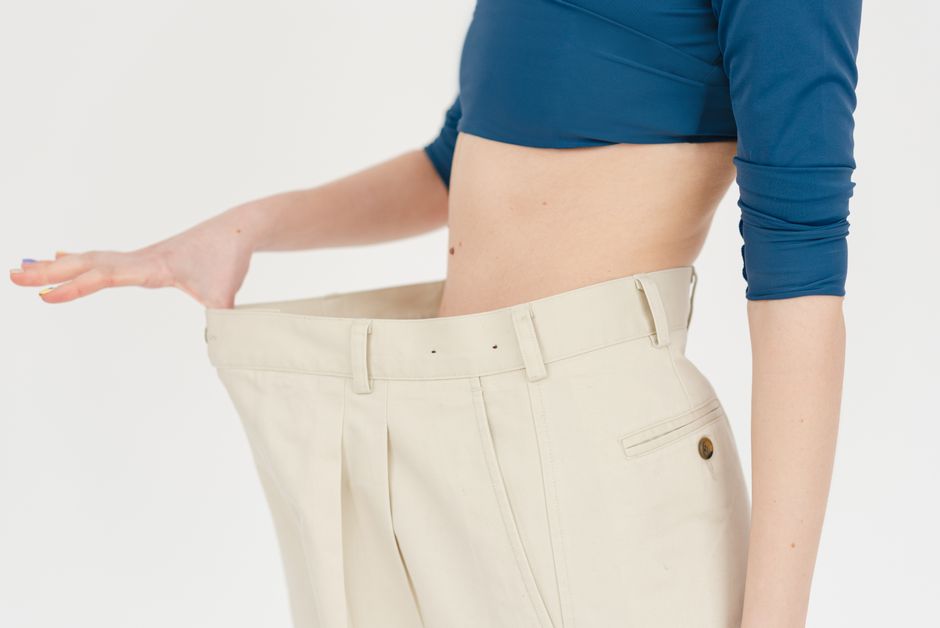
Walking can help you reduce belly fat, but not in the way most people hope. It works slowly, it works best alongside changes to what you eat, and it cannot target fat on your stomach specifically. No exercise can. What walking does do is burn calories, improve how your body handles blood sugar, and build a routine you can actually stick with. That combination matters more for belly fat than any single workout.
Can Walking Really Reduce Belly Fat?
Yes, with realistic expectations. Walking is a form of aerobic exercise, and aerobic exercise reduces total body fat when it creates a consistent energy deficit. Belly fat, including the deeper visceral fat around your organs, tends to respond to that deficit along with fat stored elsewhere.
Here is the part people miss. You cannot choose where your body burns fat from. The idea of spot reduction — doing crunches for a flatter stomach or walking to melt only your waistline — has been tested and does not hold up. Fat is released from stores throughout the body, and where you lose it first is largely determined by genetics and hormones, not by which muscle you move.
What walking can do is shrink overall fat stores. When total fat goes down, belly fat usually goes down with it. For many people, visceral fat — the fat packed around the abdominal organs — is actually more responsive to regular aerobic activity than the fat just under the skin. That is a meaningful distinction, because visceral fat is the type more closely tied to heart disease and type 2 diabetes risk.
How Much Do You Need to Walk to See a Difference?
There is no single number that works for everyone, and anyone who gives you one is guessing. What the evidence does support is that more total activity, sustained over months, produces more fat loss than occasional bursts.
General physical activity guidelines for adults recommend at least 150 minutes of moderate-intensity aerobic activity per week, which walking briskly fits into. That is a reasonable starting target, not a magic threshold. Some people will need more total activity, combined with dietary changes, to see noticeable fat loss. Others will see changes at that level.
Intensity matters too. A brisk walk where you are breathing harder but can still hold a conversation counts as moderate intensity. A slow stroll with frequent stops is gentler on the joints but burns fewer calories per minute.
If you are starting from very little activity, the first goal is not fat loss. It is consistency. A 20-minute walk four days a week that you actually do beats a 60-minute plan you abandon in two weeks.
Why Walking Alone Often Isn’t Enough
This is where honesty matters. Walking burns calories, but the human body is efficient and adaptive. A walk that feels challenging at first becomes easier, and the calorie burn at a given pace tends to drop as your fitness improves.
More importantly, it is very hard to out-walk a diet that consistently provides more energy than you use. A single sweetened coffee drink or a fast-food meal can contain more calories than an hour of walking burns. That is not a reason to skip the walk. It is a reason to be realistic about what the walk can accomplish on its own.
Most research on exercise and fat loss points to the same conclusion: physical activity helps, but dietary change usually drives the larger share of the result. Walking and eating differently work better together than either does alone.
Sleep and stress are part of this picture too. Ongoing poor sleep and chronic stress are associated with higher levels of the hormone cortisol, and sustained high cortisol is linked to fat storage in the abdominal area. Walking can help with stress. It cannot fix a sleep problem you ignore.





Does Walking Target Belly Fat Specifically?
No. This is worth stating plainly because so much marketing implies otherwise. No form of exercise selectively removes fat from the abdomen. Abdominal exercises strengthen the muscles underneath the fat, but they do not burn the fat sitting on top of them.
What walking does for the belly is indirect but real. By reducing total body fat, it reduces abdominal fat as part of that process. By improving insulin sensitivity — how well your cells respond to insulin — regular aerobic activity may also work against the metabolic conditions that encourage visceral fat accumulation in the first place.
So the honest framing is this: walking helps your belly by helping your whole body, not by pointing at your stomach.
How Long Before You Notice a Change?
This is the question that trips people up, and the honest answer is that it varies widely and takes longer than most people expect. Fat loss is not linear. The body does not shed fat at a steady rate, and early changes on the scale often reflect water shifts rather than fat.
Visible changes in the waistline typically take weeks to months of consistent activity and dietary change, not days. Some people notice improved energy, mood, and sleep within the first couple of weeks, well before any change in appearance. Those early wins are real and worth paying attention to, because they are what keep the habit going.
If you are walking regularly and seeing nothing after a couple of months, the usual culprits are diet, portion sizes, or total activity level — not a failure of walking itself.
How to Make Walking Work Better for Belly Fat
You do not need special equipment or a gym. You need a plan you will follow and a few adjustments that increase the return on your time.
- Build up gradually. Add time or pace in small steps rather than jumping to an intense routine you cannot maintain.
- Add hills or intervals. Short bursts at a faster pace or on an incline raise the intensity and the calorie burn for the same amount of time.
- Pair it with strength training. Resistance exercise helps preserve muscle while you lose fat, and muscle supports a higher resting metabolism. Some clinicians consider this combination more effective for body composition than cardio alone, though results vary by person.
- Watch what you drink. Sugary drinks and alcohol add calories quickly and are easy to overlook.
- Protect your sleep. Poor sleep works against fat loss in ways that exercise cannot fully offset.
None of this is dramatic. That is the point. Belly fat responds to steady, unglamorous habits repeated over months, not to a single change.
When Walking Isn’t the Right First Step
For some people, walking is not the best starting point, and pretending otherwise does not help. If you have joint problems, heart conditions, or other medical issues, talk to a clinician before starting a new routine. The same applies if you have been largely inactive for a long time.
If you have a significant amount of weight to lose, or if you have conditions like type 2 diabetes or high blood pressure, walking is still valuable but is unlikely to be enough on its own. In those cases, working with a healthcare provider on a broader plan — including diet, and sometimes medication — is the more realistic path.
And if your belly fat has increased noticeably over a short period without changes to your habits, that is worth a medical conversation. Rapid changes in abdominal fat can sometimes signal an underlying issue that exercise will not address.
Frequently Asked Questions
Can I reduce belly fat by walking alone?
Walking alone can reduce total body fat, but it usually works best combined with dietary changes. Most evidence suggests diet drives the larger share of fat loss, with exercise playing a supporting role.
How long do I need to walk each day to lose belly fat?
General guidelines recommend at least 150 minutes of moderate-intensity activity per week, which many people split into about 30 minutes on most days. There is no single daily number that guarantees fat loss, and individual results vary.
Does walking target stomach fat specifically?
No. No exercise can remove fat from a specific area of the body. Walking reduces overall fat, and belly fat tends to decrease as part of that process.
Is walking or running better for belly fat?
Running burns more calories per minute, but walking is easier to sustain and easier on the joints. The best option is the one you will do consistently over months, since consistency matters more than intensity for long-term fat loss.
