
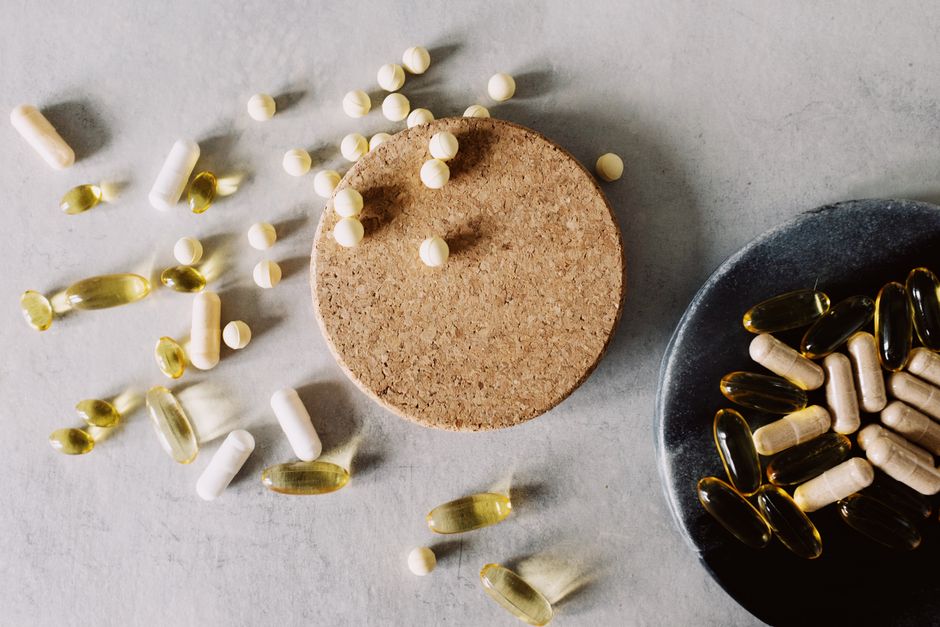
Zinc tablets can help some people with acne, but they are not a cure and they do not work for everyone. The strongest evidence is for zinc taken by mouth, not zinc creams or serums. Most studies show a modest benefit at best, and the effect is smaller than what standard prescription treatments typically produce.
If you have mild inflammatory acne and want to try something over the counter, zinc has a reasonable evidence base compared with most supplements sold for skin. If you have moderate to severe acne, or acne that scars, zinc alone is unlikely to be enough.
What Does the Research Actually Show About Zinc and Acne?
Oral zinc has been studied for acne for decades, and the results are consistently modest rather than dramatic. Several small randomized trials have found that people taking zinc supplements had fewer inflammatory lesions than those taking a placebo. Other trials found no meaningful difference.
The studies share common weaknesses. They tend to be small, often involving fewer than 100 people. They use different forms of zinc at different doses. They measure improvement in different ways. That makes it hard to combine results into one clear answer.
When researchers have pooled these trials in reviews, the overall picture is that zinc probably produces a small reduction in inflammatory acne compared with placebo. The evidence quality is generally rated low to moderate, largely because of the small study sizes and inconsistent methods.
One point worth understanding: zinc is not thought to work the way antibiotics or retinoids work. It appears to reduce inflammation and may modestly affect how the immune system responds in the skin. It also has some effect on Cutibacterium acnes, the bacterium involved in acne, though this effect is weaker than that of prescription antibiotics.
How Does Zinc Affect Acne Mechanically?
Acne develops when hair follicles get blocked by oil and dead skin cells, bacteria multiply in the blocked follicle, and the immune system responds with inflammation. That inflammation is what produces the red, tender bumps most people want to get rid of.
Zinc appears to act mainly on that inflammatory step. It may reduce the production of certain inflammatory signaling molecules in the skin. Some laboratory research also suggests zinc can interfere with bacterial growth, though the concentrations needed to do this in a lab dish are not necessarily reached in human skin from an oral supplement.
This is important context. A mechanism that looks promising in a petri dish does not automatically translate into clinical benefit in people. Zinc’s anti-inflammatory activity is real, but its measurable effect on acne in human trials is small.
What Forms of Zinc Are Used and Do They Differ?
Most acne research has used zinc gluconate or zinc sulfate. These are common, inexpensive forms found in drugstores and pharmacies. Zinc picolinate and zinc citrate are also sold, and they are generally absorbed somewhat better, but they have not been studied for acne to the same degree.
There is no strong evidence that any one form is clearly superior for acne specifically. What matters more is the total amount of elemental zinc, since different forms contain different percentages of actual zinc.
Zinc creams, lotions, and serums are a different category. They are widely marketed for acne, but the evidence supporting topical zinc for acne treatment is much thinner than for oral zinc. Topical zinc oxide is well established as a skin protectant and sunscreen ingredient, but that is not the same as treating acne.



What Dose Is Used in Studies and Is It Safe?
Doses in acne research have typically ranged from about 30 mg to 90 mg of elemental zinc per day. That is well above the recommended dietary allowance, which for adults is 8 mg per day for women and 11 mg per day for men.
This is where caution matters. The tolerable upper intake level for zinc in adults is 40 mg per day from all sources combined, according to the National Institutes of Health. Doses used in acne studies often exceed that level.
Taking zinc above the upper limit for extended periods carries real risks:
- Copper deficiency, because zinc and copper compete for absorption in the gut. This can cause anemia and nerve damage over time.
- Nausea, vomiting, and stomach pain, especially when zinc is taken on an empty stomach.
- Headaches and a metallic taste.
- Reduced immune function with long-term high doses, which is the opposite of what many people expect.
- Interactions with antibiotics, particularly tetracyclines and fluoroquinolones, which are commonly prescribed for acne.
Anyone considering a dose above 40 mg per day should do so with a clinician’s involvement, not on their own. This is not a case where more is better.
No clinical guidelines currently exist for zinc supplementation specifically for acne in pregnant women, breastfeeding women, or children. Zinc needs are different in these groups, and high doses can be harmful. Anyone in these categories should talk to a doctor before taking zinc for skin.
How Does Zinc Compare With Standard Acne Treatments?
Zinc’s effect is smaller than what standard treatments produce. This is not a close comparison.
Prescription topical retinoids, benzoyl peroxide, and oral antibiotics have much stronger evidence for reducing inflammatory acne. For severe acne, isotretinoin remains the most effective treatment available, though it requires close medical monitoring.
Some clinicians do recommend zinc as an add-on for mild acne or for people who cannot tolerate standard treatments. That is a reasonable clinical judgment in specific cases, but it is not the same as saying zinc is a first-line treatment.
A few older studies looked at zinc combined with topical treatments and found the combination worked better than the topical alone. Those studies were small, so the finding should be treated as suggestive rather than settled.
Who Might Benefit and Who Probably Will Not?
Zinc is most likely to help someone with mild inflammatory acne — the kind with red papules and pustules rather than deep cysts or mostly blackheads and whiteheads. People with low zinc intake from diet may see more benefit than those who already get enough.
Zinc is unlikely to help much with:
- Severe nodular or cystic acne
- Acne that is primarily comedonal (blackheads and whiteheads without much inflammation)
- Acne caused by hormonal conditions such as polycystic ovary syndrome, where the underlying driver needs separate treatment
- Acne that has already caused scarring, where the priority is preventing further damage
Dietary zinc from foods like oysters, beef, poultry, beans, nuts, and whole grains supports normal skin function. Whether eating more zinc-rich foods improves acne has not been well studied. The evidence is about supplements, not diet.
What Else Should You Know Before Trying Zinc?
Zinc is not a quick fix. In studies where it helped, improvements typically appeared over weeks to a few months, not days. Anyone expecting overnight results will be disappointed.
Zinc should not replace a skincare routine or prescribed treatment without a doctor’s input. If you are already taking an antibiotic for acne, zinc can reduce how well that antibiotic is absorbed if taken at the same time. Separating the doses by a few hours is generally recommended, but check with a pharmacist.
It is also worth being skeptical of marketing. Zinc supplements are often sold with claims about clear skin, hormone balance, and immune support that go beyond what the evidence shows. The acne evidence is modest and specific. It does not extend to promises of flawless skin.
If acne is affecting your confidence, causing pain, or leaving marks, that is a reason to see a dermatologist rather than self-treat with supplements. Prescription options are more effective, and a clinician can help you avoid wasting months on something that will not work for your specific situation.
Frequently Asked Questions
Do zinc tablets actually help acne?
They can produce a small reduction in inflammatory acne in some people, based on randomized trials. The effect is modest and smaller than what prescription treatments typically achieve.
How long does zinc take to work for acne?
In studies where zinc helped, improvements generally appeared over several weeks to a few months. There is no evidence that zinc clears acne quickly.
What is the safest dose of zinc for acne?
The tolerable upper intake level for adults is 40 mg per day from all sources, per the National Institutes of Health. Doses used in acne studies often exceeded this, so higher amounts should only be taken with medical supervision.
Can I take zinc with my acne antibiotic?
Zinc can reduce the absorption of tetracycline and fluoroquinolone antibiotics if taken at the same time. Ask your pharmacist about spacing the doses apart.
