
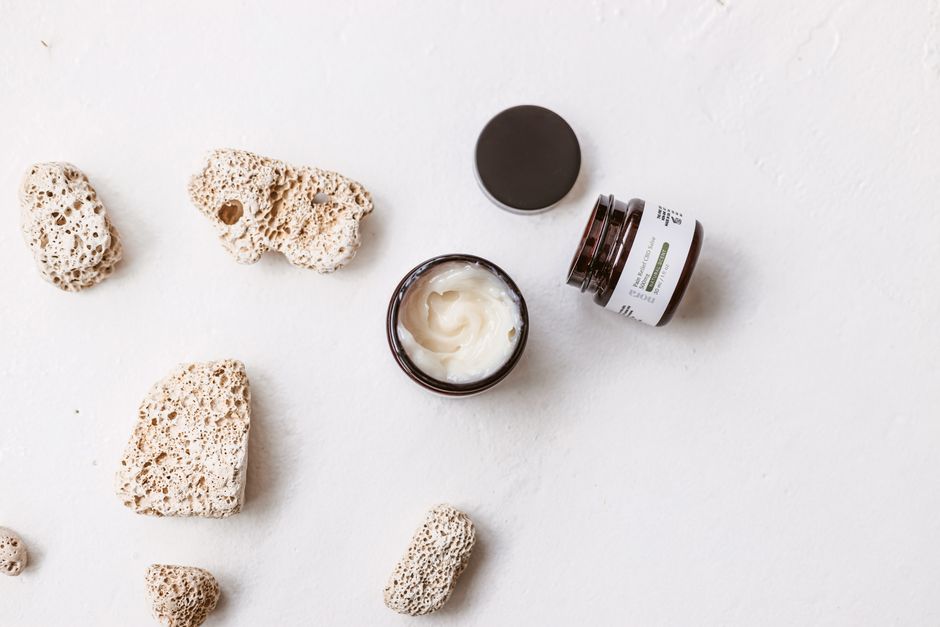
Zinc ointment is a thick, protective skin product used to treat diaper rash, soothe minor skin irritation, and shield broken or healing skin from moisture and friction. Its main ingredient, zinc oxide, has been used in skin care for more than a century. It works mostly as a physical barrier, not as a drug that absorbs into the body. That distinction matters, because it explains both what zinc ointment does well and what it cannot do.
What Is Zinc Ointment Good For Skin Benefits?
Zinc ointment earns its place in medicine cabinets for a short list of well-established uses. The strongest evidence supports its role in preventing and treating diaper rash, protecting skin around wounds and ostomies, and blocking irritants from reaching the skin surface.
The key ingredient is zinc oxide, a white powder that does not dissolve in water. When mixed into a petrolatum or mineral oil base, it forms a water-repellent layer on the skin. That layer keeps urine, feces, sweat, and other irritants from making direct contact. It also reduces friction, which is a major trigger for skin breakdown.
Zinc oxide also has mild astringent properties. It can draw some fluid out of weeping or macerated skin, which helps dry an area that is too moist. This is why it appears in products for diaper rash, minor burns, and skin folds.
What zinc ointment is not is a broad cure-all. It does not kill bacteria or fungi on its own. It does not treat eczema, psoriasis, or acne by changing the underlying disease process. When those conditions improve with zinc-based products, it is usually because the barrier protection reduces irritation, not because zinc fixed the disease.
How Does Zinc Oxide Actually Protect Skin?
Zinc oxide protects skin through physical blocking, not chemical absorption. Understanding this separates realistic expectations from marketing claims.
When you spread zinc ointment on skin, the zinc oxide particles sit on the surface and fill the gaps between skin cells. Water and water-based irritants cannot easily pass through. This is why the product stays visible as a white or semi-white layer. It is doing its job by staying on top rather than soaking in.
The ointment base adds a second layer of protection. Petrolatum and similar occlusive ingredients trap moisture in the skin and keep external moisture out. This reduces transepidermal water loss, the process by which skin loses water through its surface. Less water loss means less dryness and cracking.
Zinc oxide also reflects ultraviolet light. This is why it appears in mineral sunscreens. In a thick ointment, the UV protection is real but uneven, and it is not a substitute for a properly formulated sunscreen with a known SPF.
One clarification worth knowing: zinc ointment and zinc supplements work through completely different routes. Swallowing zinc affects the body internally. Putting zinc on the skin keeps it on the surface. The two should not be confused when reading claims about immune function or wound healing.
Is Zinc Ointment Effective for Diaper Rash?
Diaper rash is the condition with the clearest evidence for zinc oxide ointment, and it is the reason the product exists in most households. Diaper rash develops when skin stays wet and is exposed to urine, feces, and the friction of a diaper. The skin barrier breaks down, and irritation follows.
Zinc oxide ointment addresses each of those causes. It blocks the skin from urine and stool. It reduces friction. It keeps the area drier. Clinical guidance for diaper rash commonly includes a barrier ointment with zinc oxide as a first-line measure, applied thickly at each diaper change.
Application matters more than most people realize. A thin smear is not enough. The ointment should go on thick enough to leave a visible layer, like frosting on a cake. There is no need to wipe it all off at the next change. Wiping aggressively removes the protective layer and irritates skin further. Gentle cleaning and reapplication over the remaining layer is usually enough.
If a diaper rash has bright red, raised edges, satellite spots, or does not improve with consistent barrier care, it may be a yeast or bacterial infection. Those need a different treatment. Zinc ointment alone will not clear an infection. A clinician can tell the difference.




What Else Can Zinc Ointment Help With?
Beyond diaper rash, zinc ointment has several uses where the barrier effect is the point.
- Minor cuts and scrapes: A layer of ointment keeps the wound moist and shields it from dirt and friction. Moist wound healing is well established as helpful for certain wound types.
- Skin folds: Areas under the breasts, in the groin, or under the belly can trap moisture and rub. Zinc ointment reduces both problems.
- Around stomas and drainage sites: Clinicians often use zinc-based barrier products to protect skin from output that would otherwise cause breakdown.
- Chafing: Runners, cyclists, and anyone with skin-on-skin friction may find barrier ointment reduces irritation.
- Minor burns: A cooled, superficial burn can be covered with a light layer to protect it, though serious burns need medical care.
Each of these uses relies on the same mechanism. The ointment does not heal the skin directly. It creates conditions where the skin can heal without ongoing irritation.
What Zinc Ointment Cannot Do
Zinc ointment has real limits, and knowing them prevents wasted money and delayed care.
It does not treat infection. If skin is infected with bacteria or fungus, a barrier ointment may slow the spread of irritation but will not clear the infection. Signs of infection include spreading redness, warmth, swelling, pus, or fever. These need medical evaluation.
It does not treat eczema or psoriasis at the disease level. These are inflammatory conditions driven by immune activity. Barrier ointments can reduce irritation and dryness, which helps symptoms, but they do not address the underlying inflammation. Prescription treatments do.
It does not clear acne. Zinc has been studied in some acne formulations, but the evidence is mixed, and thick ointments can clog pores. A heavy zinc ointment on the face is more likely to worsen acne than help it.
It is not a replacement for sunscreen. Even though zinc oxide blocks UV light, an ointment is not formulated or tested to deliver a reliable SPF. Use a product labeled with a specific SPF for sun protection.
It does not absorb into the bloodstream in any meaningful way through intact skin. This is generally why it is considered well tolerated for topical use, though anyone with a known allergy to any ingredient should avoid it.
How Should You Apply Zinc Ointment?
Application is simple, but a few habits make it work better.
Clean and dry the skin first. Ointment sticks poorly to wet skin and traps irritants underneath. Pat dry rather than rub.
Apply a thick, visible layer. The goal is a physical barrier, so more is better than less. A thin film that disappears into the skin is not doing the job.
Do not scrub it off. At the next change or cleaning, wipe gently and reapply over what remains if the skin is not soiled.
Wash your hands before and after. This prevents spreading irritants or germs to other areas.
Stop and check with a clinician if the skin is not improving after several days of consistent use, if it looks infected, or if it is spreading. Barrier ointment is supportive care, not a treatment for every skin problem.
Zinc Ointment vs. Zinc Cream vs. Zinc Sunscreen
These products share an ingredient but are not interchangeable. The base and the concentration change what each one does.
| Product | Main Purpose | Key Difference |
|---|---|---|
| Zinc ointment | Barrier protection | Thick, occlusive, stays on the surface |
| Zinc cream | Barrier with easier spread | Lighter base, less staying power |
| Zinc sunscreen | UV protection | Tested for a specific SPF |
| Zinc supplement | Internal nutrition | Swallowed, not applied to skin |
The concentration of zinc oxide varies widely across products, and higher concentration does not always mean better. What matters is whether the product stays on the skin long enough to do its job. For barrier use, a thick ointment usually outperforms a light cream. For sun protection, a tested sunscreen is the only appropriate choice.
Frequently Asked Questions
What is zinc ointment good for?
Zinc ointment is best for protecting skin from moisture, friction, and irritants, especially in diaper rash and skin folds. It also shields minor cuts, scrapes, and chafed areas while they heal.
Does zinc ointment help heal skin faster?
It does not speed healing directly, but it removes the irritation that slows healing, which can help skin recover. The ointment works by protecting the skin, not by repairing it.
Can I use zinc ointment on my face?
It is generally not recommended for the face because thick ointments can clog pores and worsen acne. If you have a specific facial skin concern, ask a clinician or pharmacist for guidance.
How often should I apply zinc ointment to a diaper rash?
Apply it at every diaper change, using a thick visible layer. There is no need to remove all of it each time; gentle cleaning and reapplication over the remaining layer is usually enough.
