
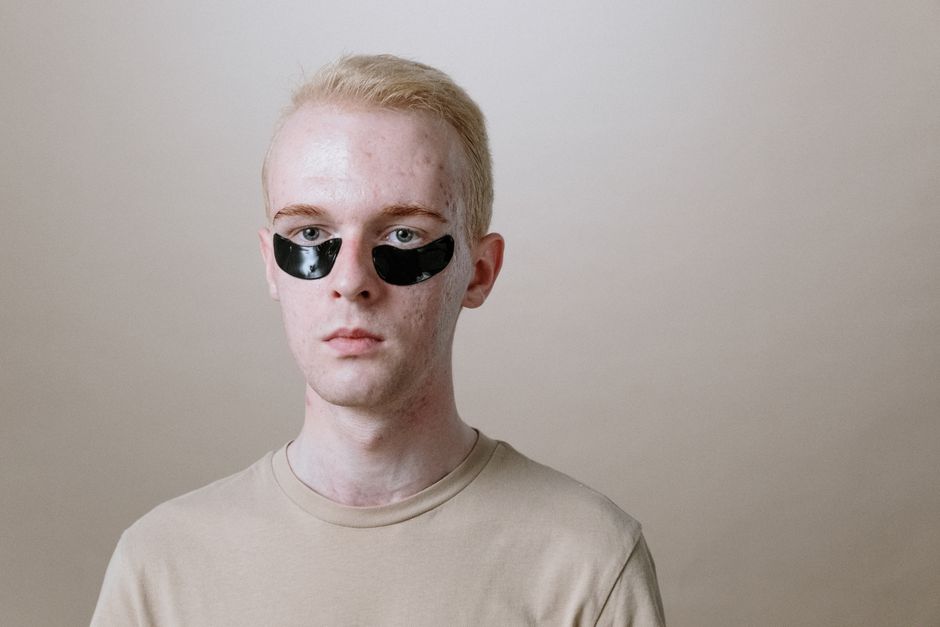
Most people pop their pimples. It is one of the most common skincare habits in the world. The short answer is that you should not pop a pimple. Popping increases the risk of infection, scarring, and making the breakout worse. While it can be tempting to squeeze a whitehead for instant relief, the long-term skin damage is rarely worth the temporary satisfaction.
What Happens When You Pop a Pimple?
Popping a pimple is a physical trauma to your skin. When you squeeze, you are not just removing pus. You are rupturing the hair follicle wall and pushing bacteria, oil, and dead skin cells deeper into the dermis, the living layer of your skin.
Your body responds to this injury with inflammation. The area becomes redder, more swollen, and often more painful than the original pimple. This is why a small whitehead can turn into a large, angry bump overnight after being squeezed.
The deeper the bacteria goes, the longer the healing process takes. A pimple that would have resolved in a few days can take weeks to heal after being popped. In some cases, the trapped bacteria causes a larger, more painful cyst to form in the exact same spot.
Why Popping Causes Scars and Dark Spots
Scarring is the most significant long-term consequence of popping pimples. When you squeeze, you damage the collagen fibers that keep your skin smooth and firm. This damage can leave a permanent depression or pit in the skin.
Dark spots, known medically as post-inflammatory hyperpigmentation, are even more common than true scars. These flat brown or red marks appear after inflammation damages the skin’s pigment-producing cells. They are especially common in people with darker skin tones.
These dark spots can take months to fade, even with consistent skincare. Some research suggests that picking at acne is a leading cause of these persistent marks. The best way to prevent them is to leave the pimple alone entirely.
Facial skin is particularly vulnerable. The skin on your face is thinner and has more blood vessels than other areas of your body. This makes it more prone to swelling and bruising when squeezed.
What Is the Safe Way to Remove a Whitehead?
Dermatologists agree that the safest approach is to let a pimple run its course. Most pimples will resolve on their own within a week without any intervention. The immune system clears the bacteria and the skin repairs itself naturally.
If you absolutely must extract a pimple, there is a safer method than squeezing with your fingers. The American Academy of Dermatology recommends using a sterile lancet or needle to gently pierce the white tip of the pimple. Then, wrap your fingers in tissue and apply gentle pressure on both sides of the pimple.
This method is not risk-free. It still carries a risk of scarring and infection. But it is significantly safer than using your fingernails, which harbor bacteria and cause more tissue damage.
You should only attempt this on a pimple with a visible white head. Do not attempt to extract a blind pimple, a cyst, or a pimple that has no visible opening. If the pus does not come out easily after gentle pressure, stop immediately. The pimple is not ready.



Do You Pop Pimples? Facts About the Dangers
Popping a pimple in the “danger triangle” of the face carries a rare but serious risk. This area includes the nose, the corners of the mouth, and the area between the eyebrows. The veins in this region drain directly to the cavernous sinus, a large vein at the base of the brain.
An infection introduced here can spread to the brain. This condition, called cavernous sinus thrombosis, is extremely rare but life-threatening. It requires immediate emergency care. The risk is very low, but the consequence is so severe that dermatologists advise never touching pimples in this area.
Beyond this rare risk, the everyday dangers are common. Every squeeze introduces new bacteria from your fingers into the wound. This can turn a minor blemish into a serious infection that requires prescription antibiotics.
Repeated picking also prolongs the acne cycle. The inflammation from picking triggers more oil production and more skin cell buildup, which leads to more pimples. You are not solving the problem. You are feeding it.
What Actually Works to Treat a Pimple Faster
Instead of popping, use treatments that target the bacteria and inflammation directly. Over-the-counter products containing benzoyl peroxide are the most effective option for killing acne bacteria. They also help dry out excess oil.
Salicylic acid is another proven option. It works by dissolving the dead skin cells that clog pores. This helps the pimple come to a head naturally and then resolve on its own.
For a red, inflamed pimple, a warm compress can help. Apply a clean, warm, damp cloth to the area for 10 to 15 minutes a few times a day. This increases blood flow to the area and helps the body clear the infection faster.
Hydrocolloid patches, sometimes called pimple patches, are a modern option. These small adhesive stickers are placed over the pimple and left on overnight. They absorb fluid from the pimple and create a protective barrier that prevents you from touching it. Some evidence suggests they speed up healing, though the effect is modest.
These treatments are not instant. They will not make a pimple disappear overnight. But they will help it resolve faster and with less damage than popping.
When Should You See a Dermatologist?
If you have frequent breakouts that leave scars, it is time to see a professional. A dermatologist can prescribe treatments that are far more effective than anything available over the counter. These include topical retinoids, oral antibiotics, and in some cases, isotretinoin.
For a single large, painful pimple that does not respond to home care, a dermatologist can perform a professional extraction. This is done in a sterile environment with proper tools. The risk of scarring is much lower than with home popping.
A dermatologist can also inject a diluted corticosteroid directly into a large, inflamed pimple. This treatment, called an intralesional steroid injection, rapidly reduces inflammation. It is the fastest way to shrink a painful cystic pimple, often within 24 to 48 hours.
These injections are safe when performed by a trained professional. They are not something you can do at home. Never attempt to inject anything into your own skin.
How to Stop the Habit of Picking
Picking at your skin is often a habit, not a rational choice. Many people do it without thinking, especially when stressed or bored. Breaking the habit requires awareness and a substitute behavior.
Cover the pimple with a hydrocolloid patch or a simple bandage. This physically prevents you from touching it and serves as a constant visual reminder. Keep your hands busy with a stress ball or fidget toy when you feel the urge to pick.
Keep your nails short. Long nails cause more tissue damage and harbor more bacteria under the tips. Shorter nails make it harder to effectively squeeze a pimple, which gives you a moment to stop and think.
If you find yourself picking at your skin frequently and cannot stop despite trying, you may have a condition called excoriation disorder, also known as skin-picking disorder. This is a recognized mental health condition that can be treated with therapy, particularly cognitive behavioral therapy. Talk to your doctor if this sounds like you.
Frequently Asked Questions
Can I pop a pimple if it has a white head?
It is still not recommended. Even with a visible white head, popping risks pushing bacteria deeper and causing scarring. If you must, use a sterile lancet and gentle pressure, but leaving it alone is safest.
How long does a pimple last if you do not pop it?
Most pimples resolve within 3 to 7 days without popping. Popping often extends the healing time to 1 to 2 weeks or longer due to increased inflammation and the risk of infection.
Does toothpaste dry out a pimple?
No evidence supports toothpaste as an acne treatment. Toothpaste contains ingredients that can irritate and burn the skin, which often makes the pimple worse. Use benzoyl peroxide or salicylic acid instead.
Can popping a pimple cause an infection?
Yes, popping introduces bacteria from your fingers into the wound. This can lead to a secondary infection that requires medical treatment. In rare cases, infections in the danger triangle of the face can spread to the brain.
