
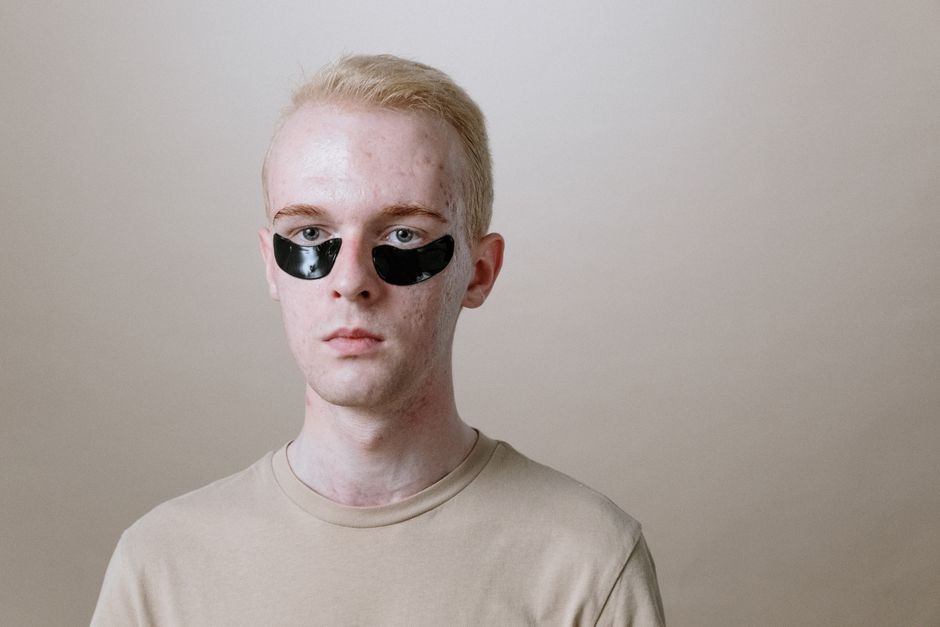
You have a pimple. Your instinct is to squeeze it. That is the worst thing you can do. Popping a pimple pushes bacteria deeper, causes more redness, and often leaves a scar that lasts months. The real trick is getting the pimple to go away without touching it at all. The best methods use targeted ingredients, heat, or professional tools to dry the pimple out from the inside without breaking your skin.
What Actually Happens When You Pop a Pimple?
A pimple is a small pocket of inflammation. Your body sends white blood cells to fight trapped bacteria and oil. When you squeeze it, you rupture that pocket. The bacteria and pus can spread into the surrounding skin.
The American Academy of Dermatology states that popping a pimple can push the infection deeper. This makes the pimple bigger and redder. It also increases your chance of a permanent scar. The redness you see after a pimple heals is often not the pimple itself — it is the damage from your fingers.
Some people report that popping gives them relief. That feeling is real. But the aftermath is worse. A pimple that heals on its own usually fades in 3 to 7 days. A popped pimple can stay red for weeks. The tradeoff is not worth it.
How To Take Off Pimples Without Popping Them Using Heat
Heat is one of the simplest tools. A warm compress increases blood flow to the area. More blood means more immune cells arrive to fight the infection. It also helps soften the clogged pore.
Take a clean washcloth. Soak it in warm water — not hot enough to burn. Hold it against the pimple for 10 to 15 minutes. Do this three to four times a day. Within 24 to 48 hours, the pimple often comes to a head naturally. Once it has a visible white tip, it may drain on its own or shrink.
Research published in the Journal of Clinical and Aesthetic Dermatology notes that heat therapy can reduce inflammation in cystic acne. It does not cure the pimple overnight. But it speeds up the natural cycle without damaging your skin.
Do not use heat if the pimple is already open or bleeding. That can spread bacteria further.
Do Spot Treatments Actually Work for Pimples?
Yes, but only the right ones. Many drugstore spot treatments use benzoyl peroxide or salicylic acid. Both have good evidence behind them.
Benzoyl peroxide kills the bacteria that cause acne. The CDC lists it as an effective topical treatment for mild to moderate acne. It works best on pimples that are red and inflamed. Apply a thin layer directly to the pimple once or twice a day. It can dry out the skin, so use a moisturizer on the rest of your face.
Salicylic acid works differently. It helps unclog pores by dissolving the dead skin cells that trap oil. It is better for blackheads and whiteheads than for deep cystic pimples. The American Academy of Dermatology recommends it for non-inflamed acne.
Some people report success with tea tree oil. Evidence is weaker here. A small study in the Medical Journal of Australia found that 5% tea tree oil gel worked better than placebo for mild acne. But it also caused more skin irritation. If you try it, dilute it with a carrier oil first.
| Ingredient | What It Does | Best For | Evidence Strength |
|---|---|---|---|
| Benzoyl peroxide | Kills bacteria, reduces inflammation | Red, swollen pimples | Strong — CDC and AAD support |
| Salicylic acid | Unclogs pores | Blackheads, whiteheads | Strong — AAD recommends |
| Tea tree oil | Antibacterial, anti-inflammatory | Mild acne | Moderate — one small study |
| Niacinamide | Reduces redness, supports skin barrier | Post-pimple redness | Moderate — good for calming |
None of these work instantly. Give any spot treatment at least three days before deciding it does not work. Applying too many products at once will irritate your skin and make the pimple worse.



Can Ice Make a Pimple Go Away Faster?
Ice does not kill bacteria or unclog pores. But it does reduce swelling. For a deep, painful pimple that has not come to a head, ice can help.
Wrap an ice cube in a thin cloth. Hold it against the pimple for 5 to 10 minutes. Do this once or twice a day. The cold constricts blood vessels, which reduces redness and pain. It will not make the pimple disappear. But it can make it less noticeable while your body heals it.
Do not apply ice directly to the skin. That can cause frostbite or damage the skin barrier. Also, ice is not useful for a pimple that already has a white head. That type of pimple needs to drain or dry out, not get frozen.
Some people report that alternating heat and ice helps. Heat brings blood to the area. Ice reduces the swelling. There is no strong clinical evidence for this combination. But it is unlikely to cause harm if done gently.
What About Pimple Patches and Hydrocolloid Bandages?
Pimple patches work. But they work for a specific type of pimple only. A hydrocolloid patch is a small adhesive bandage that absorbs fluid. It works best on a pimple that has already come to a head and is open or draining.
When you put a patch on an open pimple, it pulls out the pus and oil. It also creates a barrier that stops you from touching the pimple. The American Academy of Dermatology notes that hydrocolloid dressings can speed healing for open wounds. That includes open pimples.
For a pimple that is still deep and red, a patch does little. It cannot absorb fluid that is trapped under the skin. Some patches add salicylic acid or tea tree oil to the adhesive. Those may help a little, but the main benefit is the barrier.
Leave the patch on for 6 to 8 hours. Overnight is ideal. When you remove it, you will see a white spot on the patch — that is the fluid it absorbed. Do not pick at the area after removing the patch. Let it heal on its own.
Do not use a patch on skin that is irritated or broken from previous picking. That can trap bacteria and cause more acne.
What Should You Avoid When Trying To Remove a Pimple?
There are many things people try that make pimples worse. Here is what to skip.
- Toothpaste. This is a common home remedy. There is no evidence it works. Toothpaste contains ingredients that can burn your skin, like baking soda and hydrogen peroxide. It often causes more redness and peeling.
- Alcohol or hydrogen peroxide. These kill bacteria but also damage healthy skin cells. They dry out the skin and slow healing. Stick to benzoyl peroxide or salicylic acid instead.
- Scrubbing or exfoliating. Physical scrubs with beads or grains can rupture a pimple. They also irritate the skin around it. Use a gentle cleanser and pat dry.
- Using multiple products at once. If you layer benzoyl peroxide, salicylic acid, and a retinoid on one pimple, you will get red, peeling skin. Pick one active ingredient and stick with it.
- Picking at the scab. If a pimple heals and forms a small scab, leave it alone. Picking the scab is the fastest way to get a scar.
Some people report that squeezing a pimple with clean tools is safer than using fingers. This is widely claimed, but strong evidence is limited. Even clean tools can push bacteria deeper. The safest approach is no pressure at all.
When Should You See a Dermatologist for a Pimple?
Most pimples go away on their own or with over-the-counter treatments. But some situations need a professional.
If a pimple lasts more than two weeks without changing, see a dermatologist. It could be a cyst or a skin growth that is not actually acne. If you have a pimple that is extremely painful, hot to the touch, or larger than a pencil eraser, it may be infected. A doctor can drain it safely and prescribe antibiotics if needed.
Dermatologists can also give corticosteroid injections for large, painful pimples. These injections reduce swelling within 24 hours. They are not for everyday pimples. They are for the kind that ruin your week and make it hard to sleep.
If you get pimples frequently, a dermatologist can help find the root cause. Hormonal acne, for example, may need prescription medication like spironolactone or oral contraceptives. That is a conversation for a doctor, not a home remedy.
Frequently Asked Questions
Can I use a needle to pop a pimple safely?
No. Even with a sterile needle, you risk pushing bacteria deeper and causing scarring. It is safer to let the pimple drain naturally or use a hydrocolloid patch.
How long does it take for a pimple to go away without popping?
A small pimple usually fades in 3 to 7 days. A deep cyst can take 2 to 4 weeks. Heat and spot treatments can speed this up by a day or two.
Does toothpaste really dry out pimples?
No. Toothpaste can burn your skin and cause more redness. There is no clinical evidence it treats acne. Use benzoyl peroxide or salicylic acid instead.
Will ice make a pimple disappear overnight?
No. Ice reduces swelling but does not remove the pimple. It makes the pimple less noticeable while your body heals it over several days.
