
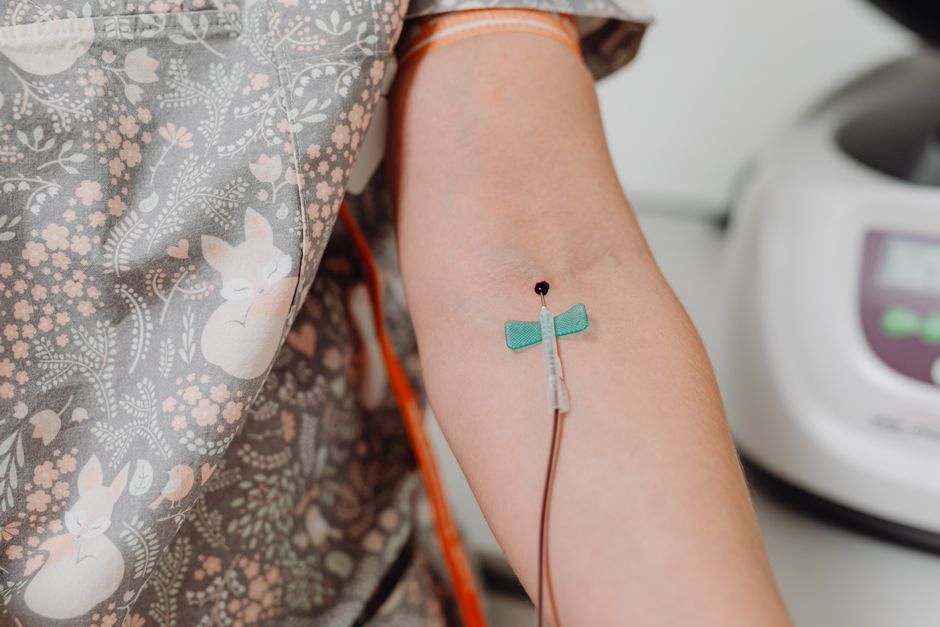
For many common blood tests, you do not need to fast. But for some key tests, fasting gives accurate results. The short answer is: it depends entirely on which test your doctor ordered. A lipid panel (cholesterol test) and a fasting glucose test usually require 8 to 12 hours of no food or drink besides water. A basic metabolic panel or a complete blood count often does not require fasting at all. Always check with your doctor or lab before your appointment. Guessing wrong means you might have to come back and do it again.
Which Blood Tests Actually Require Fasting?
The most common tests that require fasting are those measuring things that change quickly after eating. Your body processes food for hours after a meal. That processing changes levels of fats, sugar, and some other substances in your blood.
Lipid panel (total cholesterol, LDL, HDL, triglycerides) is the test most people associate with fasting. The American Heart Association still recommends a 9 to 12 hour fast for a standard lipid panel. Triglycerides in particular spike sharply after eating. A non-fasting triglyceride level tells your doctor very little about your baseline risk.
Fasting glucose tests also require 8 hours of no food. This test measures your blood sugar after your body has had time to use up the energy from your last meal. It helps diagnose diabetes and prediabetes. Random glucose tests do not need fasting but they are less useful for diagnosis.
Basic metabolic panel (BMP) and comprehensive metabolic panel (CMP) are mixed. Some labs ask you to fast for these. Others do not. The BMP checks kidney function, electrolytes, and blood sugar. The glucose part is more useful if you fast. The kidney numbers are fine either way. Ask your specific lab what they expect.
Which Tests Do Not Need Fasting?
Many routine blood tests are not affected by food at all. Your doctor may have told you to fast for everything out of habit. That is outdated advice for many common tests.
Complete blood count (CBC) does not require fasting. This test measures red blood cells, white blood cells, hemoglobin, and platelets. Food does not change these numbers in any meaningful way.
Thyroid panel (TSH, T3, T4) does not require fasting. Some research suggests that very large meals might slightly affect TSH levels, but the effect is small. Most labs and endocrinologists say fasting is not needed. Eat normally for this test.
Hemoglobin A1c measures your average blood sugar over the past 2 to 3 months. It is a long-term marker. A single meal will not change it. No fasting needed.
Vitamin D, vitamin B12, iron studies — these are generally fine without fasting. Some labs prefer fasting for iron studies because food can temporarily lower iron absorption. But the effect is inconsistent. Many doctors now say non-fasting iron levels are still useful.
What Happens If You Eat Before a Fasting Blood Test?
Eating before a test that requires fasting usually gives unreliable results. The lab will still run the test. But your doctor may not be able to interpret it correctly.
For a lipid panel, eating even a small meal can raise triglycerides by 20 to 30 percent. That can push a borderline result into an abnormal range. You might get labeled with high cholesterol when your real baseline is fine. Or your doctor might order more tests unnecessarily.
For a fasting glucose test, eating within 8 hours means your blood sugar will be higher than your true fasting level. This can lead to a false diagnosis of prediabetes or diabetes. That is stressful and leads to more testing. It wastes time and money.
If you accidentally eat before a fasting test, tell the lab or your doctor. Do not just let them run the test anyway. They may tell you to reschedule. Some labs have protocols for non-fasting results. They can flag the result as non-fasting so your doctor knows to interpret it carefully.


Does Drinking Water Break a Fast for Blood Work?
Water is almost always allowed. Plain water does not affect blood sugar, cholesterol, or most other lab values. Dehydration can actually make veins harder to find and can concentrate your blood, which might skew some results.
Drink water before your blood draw. Not a gallon, but a normal glass or two. It keeps you hydrated and makes the draw easier. Black coffee, tea, juice, soda, or any other beverage is not allowed during a fasting period. Even sugar-free drinks can contain compounds that affect some lab tests.
Some people worry that water will dilute their blood and change results. That is not how it works. Your body tightly regulates blood volume and concentration. A glass of water does not meaningfully change your lab values. Dehydration does more harm than good.
One exception: if your doctor specifically told you to avoid water, follow their instruction. That is rare but happens for some specialized tests like a glucose tolerance test or certain hormone panels.
Can You Take Medications Before a Fasting Blood Test?
Most medications should be taken as usual. Do not skip your daily medications just because you are fasting for blood work. This is a common mistake people make.
Blood pressure medications, thyroid medications, antidepressants, and most other daily drugs do not interfere with fasting blood tests. Taking them with a small sip of water is fine. The amount of water needed to swallow a pill is negligible.
There are a few exceptions. Diabetes medications like insulin or metformin are tricky. If you are fasting for a glucose test, taking your diabetes medication could cause dangerously low blood sugar. Talk to your doctor about how to handle this. They may want you to take your medication after the blood draw.
Vitamin supplements and herbal supplements are a different story. Some supplements like biotin can interfere with lab tests. Biotin is known to cause false results on thyroid tests and some cardiac tests. Stop taking high-dose biotin at least 72 hours before blood work. Check with your lab for their specific recommendation.
| Test Name | Fasting Required? | Fasting Time |
|---|---|---|
| Lipid panel (cholesterol) | Yes | 9-12 hours |
| Fasting glucose | Yes | 8 hours |
| Basic metabolic panel | Sometimes | 8-12 hours (check lab) |
| Complete blood count (CBC) | No | None |
| Thyroid panel (TSH) | No | None |
| Hemoglobin A1c | No | None |
| Vitamin D | No | None |
What Are the Risks of Fasting Before a Blood Test?
Fasting for blood work is safe for most people. But it is not risk-free. Some people feel dizzy, lightheaded, or faint during or after the blood draw. This is more common if you have not eaten for 12 hours.
Low blood sugar is a real concern for people with diabetes or anyone prone to hypoglycemia. If you start feeling shaky, sweaty, confused, or very hungry during the fast, eat something. Your safety matters more than a lab result. Tell the lab staff what happened. They can reschedule or sometimes run the test anyway.
Dehydration is another risk. Some people avoid water because they think it breaks the fast. That is incorrect. Drink water. If you feel thirsty, drink. Dehydration thickens your blood and makes veins harder to find. It also increases your risk of fainting.
Pregnant women, older adults, and people with chronic illnesses should be especially careful. If you have any condition that affects your blood sugar or blood pressure, talk to your doctor before doing a prolonged fast. They may recommend a shorter fast or a non-fasting alternative test.
Common Misconceptions About Fasting for Blood Work
One widespread myth is that you must fast for every blood test. That is not true. Many labs and doctors have moved away from routine fasting for all tests. The trend is toward fasting only when the evidence supports it. Research published in the New England Journal of Medicine and other major journals has questioned the necessity of routine fasting for lipid panels. Some studies suggest non-fasting lipid levels are just as useful for predicting heart disease risk.
Another myth is that chewing gum or eating a mint breaks your fast. Technically, any calorie intake breaks a fast. But a single piece of sugar-free gum is unlikely to change your results. Still, it is better to avoid it. If you accidentally chew gum, tell the lab. Do not panic.
Some people believe that black coffee is fine during a fast for blood work. It is not. Coffee contains caffeine and other compounds that can affect blood sugar, cortisol, and some hormone levels. Even black coffee can raise your blood sugar temporarily. Stick to water.
There is also a belief that exercise before a fasting blood test is helpful. It is not. Exercise can temporarily change your blood sugar, cholesterol, and muscle enzyme levels. Avoid vigorous exercise for 12 hours before your blood draw. Light walking is fine.
Finally, many people think that if they fast longer than 12 hours, the results will be even more accurate. That is not true either. Fasting for more than 14 hours can actually cause your body to start breaking down fat stores, which can raise your triglyceride levels. Stick to the recommended 8 to 12 hour window.
Frequently Asked Questions
Can I drink coffee before a fasting blood test?
No. Black coffee can affect blood sugar and other lab values. Stick to plain water.
What happens if I accidentally eat before a fasting blood test?
Tell your doctor or the lab. They may reschedule or interpret the results as non-fasting.
Is 12 hours of fasting too long for blood work?
Yes, for some tests. Fasting longer than 14 hours can raise triglycerides. Stick to 8 to 12 hours.
Can I take my daily medication while fasting for blood work?
Yes, with a small sip of water. Ask your doctor about diabetes medications specifically.
