
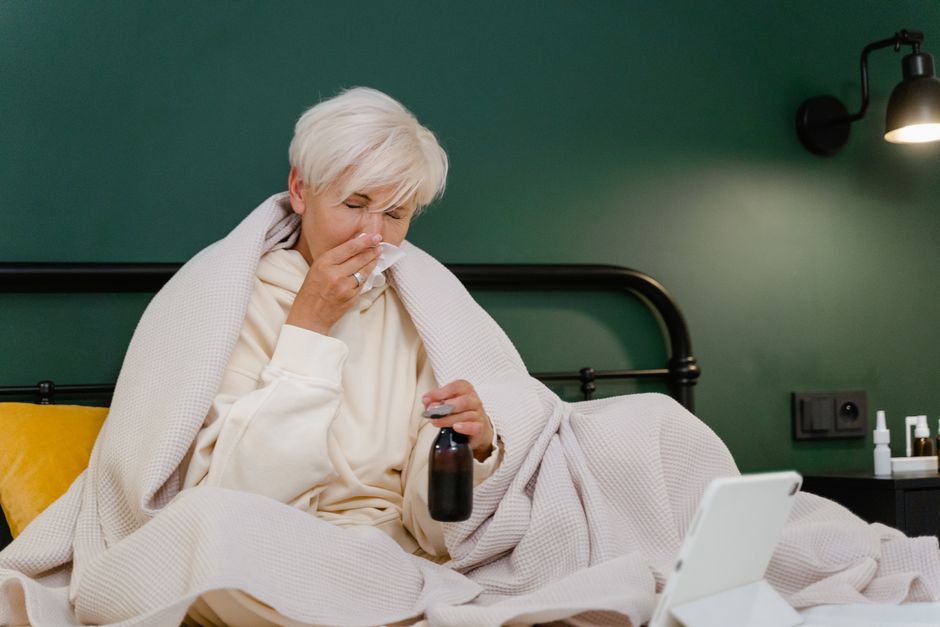
You have heard it since childhood: put on a jacket or you will catch a cold. Your grandmother believed it. Your mother believed it. But does cold air actually make you sick? The short answer is no. Cold temperatures do not cause colds. Viruses cause colds — most often rhinoviruses. That said, cold weather may create conditions that make it easier for those viruses to spread and for your immune system to struggle. The idea is not entirely wrong. It is just incomplete.
Do You Get a Cold From Being Cold?
No. Being cold does not give you a cold. You get a cold by catching a virus. There is no way around that basic fact.
More than 200 viruses can cause the common cold. Rhinoviruses are the most common culprit. Others include coronaviruses, adenoviruses, and respiratory syncytial virus. None of them appear spontaneously because your feet got wet or you forgot your hat.
So why does the myth persist? Because cold weather and colds do arrive together. That correlation feels like causation. But the real explanation is about behavior and biology, not temperature itself.
When it is cold outside, people spend more time indoors. They crowd into rooms with windows shut. They breathe the same recycled air. They stand closer to each other. That is how viruses find new hosts. The cold season is really the indoor season.
There is one more piece. Cold air may affect your nasal passages in ways that make infection slightly more likely. But that is a far cry from cold air causing the cold itself.
Why Do More People Get Sick in Winter?
Winter brings people together indoors, and that is the biggest driver. But researchers have also looked at whether cold air and low humidity play a direct role. The evidence suggests they might, at least in part.
Rhinoviruses — the viruses behind most colds — actually replicate better at cooler temperatures. Research published in the Proceedings of the National Academy of Sciences found that rhinoviruses reproduce more efficiently in the cooler environment of the nasal cavity compared to the warmer core body temperature. Your nose runs cooler than your lungs, especially in winter.
Low humidity matters too. Cold outdoor air holds less moisture, and heated indoor air is dry. Dry air can dry out the mucus lining in your nose and throat. That lining is a physical barrier against viruses. When it dries out, that barrier weakens.
There is also some evidence that cold exposure affects the immune response in the nasal lining. Some studies suggest that breathing cold air may reduce the ability of cells in the airways to fight off infection. This research is ongoing and not fully settled.
What is clear is this: cold weather creates favorable conditions. It does not create the virus.
Does Going Outside With Wet Hair Make You Sick?
No. Wet hair does not cause a cold. Neither does going outside without a coat.
This idea has been tested. Some researchers have deliberately exposed volunteers to cold temperatures or had them sit in chilly rooms with wet hair. Those who were not exposed to a virus did not get sick, even when they were cold and uncomfortable. People who were exposed to a cold virus got sick regardless of whether they were warm or cold.
The only way wet hair could contribute is indirect. Being cold and uncomfortable might make you more likely to stay indoors, where viruses spread more easily. But the wet hair itself is not the problem.
Feeling cold is also not the same as being sick. Cold hands and a chill are normal responses to temperature. A cold is an infection with specific symptoms — runny nose, sore throat, sneezing, and congestion — that develop after exposure to a virus.





Can Cold Weather Weaken Your Immune System?
The honest answer is that the evidence is mixed and not definitive. Some research points toward cold exposure having measurable effects on immune function. Other research has not confirmed a clear link.
What we know is that your immune system is complex. It does not simply get weaker when the temperature drops. But certain conditions associated with cold weather — like dry air, reduced sunlight, and lower vitamin D levels — may influence how well your body defends itself.
Vitamin D is one area of active research. Your body makes vitamin D when your skin is exposed to sunlight. In winter, many people get less sun and have lower vitamin D levels. Some studies have found an association between low vitamin D and increased respiratory infections. But whether vitamin D supplements prevent colds is still debated, and results from clinical trials have been mixed.
Sleep also matters. Research consistently shows that people who sleep fewer hours are more likely to catch colds when exposed to viruses. In one often-cited study, participants who slept less than seven hours were significantly more likely to develop a cold after being exposed to a rhinovirus compared to those who slept eight hours or more. Sleep is one of the more reliable factors linked to cold susceptibility.
Stress plays a role too. Chronic psychological stress has been associated with increased risk of respiratory infections in multiple studies.
These factors — sleep, stress, nutrition, and vitamin D — are more clearly connected to cold risk than temperature alone.
What Actually Prevents Colds?
If cold air is not the cause, what is? The answer comes down to blocking the virus and keeping your immune system in good shape.
Handwashing is the most reliable step. Cold viruses spread through droplets from coughs and sneezes, and through contact with contaminated surfaces. You touch a doorknob, then touch your face, and the virus enters through your nose or eyes. Washing your hands with soap and water for at least 20 seconds removes many of these viruses.
Not touching your face is harder than it sounds. Most people touch their faces many times per hour without realizing it. That is one reason colds are so common.
Other steps that may help include:
- Getting adequate sleep — most adults need seven to nine hours per night
- Managing stress through regular physical activity or relaxation practices
- Eating a varied diet that supports immune function
- Avoiding close contact with people who are actively sick
- Keeping indoor air from becoming too dry — using a humidifier may help maintain the moisture barrier in your nose
No supplement has been proven to prevent colds across the board. Vitamin C, zinc, and echinacea have all been studied. Results have been inconsistent. Some evidence suggests zinc lozenges may shorten a cold if taken within 24 hours of symptoms starting, but the evidence is not strong enough to call it a reliable prevention method. Always talk to a healthcare provider before starting any supplement, especially if you take other medications.
There is no vaccine for the common cold because so many different viruses cause it. That is why colds remain so common. Most adults get two to three colds per year. Children get more.
Does Cold Air Make Symptoms Worse Once You Are Sick?
Cold air does not make a cold worse in the sense of prolonging the infection or increasing its severity. But it can make you feel worse temporarily.
Breathing cold air can irritate an already inflamed throat and airway. It can trigger coughing or make your nose run more. That is discomfort, not a worsening infection.
Warm, moist air — like steam from a shower — may soothe irritated airways and help you feel more comfortable. This does not shorten the cold, but comfort matters when you are sick.
The same principle applies to going outside when you already have a cold. You will not make it worse by stepping into the cold. But if you feel miserable, staying warm and resting is reasonable.
The Bottom Line
Cold weather does not cause colds. Viruses do. But cold weather can create conditions that help viruses spread — more time indoors, drier air, and possibly some effect on nasal defenses.
The best protection is the same in winter as any other time: wash your hands, avoid touching your face, get enough sleep, and stay away from people who are clearly sick. A jacket will keep you comfortable. It will not keep you from catching a cold.
Frequently Asked Questions
Can you get a cold from being cold?
No. Colds are caused by viruses, not by cold temperatures. You can only get a cold by being exposed to a cold-causing virus.
Why do people get more colds in winter?
People spend more time indoors in close contact during winter, which makes it easier for viruses to spread. Cold, dry air may also weaken the nasal lining and help some viruses replicate more efficiently.
Does going outside with wet hair cause a cold?
No. Wet hair does not cause a cold. Studies have exposed people to cold conditions without a virus, and they did not get sick.
Can cold air weaken your immune system?
The evidence is mixed. Some studies suggest cold exposure may affect immune function in the airways, but this is not fully established. Sleep, stress, and nutrition have stronger links to cold susceptibility.
