
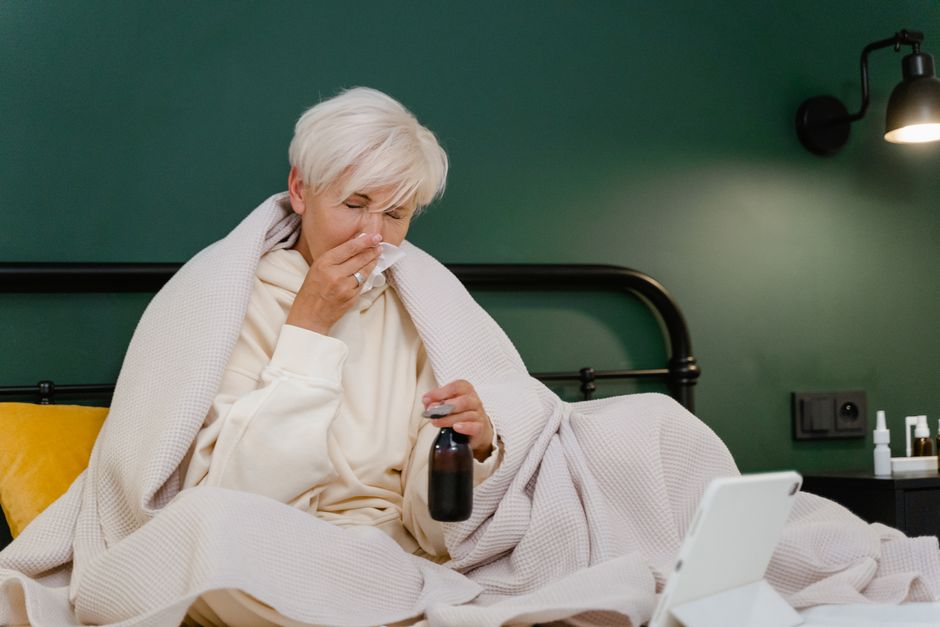
A viral cold usually lasts 7 to 10 days. Most people start feeling better by day 7, though a mild cough can hang on for up to two weeks. The worst symptoms—like a sore throat, sneezing, and a runny nose—typically peak around days 2 to 4 before slowly improving.
How Long Does A Viral Cold Last
Most viral colds run their course in 7 to 10 days.
The timeline is fairly predictable. Day 1 often starts with a scratchy throat or mild fatigue. Days 2 to 4 bring the heaviest symptoms, including nasal congestion, sneezing, and sometimes a mild fever in children. By day 5, symptoms usually begin to fade. Day 7 is when most people feel significantly better. A dry cough may last a few extra days because the airways are still healing.
About 25 percent of people still have symptoms at day 14, most commonly a lingering cough. If symptoms last beyond two weeks without improving, it is worth checking with a clinician.
What Actually Happens Inside Your Body
A cold is caused by a virus, most often a rhinovirus. There are over 200 viruses that can cause the common cold, which is why you can catch colds repeatedly.
When the virus enters your nose or eyes, it attaches to cells lining your upper respiratory tract. It then hijacks those cells to replicate. Your immune system responds by sending white blood cells to the area. This immune response—not the virus itself—causes most of your symptoms. The swelling, mucus production, and sore throat are signs your body is fighting the infection.
This immune response takes time to build. It explains why symptoms worsen before they improve. The virus multiplies quickly in the first 48 hours, and your immune system needs several days to catch up and clear the infection.
The Difference Between a Cold and the Flu
Colds and the flu share some symptoms, but they are different illnesses.
A cold comes on gradually. Symptoms are mostly above the neck—runny nose, congestion, sneezing, and sore throat. Fever is uncommon in adults with colds. The flu comes on suddenly. It brings fever, body aches, chills, and fatigue. Flu symptoms affect your whole body, not just your nose and throat.
Flu typically lasts 5 to 7 days, but the fatigue can linger for two weeks or more. Colds are more common than flu, but flu is more serious. If you have sudden fever, severe muscle aches, and exhaustion, flu is more likely than a cold.
COVID-19 also starts with cold-like symptoms in many cases. A loss of taste or smell, shortness of breath, or a dry cough can point to COVID. Testing is the only reliable way to tell these apart.





When Are You Contagious
You are contagious from about one day before symptoms start until about day 5 to 7 of the illness.
The highest viral shedding happens in the first 2 to 3 days of symptoms. This is when you are most likely to pass the virus to others. By day 5, most people have significantly lower viral loads. You can still spread the virus until symptoms resolve, but the risk drops considerably after the first few days.
Children and people with weakened immune systems may shed virus longer. The practical rule is simple: if you have symptoms, you can spread the virus. Staying home during the worst days is considerate and reduces spread.
What Actually Helps You Recover Faster
No medication cures a cold. Antibiotics do not work because colds are viral, not bacterial. Over-the-counter cold medicines treat symptoms; they do not shorten the illness.
What does help:
- Rest — Your immune system works best when you are not physically stressed.
- Fluids — Water, broth, and warm tea keep mucus thin and prevent dehydration.
- Saline nasal spray — This rinses the nose and eases congestion without medication.
- Honey — A spoonful can calm a cough. Do not give honey to children under one year old due to botulism risk.
- Steam — A hot shower or a bowl of steaming water can temporarily ease congestion.
Zinc lozenges have some evidence for shortening colds by about a day if started within 24 hours of symptom onset. The evidence is mixed, and zinc can cause nausea. Vitamin C does not prevent colds in most people, though regular use may slightly shorten symptoms. Neither is a cure.
There is no reliable evidence that echinacea shortens a cold. Some studies show a modest benefit; others show none. The evidence overall does not support a clear recommendation.
When to See a Doctor
Most colds do not require medical care. But some symptoms warrant a call to your clinician.
See a doctor if you have:
- Fever above 101.3°F (38.5°C) lasting more than three days
- Symptoms that improve then suddenly worsen
- Shortness of breath or difficulty breathing
- Chest pain or pressure
- Severe headache or facial pain
- Symptoms lasting more than 10 days without improvement
A cold that seems to get better then comes back with a fever could be a secondary bacterial infection, such as sinusitis or pneumonia. These require different treatment and should not be ignored.
In young children, call a doctor if a fever lasts more than three days, if the child has trouble breathing, or if they are not drinking enough fluids. Infants under three months with any fever should be evaluated promptly.
Why Some Colds Last Longer Than Others
Several factors influence cold duration. The specific virus matters. Some viruses, like respiratory syncytial virus (RSV), tend to cause longer symptoms than rhinoviruses. Your immune status matters too. People under chronic stress, those who sleep poorly, and smokers tend to have longer, more severe colds.
Smoking is particularly relevant. Smoking damages the cilia—tiny hair-like structures in your airways that sweep mucus out. Damaged cilia mean slower clearance of the virus and mucus, which prolongs symptoms.
Age also plays a role. Children get 6 to 8 colds per year on average, while adults get 2 to 3. Children’s symptoms often last a few days longer because their immune systems are still developing immunity to common viruses.
How to Prevent the Next Cold
Hand hygiene is the single most effective prevention strategy. Cold viruses survive on hard surfaces for hours. Touching a contaminated surface then touching your eyes, nose, or mouth transfers the virus.
Washing hands with soap and water for at least 20 seconds works well. Alcohol-based hand sanitizers with at least 60 percent alcohol are a good alternative when soap is not available.
Avoid touching your face, especially your eyes and nose. This is harder than it sounds—people touch their faces dozens of times per day without noticing. Being aware of it helps.
Regular exercise and adequate sleep support immune function. People who sleep less than 7 hours per night are more likely to catch a cold after exposure to a virus compared to those who sleep 8 hours or more, according to research published in the Archives of Internal Medicine.
What Not to Do
Several popular cold remedies do not work and some are harmful.
Vitamin C megadoses do not prevent colds and do not shorten them meaningfully in most people. High doses can cause diarrhea and stomach cramps.
Antibiotics are not just useless for colds—they are harmful when overused. They kill beneficial bacteria and contribute to antibiotic resistance. Taking antibiotics for a cold does nothing for the virus.
Suppressant cough medicines are not recommended for children under six. The evidence for their effectiveness in children is weak, and side effects are possible. Honey is a better option for children over one year old.
Avoid combining multiple cold medications that contain the same ingredient. Many “cold and flu” products contain acetaminophen. Taking several products together can exceed safe doses and damage the liver. Always check active ingredients.
Frequently Asked Questions
How long is a viral cold contagious?
You are contagious from about one day before symptoms start until about day 5 to 7 of the illness. The highest risk of spreading it is in the first 2 to 3 days of symptoms.
Can a cold last 3 weeks?
Most colds resolve within 10 days, but a dry cough can last up to 14 days. Symptoms lasting beyond two weeks without improvement should be evaluated by a clinician.
What is the fastest way to cure a viral cold?
There is no cure for a cold. Rest, fluids, and symptom relief are the only supportive measures that help your immune system clear the virus.
Is it a cold or allergies?
Colds last 7 to 10 days and often include fever or body aches. Allergies last weeks to months, do not cause fever, and typically produce clear, watery nasal discharge with itching.
