
Breathing cold air can be a surprisingly effective way to stimulate your vagus nerve and trigger a relaxation response. The vagus nerve is the main highway of your parasympathetic nervous system, which controls your body’s rest-and-digest state. When you deliberately inhale cold air, especially through your nose, you activate nerve receptors that can slow your heart rate, lower blood pressure, and shift your body out of a stress response.
What Is the Vagus Nerve and Why Does Cold Matter?
The vagus nerve runs from your brainstem down through your neck and chest into your abdomen. It carries signals between your brain and your internal organs, including your heart, lungs, and digestive tract. It is the primary nerve of your parasympathetic nervous system, which is responsible for calming your body after stress.
Cold exposure is one of the most direct physical ways to stimulate this nerve. Cold receptors in your face and airways send rapid signals up the vagus nerve to your brain. This is why splashing cold water on your face or stepping into a cold shower can feel instantly grounding. Breathing cold air does something similar, but it works from the inside out.
When you inhale cold air, the temperature change is detected by sensory nerves in your nasal passages and upper airways. These signals travel along the vagus nerve and can produce a measurable calming effect. Some research suggests this is why cold-water immersion and cold-air exposure are associated with reduced heart rate and a sense of mental clarity.
How To Soothe Your Vagus Nerve Breathing Cold More Effectively
To get the most benefit from cold-air breathing, you need to do it deliberately. It is not about standing outside shivering. It is about controlled, intentional breaths that give the cold air time to stimulate your nerve receptors.
Start by stepping outside or near an open window where the air is genuinely cold. Stand or sit comfortably with your spine tall. Inhale slowly and deeply through your nose. Exhale gently through your mouth or nose. The key is the inhale, because that is when cold air contacts your nasal passages and upper airway.
Aim for a slow inhale lasting about four seconds. Then exhale for about six seconds. This longer exhale is important because it activates the vagus nerve further and promotes heart rate variability, which is a marker of a healthy stress response. Repeat this for three to five minutes.
If the air is very cold, start with shorter sessions. One minute is enough to notice an effect. You can build up gradually. Do not force yourself to endure extreme cold if it is uncomfortable. The goal is stimulation, not suffering.
Why Nose Breathing Matters More Than Mouth Breathing
Your nose is designed to prepare air for your lungs, but it also plays a role in nerve stimulation. The nasal passages are densely packed with sensory receptors connected to the vagus nerve. When cold air passes through your nose, those receptors fire more strongly than they do in your mouth or throat.
Mouth breathing delivers colder air directly to your throat and lungs, which can be irritating and even trigger coughing or bronchospasm in sensitive people. Nasal breathing warms and humidifies the air slightly while still delivering a meaningful cold signal. It also produces nitric oxide, a molecule that helps dilate blood vessels and improve oxygen uptake.
If your nose is congested, you can still benefit from cold-air breathing through your mouth, but the effect will be weaker. Try clearing your nasal passages first with a saline rinse if needed. The combination of nasal breathing and cold air is the most effective approach for vagus nerve stimulation.




The Evidence Behind Cold Exposure and the Vagus Nerve
Research on cold exposure and the vagus nerve is growing but still limited in scope. Some studies have examined cold-water immersion and its effects on heart rate variability, which is a direct measure of vagus nerve activity. These studies generally show that cold exposure increases parasympathetic activity, meaning the vagus nerve becomes more active.
One area of research involves the diving reflex, which is triggered when cold water contacts your face. This reflex causes your heart rate to slow and your blood vessels to constrict in your extremities. It is mediated by the vagus nerve and is one of the clearest demonstrations of how cold stimuli can shift your nervous system toward a calmer state.
Breathing cold air is less studied than cold-water immersion, but the underlying physiology is similar. Cold receptors in the upper airway connect to the same nerve pathways. Some research suggests that slow, deep breathing alone increases vagal tone, and adding cold air appears to enhance this effect. However, no large clinical trials have specifically measured cold-air breathing as a standalone treatment for anxiety or stress.
The evidence is promising but not definitive. What is well established is that slow breathing and cold exposure both independently activate the parasympathetic nervous system. Combining them is biologically logical and appears to be safe for most healthy people.
Who Should Be Careful With Cold-Air Breathing
Cold-air breathing is not appropriate for everyone. If you have asthma, cold air can trigger bronchoconstriction and worsen symptoms. People with cold-induced asthma, exercise-induced bronchoconstriction, or chronic obstructive pulmonary disease should avoid breathing very cold air, especially during exercise.
People with heart conditions should also be cautious. Cold exposure causes a temporary increase in blood pressure and heart rate before the calming effect kicks in. For someone with unstable heart disease, this initial spike could be risky. If you have any cardiovascular condition, talk to your doctor before starting cold exposure practices.
Pregnant women should also be cautious with cold exposure. No clinical guidelines exist for cold-air breathing during pregnancy, and the effects on fetal heart rate are not well studied. If you are pregnant, it is safer to focus on slow breathing at room temperature rather than cold-air exposure.
If you feel dizzy, lightheaded, or experience chest pain during cold-air breathing, stop immediately. These symptoms are not normal and warrant medical evaluation.
Other Ways To Stimulate the Vagus Nerve Without Cold
Cold-air breathing is one tool, but it is not the only way to activate your vagus nerve. Slow diaphragmatic breathing at any temperature is effective. The key is breathing at a rate of about six breaths per minute, which research has shown to increase heart rate variability and vagal tone.
Singing, humming, and gargling also stimulate the vagus nerve because they engage the vocal cords and pharyngeal muscles, which are innervated by vagal branches. Some research suggests that chanting or humming for a few minutes daily can increase vagal tone over time.
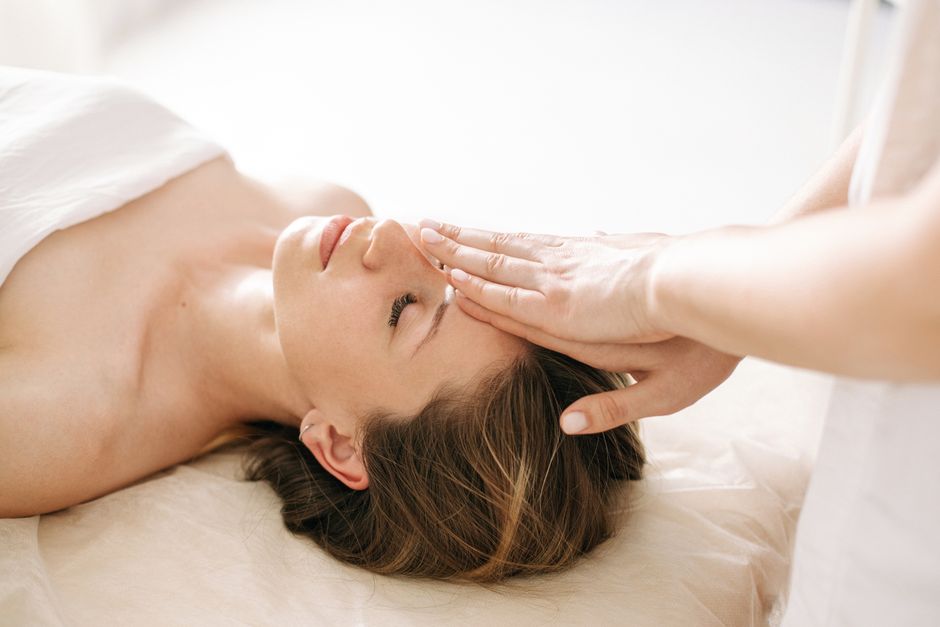
Facial massage and gentle pressure on the neck can also help. The carotid sinus, located in the neck, is a pressure sensor connected to the vagus nerve. Light massage in this area can trigger a mild calming response, though you should never press hard on your neck.
Yoga and meditation are well-established methods for improving vagal tone. Regular practice over weeks and months produces measurable changes in heart rate variability. These practices are not quick fixes, but they are supported by stronger evidence than cold exposure alone.
How Long Before You Notice a Difference
The immediate effects of cold-air breathing can be felt within minutes. Your heart rate may slow, your breathing may deepen, and you may feel more grounded. These acute effects are real and reproducible for most people.
Longer-term changes to your baseline vagal tone require consistent practice. Research on breathing exercises and vagal tone suggests that daily practice for several weeks is needed to see lasting changes in heart rate variability. Cold-air breathing is no different in this regard.
Think of it like exercise. One session feels good, but the lasting benefits come from repetition. If you practice cold-air breathing for a few minutes most days, you may notice improvements in your stress resilience, sleep quality, and ability to stay calm under pressure within a month.
Practical Tips for Starting a Cold-Air Breathing Practice
Start small and build gradually. One minute of slow nasal breathing in cold air is enough on your first day. Add thirty seconds each day until you reach five minutes.
Choose a consistent time. Many people find that morning cold-air breathing sets a calm tone for the day. Others prefer it in the evening to wind down. Either works as long as you are consistent.
Dress appropriately. You want to feel the cold air on your face and inhale it, but you do not need to subject your whole body to cold. Wearing a warm coat while your face is exposed is perfectly fine.
Combine cold-air breathing with other calming practices. A few minutes of cold-air breathing followed by a warm cup of tea or a short meditation can reinforce the relaxation response.
Track your progress if you like. Some people use heart rate variability monitors on their smartwatches to see how their nervous system responds over time. This is not necessary, but it can be motivating to see objective changes.
Frequently Asked Questions
Can breathing cold air really activate the vagus nerve?
Yes, cold receptors in your nasal passages and upper airways send signals along the vagus nerve to your brain. This can slow your heart rate and shift your body into a calmer state.
How long should I practice cold-air breathing each day?
Three to five minutes of slow nasal breathing in cold air is a reasonable daily target. Start with one minute if you are new to cold exposure and build up gradually.
Is cold-air breathing safe for people with asthma?
No, cold air can trigger bronchoconstriction in people with asthma. If you have asthma or any respiratory condition, avoid cold-air breathing and focus on slow breathing at room temperature instead.
Does cold-air breathing work better than regular deep breathing?
Both are effective, but cold air adds an extra sensory stimulus that appears to enhance the vagal response. Regular deep breathing alone is well supported by research and is a safer option for people with cold sensitivity.
