
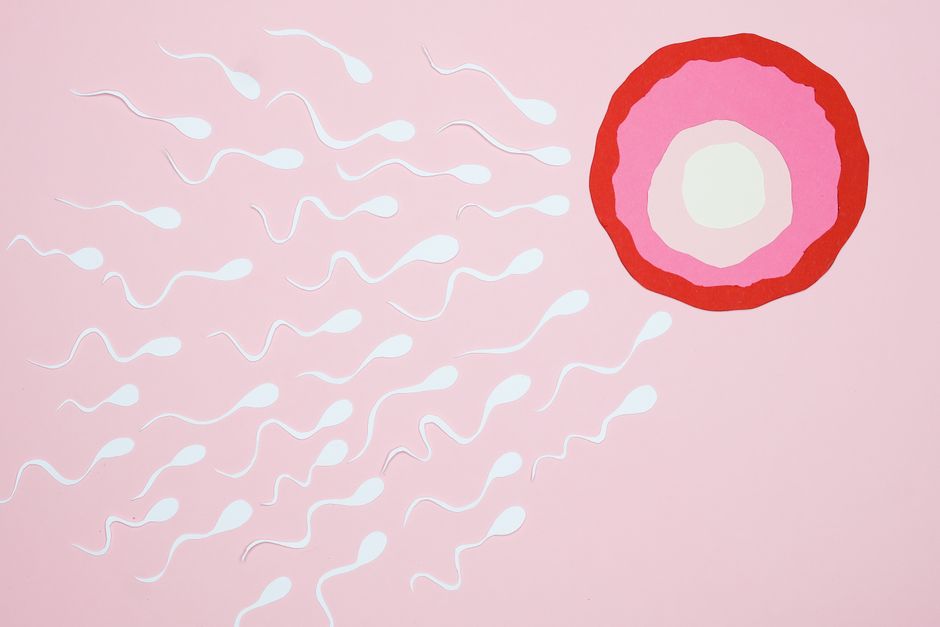
Ovulation itself lasts about 12 to 24 hours. That is the window in which an egg can be fertilized after it is released from the ovary. But the fertile window — the days when sex can lead to pregnancy — is longer, roughly five days before ovulation plus the day of ovulation itself.
The confusion comes from how these terms get used. Ovulation is a single event measured in hours. The fertile window is a span of days. Knowing the difference matters whether you are trying to conceive or trying to avoid pregnancy.
How Many Days Does Ovulation Last Exactly?
The egg survives for 12 to 24 hours after release. If fertilization does not happen in that time, the egg breaks down and is absorbed by the body. Ovulation is not a multi-day process, even though many apps and articles describe it that way.
What lasts longer is the fertile window. Sperm can survive in the female reproductive tract for up to five days under favorable conditions. That means sex in the days before ovulation can still result in pregnancy, because sperm are waiting when the egg is released.
This is why the fertile window is usually described as about six days total: the five days leading up to ovulation plus the day of ovulation. The two days right before ovulation and the day of ovulation carry the highest chance of conception.
One detail that gets lost: sperm survival varies. Some sperm die within hours. Others survive several days. The five-day figure is an upper range, not a guarantee.
When Does Ovulation Happen in the Cycle?
For a person with a 28-day cycle, ovulation typically occurs around day 14. But that is an average, not a rule. Cycle length varies widely, and ovulation timing shifts with it.
The more reliable way to estimate ovulation is to count backward from the next expected period. The luteal phase — the time from ovulation to the start of the next period — is fairly consistent for most people at around 12 to 14 days. So ovulation usually happens about 12 to 14 days before the next period begins, not 14 days after the last one.
This distinction matters. Someone with a 32-day cycle likely ovulates closer to day 18 or 19, not day 14. Someone with a 24-day cycle may ovulate around day 10. Using a fixed day-14 assumption leads to missed timing for many people.
Cycle length itself can vary from month to month. Stress, illness, travel, weight changes, and sleep disruption can all shift when ovulation occurs. A single “normal” cycle does not predict the next one with precision.
What Are the Signs of Ovulation?
Some people notice clear physical signs. Others notice nothing at all. The absence of symptoms does not mean ovulation is not happening.
The most commonly reported signs include:
- Changes in cervical mucus. As ovulation approaches, mucus typically becomes clearer, wetter, and stretchier — often compared to raw egg white. After ovulation, it tends to become thicker or drier.
- Mild pelvic pain. Some people feel a dull ache or sharp twinge on one side of the lower abdomen. This is sometimes called mittelschmerz. It can last minutes to a few hours, rarely longer.
- Basal body temperature shift. After ovulation, resting body temperature rises slightly — typically by a few tenths of a degree Fahrenheit — and stays elevated until the next period. This confirms ovulation after the fact, not before.
- Breast tenderness or bloating. These are more often linked to the hormone changes after ovulation than to ovulation itself.
- Increased libido. Some people report higher sex drive around ovulation, though this varies and is not a reliable standalone sign.
None of these signs is definitive on its own. Cervical mucus changes can be affected by hydration, infections, and medications. Mittelschmerz can mimic other abdominal pain. Basal body temperature only tells you ovulation already happened.

How Can You Track Ovulation Accurately?
No single method is perfect. Combining methods gives a clearer picture than relying on any one sign.
Ovulation predictor kits detect a surge in luteinizing hormone (LH) in urine. This surge usually happens 24 to 36 hours before ovulation. A positive test means ovulation is likely within a day or two — not that it is happening right now. These kits work well for many people but can give false positives in certain conditions, such as polycystic ovary syndrome.
Basal body temperature tracking requires taking your temperature at the same time every morning before getting out of bed. A sustained rise confirms that ovulation occurred. It cannot predict it in advance.
Cervical mucus monitoring tracks changes in discharge throughout the cycle. It is free and requires no equipment, but the interpretation is subjective and takes practice.
Calendar apps estimate ovulation based on past cycle lengths. They are convenient but often inaccurate, especially for people with irregular cycles. An app prediction is a guess, not a measurement.
For people with very irregular cycles or those who have been trying to conceive without success, a doctor may recommend blood tests or ultrasound monitoring. These are the most accurate methods available.
Can You Ovulate More Than Once in a Cycle?
Ovulating twice in the same cycle is rare but possible. It can happen when two eggs are released within a short window — usually within 24 hours of each other. This is one way fraternal twins occur.
What does not happen is a second ovulation days later in the same cycle. Once the corpus luteum forms after ovulation, hormone levels prevent another egg from being released until the next cycle begins.
Some people mistake multiple LH surges for multiple ovulations. LH can rise more than once before actual ovulation occurs, which is one reason predictor kits can be misleading.
What If You Do Not Ovulate?
Anovulation — a cycle in which no egg is released — is more common than many people realize. It can happen occasionally in otherwise healthy cycles or become chronic.
Common causes include polycystic ovary syndrome, thyroid disorders, high stress, significant weight loss or gain, and excessive exercise. Perimenopause is another cause, as ovulation becomes less regular in the years before menopause.
Signs of anovulation can include very irregular cycles, absent periods, or cycles that are unusually long or short. But some people with anovulation still bleed on a schedule, which is why tracking methods that confirm ovulation — like basal body temperature — can be more informative than a calendar alone.
If you suspect you are not ovulating, a doctor can evaluate hormone levels and other factors. Treatment depends on the underlying cause. This is not something to self-diagnose or self-treat.
How Does Ovulation Timing Affect Getting Pregnant?
Timing matters more than frequency for conception. Sex in the two days before ovulation and on the day of ovulation gives the highest chance of pregnancy. Sex earlier in the fertile window can also result in pregnancy, but the odds are lower.
For people trying to conceive, having sex every one to two days during the fertile window is a common approach. There is no strong evidence that daily sex reduces sperm quality in healthy men, though some clinicians suggest alternating days for other reasons.
For people trying to avoid pregnancy, understanding ovulation timing is not a reliable standalone birth control method. Fertility awareness methods require consistent tracking, training, and discipline. Typical-use failure rates are higher than most people expect. If avoiding pregnancy is the goal, talk to a healthcare provider about methods with stronger evidence behind them.
What Else Affects Ovulation Timing?
Ovulation does not happen in isolation. It is the result of a hormonal sequence involving the hypothalamus, pituitary gland, and ovaries. Disruption anywhere in that chain can shift or suppress ovulation.
Things that can affect timing include:
- Significant stress or illness
- Major weight changes in either direction
- Intense athletic training
- Thyroid or prolactin disorders
- Certain medications
- Perimenopause
Age also plays a role. Ovulation becomes less predictable as people approach menopause, and cycle length often shortens before it becomes irregular.
One clarification worth making: a “normal” cycle does not guarantee ovulation happened, and an irregular cycle does not mean it did not. The only way to confirm ovulation is through methods that detect it directly — temperature shift, progesterone blood test, or ultrasound.
Frequently Asked Questions
How many days does ovulation last?
Ovulation itself lasts about 12 to 24 hours — the time the egg survives after release. The fertile window around it is longer, roughly six days.
Can you get pregnant after ovulation?
Pregnancy after ovulation is unlikely because the egg survives only 12 to 24 hours. If fertilization does not happen in that window, pregnancy cannot occur from that cycle.
How do I know if I ovulated?
A sustained rise in basal body temperature or a progesterone blood test can confirm ovulation after it happens. Ovulation predictor kits detect the LH surge before ovulation but do not confirm it occurred.
Can you ovulate on day 10 or day 20?
Yes. Ovulation timing varies with cycle length and can shift from month to month. Counting backward 12 to 14 days from the next expected period is more reliable than assuming day 14.
