
Vegans can meet their protein needs, but doing so takes more planning than most people realize. The idea that plant proteins are incomplete or unusable is outdated and mostly wrong. What matters is total protein intake across the day and getting enough of each essential amino acid from a varied diet.
Protein deficiency is rare in vegans who eat enough calories and a range of plant foods. Amino acid gaps are more of a real concern, but they are usually about diet quality, not the impossibility of plant protein.
Do Vegans Have Protein Deficiency Or Amino Acid Gaps?
Protein deficiency itself is uncommon in vegans who eat enough food and vary their protein sources. The bigger issue is amino acid gaps, which can happen when someone relies on too few plant proteins or eats too little overall.
Protein is built from 20 amino acids. Nine of them are essential, meaning the body cannot make them and must get them from food. Animal proteins like meat, eggs, and dairy contain all nine in roughly the proportions humans need. Most single plant proteins are lower in one or more of these essential amino acids.
That does not make plant proteins defective. It means they need to be combined across the day. The body pools amino acids from meals, so you do not need to pair rice and beans at the same sitting. Eating a variety of plant proteins over the course of a day covers the gaps.
The other factor is quantity. Plant proteins are often less digestible than animal proteins, and some are lower in specific amino acids. That means vegans may need somewhat more total protein than the standard recommendation to hit the same amino acid targets. This is a real consideration, not a reason to avoid a vegan diet.
Which Amino Acids Are Hardest To Get On A Vegan Diet?
Lysine and methionine are the two essential amino acids most likely to run short on a vegan diet. Both are common in animal foods and unevenly distributed in plant foods.
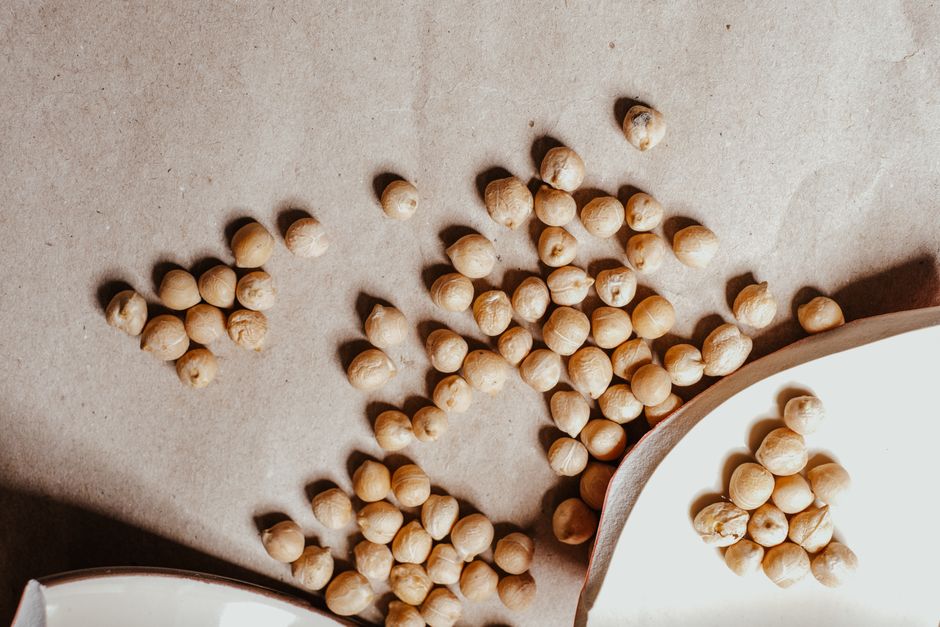
Lysine is abundant in legumes: lentils, chickpeas, soy, and beans. Grains like wheat and rice are low in lysine. If someone eats mostly grains and little legumes, lysine intake can fall short.
Methionine is the opposite. Grains and nuts tend to have more methionine, while legumes have less. This is why traditional diets pair grains with legumes — not because the combination is magic, but because the two food groups cover each other’s weak spots.
Other essential amino acids matter too, but they are usually easier to get. Leucine, for example, plays a role in muscle protein synthesis. Soy, quinoa, and some other plant proteins contain enough leucine to support muscle building when total protein is adequate.
Here is a non-obvious point: the “incomplete protein” label applied to individual plant foods is misleading. Almost all plant foods contain all nine essential amino acids. They are just lower in one or two. The label describes a food in isolation, not a diet.
How Much Protein Do Vegans Actually Need?
The general protein recommendation for adults is about 0.8 grams per kilogram of body weight per day. That figure comes from established dietary guidelines and applies to most healthy adults.
For vegans, some researchers suggest aiming higher — often cited as 1.0 to 1.1 grams per kilogram per day — because plant proteins are less digestible and lower in certain amino acids. This is a reasonable adjustment, though the exact figure is debated and not a formal guideline.
Protein needs rise with age, physical activity, and during recovery from illness or injury. Older adults generally need more protein than younger adults to maintain muscle. Athletes and people doing regular strength training need more than sedentary adults.
To put this in perspective, a 150-pound (68 kg) adult following the standard recommendation needs about 54 grams of protein per day. On the higher vegan estimate, that climbs to roughly 68 to 75 grams. Both are achievable with plant foods.
What Do Vegan Protein Sources Actually Provide?
The table below shows approximate protein content for common plant foods. Values are based on standard USDA nutritional data and are rounded.
| Food (cooked, 1 cup unless noted) | Protein (grams) |
|---|---|
| Lentils | 18 |
| Chickpeas | 15 |
| Firm tofu (1/2 cup) | 10 |
| Tempeh (1/2 cup) | 15 |
| Edamame | 17 |
| Quinoa | 8 |
| Peanut butter (2 tbsp) | 7 |
| Oats (1/2 cup dry) | 5 |
| Soy milk (1 cup) | 7 |
Soy stands out among plant proteins. It is a complete protein with a digestibility and amino acid profile closer to animal protein than most plants. Tofu, tempeh, edamame, and soy milk are all strong options.
Seitan, made from wheat gluten, is high in protein but low in lysine. It works well when paired with legumes. Nuts and seeds add protein but in smaller amounts, so they are supporting players rather than main sources.
Does Protein Combining At Every Meal Matter?
No. The idea that you must combine complementary proteins at every meal is outdated. It came from research on specific populations and was later overstated in popular nutrition advice.
The body maintains a pool of free amino acids and draws on it throughout the day. Eating rice at lunch and beans at dinner still provides both sets of amino acids. Timing across meals is not the issue.
What matters more is getting enough total protein and enough variety. A vegan who eats legumes, grains, nuts, seeds, and soy across the day will almost always cover all essential amino acids without thinking about pairing.
The exception is people eating very restricted diets — for example, only fruit, or only a few staple foods due to poverty or food insecurity. In those cases, amino acid gaps become a genuine risk.
Who Is Most At Risk For Protein Problems On A Vegan Diet?
Certain groups face higher risk of inadequate protein or amino acid intake. These are not reasons a vegan diet cannot work, but they are situations that need attention.
- Older adults: Higher protein needs and reduced appetite can make hitting targets harder.
- Athletes and heavy exercisers: Increased protein needs for muscle repair and growth.
- Pregnant and breastfeeding women: Higher protein demands. No specific vegan protein guidelines exist for these groups, so working with a clinician or dietitian is important.
- Children and teens: Growth increases protein needs. No separate vegan protein guidelines exist for children, so professional guidance is recommended.
- People with very restricted diets: Limited food variety raises the risk of amino acid gaps.
- Anyone eating too few calories: Protein intake drops when overall food intake drops.
Symptoms of inadequate protein can include muscle loss, fatigue, weakness, slower wound healing, and increased infections. These symptoms are not specific to protein — they overlap with many other conditions — so they should be evaluated by a clinician rather than self-diagnosed.
What Does The Evidence Say About Vegan Protein Quality?
Research consistently shows that well-planned vegan diets can meet protein and amino acid needs. The key phrase is “well-planned.”
Studies comparing vegans and non-vegans generally find that vegans who eat varied diets have adequate protein intake. Some studies show slightly lower protein intake among vegans, but usually within acceptable ranges.
The evidence on long-term muscle health, strength, and recovery in vegans is more mixed. Some studies suggest vegans can build and maintain muscle as well as non-vegans when protein intake is adequate. Other studies show small differences that may relate to total protein, leucine, or other factors.
What is clear is that plant protein is not inferior in a way that makes a vegan diet unworkable. It requires more attention to quantity and variety. The gap is in planning, not in biology.
Frequently Asked Questions
Can vegans get enough protein without supplements?
Yes, vegans can meet protein needs through food alone by eating a variety of legumes, grains, soy, nuts, and seeds. Protein supplements are optional and mainly useful for athletes or people with high needs.
Do you need to combine beans and rice at the same meal?
No, the body pools amino acids across the day, so combining at every meal is not necessary. Eating a variety of plant proteins over the course of a day covers essential amino acids.
What are the symptoms of protein deficiency in vegans?
Symptoms can include muscle loss, fatigue, weakness, and slow wound healing, but these overlap with many other conditions. A clinician should evaluate symptoms rather than self-diagnosing protein deficiency.
Is soy protein as good as animal protein?
Soy is a complete protein with a digestibility and amino acid profile closer to animal protein than most plant foods. It is one of the strongest plant protein sources available.
