
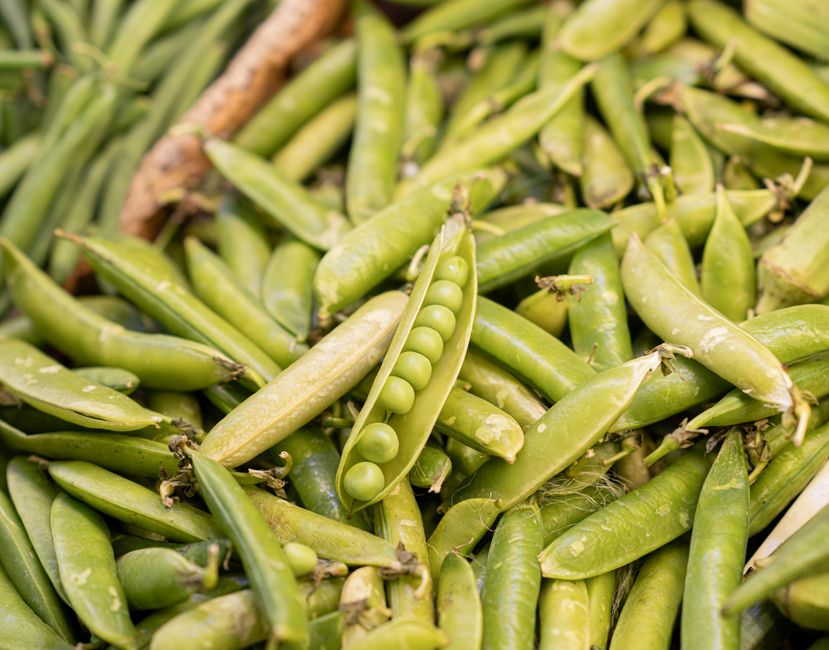
If you are looking to add more protein to your meals without relying only on meat, eggs, or dairy, several vegetables can help. The highest-protein vegetables include soybeans and edamame, green peas, lentils, chickpeas, and lima beans, followed by vegetables like spinach, broccoli, and mushrooms, which contain smaller but still meaningful amounts.
Plant foods do not always carry the same protein punch as animal foods, but some vegetables come surprisingly close. The list below covers the vegetables with the most protein per serving, explains how much you actually get, and looks at how these foods fit into a balanced diet.
What Vegetables Are High In Protein Full List?
Legumes lead the list by a wide margin. Soybeans, lentils, and beans are technically vegetables in everyday cooking, even though botanists classify them as legumes. They deliver far more protein per serving than leafy greens or root vegetables.
Here is a practical list, with protein amounts based on standard USDA nutrient data for cooked, unsalted versions unless noted.
| Vegetable | Protein (per 1 cup cooked) |
|---|---|
| Soybeans (edamame) | About 18 grams |
| Lentils | About 18 grams |
| Chickpeas | About 14.5 grams |
| Lima beans | About 14.5 grams |
| Green peas | About 8 grams |
| Spinach | About 5 grams |
| Broccoli | About 3.7 grams |
| Mushrooms (white) | About 2 to 3 grams |
| Kale | About 2.5 grams |
| Potato (with skin) | About 3 grams |
These numbers vary a little depending on how the vegetable is cooked and how much water it holds. Boiling can lower protein density slightly because water dilutes the food, while roasting concentrates it. The differences are small and not worth worrying about.
One point worth making clear: soybeans and lentils are legumes, not vegetables in the botanical sense. In nutrition and cooking, they are usually grouped with vegetables because they are plant foods eaten as sides or in main dishes. If you are searching for high-protein vegetables, these are the ones that matter most.
How Much Protein Do You Actually Need?
Protein needs depend on body weight, activity level, and overall health. A common reference point is 0.8 grams of protein per kilogram of body weight per day for the average sedentary adult. For someone who weighs 70 kilograms (about 154 pounds), that works out to roughly 56 grams per day.
People who are physically active, pregnant, breastfeeding, or recovering from illness often need more. Older adults may also need somewhat more to help preserve muscle mass, though exact recommendations vary by health status and are best discussed with a clinician.
The key takeaway is that vegetables alone are unlikely to meet all your protein needs unless you eat large amounts of legumes. But they can contribute a meaningful share, especially when combined with other protein sources throughout the day.
Are Legumes Really Vegetables?
This is a common source of confusion. Botanically, a vegetable is any edible part of a plant, while a legume is the seed or pod of a plant in the Fabaceae family. By that definition, beans, lentils, and peas are legumes, not vegetables.
In everyday nutrition and cooking, though, the lines blur. The USDA groups beans and peas in both the vegetable and protein food categories. That dual classification reflects how people actually eat them — sometimes as a side dish, sometimes as the main protein.
For practical purposes, if you are looking for plant-based protein, legumes are the most reliable vegetable-group source. They also bring fiber, folate, iron, and potassium to the plate.



Do Leafy Greens and Other Vegetables Provide Enough Protein?
Leafy greens and most other vegetables contain protein, but in smaller amounts. Spinach, for example, offers about 5 grams per cooked cup. Broccoli and kale fall in the 2 to 4 gram range. These are useful contributions, but they will not carry your daily protein needs on their own.
That said, vegetables add up. If you eat several servings of different vegetables across the day, the total can reach 10 to 15 grams or more, depending on choices. Pairing them with legumes, whole grains, nuts, seeds, eggs, or meat makes it easy to hit your target.
One non-obvious point: the protein in vegetables is often incomplete on its own, meaning it may be low in one or more essential amino acids. But you do not need to combine specific foods at every meal. Eating a variety of plant proteins across the day generally covers your amino acid needs.
How Should You Use High-Protein Vegetables in Meals?
High-protein vegetables fit into almost any meal pattern. Lentils and chickpeas work well in soups, stews, salads, and grain bowls. Edamame makes a simple snack or side. Green peas can be added to pasta, rice, or stir-fries for a protein and fiber boost.
For people following vegetarian or vegan diets, legumes are a core protein source. Combining them with whole grains, nuts, and seeds helps ensure a full amino acid profile. For everyone else, they are an easy way to add protein, fiber, and micronutrients without much effort.
Cooking method matters less than total intake. Canned beans and lentils are convenient and nutritionally similar to cooked dried versions, though they can be higher in sodium. Rinsing canned beans can reduce some of that sodium if you are watching your intake.
What About Protein Quality and Digestibility?
Plant proteins are generally less digestible than animal proteins, meaning your body absorbs a slightly lower percentage of the protein they contain. Legumes also contain compounds like phytates and tannins that can reduce protein absorption somewhat.
This does not mean plant proteins are inferior for health. It simply means you may need to eat a bit more of them to get the same usable protein. Soaking, cooking, and fermenting legumes can improve digestibility.
Soy is a notable exception. Soy protein is considered a complete protein and is well digested, which is one reason it is widely used in plant-based products. Research has consistently shown soy protein supports muscle building when eaten in adequate amounts.
Are There Risks or Downsides to Eating More Legumes?
For most people, legumes are safe and well tolerated. Some people experience gas, bloating, or digestive discomfort when they first increase their intake. This usually improves as the gut adapts, and starting with smaller portions can help.
People with certain medical conditions, such as kidney disease, may need to manage protein and potassium intake carefully. If you have a health condition that affects diet, talk with your doctor or a registered dietitian before making big changes.
Legumes also contain lectins, which can cause digestive issues if eaten raw or undercooked. Cooking destroys most lectins. Canned and fully cooked legumes are safe.
Can Vegetables Replace Meat as a Protein Source?
For most people, vegetables and legumes can replace some but not all meat in the diet. Legumes can serve as the main protein in many meals, especially when combined with grains and other plant foods.
Whether a fully plant-based diet meets all your needs depends on planning. Well-planned vegetarian and vegan diets can meet protein needs, according to major nutrition organizations. Poorly planned ones may fall short, particularly in vitamin B12, iron, and omega-3 fats.
If you are considering cutting back on meat, focus on variety. Rotate beans, lentils, soy foods, whole grains, nuts, and seeds. This approach supports protein intake and overall nutrient coverage.
Which Vegetables Have the Most Protein Per Calorie?
Spinach, broccoli, mushrooms, and green peas offer a strong protein-to-calorie ratio. They provide protein with very few calories, which can be helpful if you are managing weight.
Legumes are higher in calories but also higher in protein. A cup of lentils has about 230 calories and 18 grams of protein. A cup of spinach has about 7 calories and 5 grams of protein. Both are useful, depending on your goals.
There is no single best vegetable. The best choice is the one you will actually eat regularly as part of a varied diet.
Frequently Asked Questions
Which vegetable has the most protein?
Soybeans and edamame contain the most protein among vegetables, with about 18 grams per cooked cup. Lentils are close behind at roughly the same amount.
Can I get enough protein from vegetables alone?
It is possible if you eat large amounts of legumes and combine them with grains, nuts, and seeds. Most people find it easier to include some animal or soy protein as well.
Are beans and lentils vegetables?
Botanically they are legumes, not vegetables. In nutrition and cooking, they are often grouped with vegetables and also counted as protein foods.
How much protein is in a cup of broccoli?
A cooked cup of broccoli has about 3.7 grams of protein. It is not a major protein source on its own but adds up when combined with other foods.
