
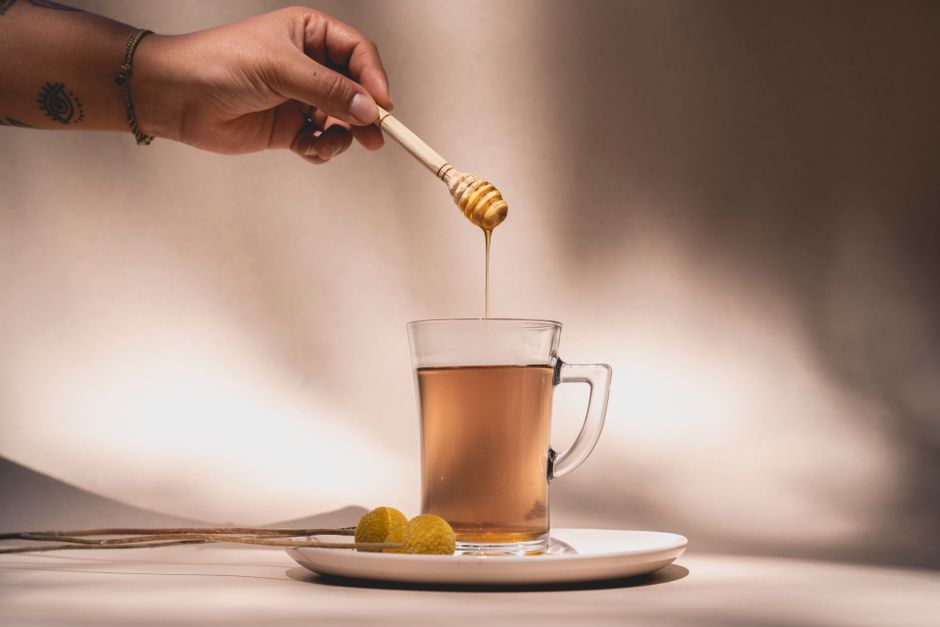
Most vegans do not eat honey. Veganism is defined by avoiding all animal products, and honey is produced by bees, which are animals. While some people who follow a plant-based diet for health reasons may choose to include honey, strict vegans avoid it because the commercial honey industry involves managing and exploiting bees. The decision ultimately comes down to how an individual defines veganism and where they draw the line on animal use.
What Is the Official Vegan Position on Honey?
The most widely recognized vegan organizations define veganism as a philosophy that seeks to exclude all forms of exploitation of, and cruelty to, animals for food, clothing, or any other purpose. Honey is an animal product, so it does not fit within that definition.
The Vegan Society, which coined the term “vegan” in 1944, has consistently stated that honey is not vegan. This position is based on the belief that bees are sentient beings with their own interests, and that taking their honey interferes with their natural behavior and food supply.
This is not a fringe view. Major vegan certification programs, including the Vegan Action label and the Vegan Society trademark, do not certify products containing honey. If a product has an official vegan certification logo, it will not contain honey.
Why Do Vegans Consider Honey an Animal Product?
Honey is made by bees from flower nectar. Worker bees collect nectar, bring it back to the hive, and transform it into honey through a process of regurgitation and evaporation. The honey serves as the colony’s food source, especially during winter when flowers are scarce.
Bees are animals. They belong to the class Insecta, and they share biological characteristics with other animals, including a nervous system and the ability to sense their environment. Since veganism excludes animal products by definition, honey falls outside the acceptable category.
Some people argue that bees are insects and therefore different from mammals or birds. But veganism is not limited to protecting only certain types of animals. The core principle is avoiding harm to all sentient beings, and many vegans believe bees qualify as sentient.
How Is Commercial Honey Produced?
Understanding the commercial honey industry helps explain why vegans object to it. In large-scale beekeeping, bees are kept in artificial hives and managed for maximum honey production. Beekeepers often replace the natural honeycomb with movable frames that make harvesting easier.
When beekeepers collect honey, they typically remove the frames and use a centrifuge to spin the honey out. This process can injure or kill bees that are on the frames. Beekeepers also frequently replace the honey with sugar water or corn syrup, which is nutritionally inferior for the bees.
In some commercial operations, bees are transported long distances to pollinate crops. This travel can stress and kill bees. Queen bees are often artificially inseminated, and their wings may be clipped to prevent them from leaving the hive. Many beekeepers also cull hives after the honey season because maintaining them through winter is not cost-effective.
These practices are the basis for the vegan objection. The issue is not just that honey is an animal product, but that its production involves treating bees as tools rather than as living beings with their own needs.



Do All Vegans Agree on This?
No. The vegan community has internal debate about honey, though the majority position is to avoid it. Some vegans argue that beekeeping can be done ethically, especially in small-scale operations where bees are allowed to keep enough honey for themselves and are not harmed during harvest.
Others point out that honeybees are not endangered and that some beekeeping practices actually support local bee populations. They argue that avoiding honey does not help bees and may even reduce the number of hives in an area.
These arguments have some merit, but they do not change the fundamental definition. Veganism is about avoiding animal exploitation, not about whether a particular practice helps or harms a species overall. Even if a beekeeper treats their bees well, the bees are still being kept for human use, and their honey is being taken from them.
There is also a distinction between ethical beekeeping and commercial beekeeping. Small-scale beekeepers who prioritize bee welfare exist, and some vegans are comfortable supporting them. But the vast majority of honey sold in supermarkets comes from large commercial operations, which is why most vegans simply avoid honey altogether.
What About Plant-Based Diets vs. Veganism?
The terms “plant-based” and “vegan” are often used interchangeably, but they are not the same thing. A plant-based diet focuses on eating foods derived from plants, but it does not necessarily carry the ethical commitments of veganism.
Someone who follows a plant-based diet for health reasons may eat honey. Honey is a natural sweetener and contains trace amounts of vitamins and minerals, though the amounts are too small to matter nutritionally. Some health-focused eaters see honey as a better alternative to refined sugar.
A vegan, by contrast, avoids honey for ethical reasons, not nutritional ones. The distinction matters because it explains why two people who appear to eat similar diets may make different choices about honey.
If you see a product labeled “plant-based” that contains honey, that is not a contradiction. But if you see a product labeled “vegan” that contains honey, that label is being used incorrectly.
What Do Vegans Use Instead of Honey?
There are many plant-based sweeteners that work well as honey substitutes. The most common options include:
- Maple syrup — made from the sap of maple trees, with a distinct flavor that works in baking and cooking
- Agave nectar — derived from the agave plant, with a mild flavor and similar consistency to honey
- Brown rice syrup — made from fermented cooked rice, with a less sweet taste
- Date syrup — made from dates, with a rich caramel-like flavor
- Molasses — a byproduct of sugar refining, with a strong, robust flavor
Each of these substitutes behaves differently in recipes. Agave nectar is the closest to honey in terms of sweetness and consistency. Maple syrup is thinner and has a stronger flavor. Brown rice syrup is less sweet and thicker, making it useful in recipes where you want a mild sweetness.
For baking, these substitutes generally work at a one-to-one ratio with honey, though you may need to adjust other liquids in the recipe. Honey is hygroscopic, meaning it attracts moisture, so baked goods made with honey tend to stay moist longer. Plant-based substitutes do not always have the same effect.
There are also commercial vegan honey alternatives made from apples, flowers, or other plant ingredients. These products are formulated to mimic the taste and texture of honey and are available in many natural food stores.
Is Honey Healthier Than Sugar?
Honey and sugar are both primarily made of glucose and fructose. Honey has trace amounts of antioxidants and enzymes, but the quantities are too small to have a meaningful health effect. The World Health Organization recommends limiting added sugars, including honey, to less than 10% of daily calories.
Honey is slightly sweeter than sugar, so you can use less of it to achieve the same sweetness. However, honey has slightly more calories per teaspoon than sugar. The nutritional differences between honey and sugar are negligible in the amounts people typically consume.
For people managing diabetes, honey and sugar affect blood glucose similarly. Honey has a slightly lower glycemic index than table sugar, but the difference is not large enough to make honey a recommended sweetener for blood sugar control.
The main health concern with honey is infant botulism. Honey can contain spores of Clostridium botulinum, which can cause serious illness in infants under one year old. The American Academy of Pediatrics advises against giving honey to infants under 12 months of age. This applies to all honey, including raw and organic honey.
Frequently Asked Questions
Why is honey not considered vegan?
Honey is produced by bees, which are animals, and veganism excludes all animal products. Commercial honey production also involves practices that many vegans consider exploitative, such as replacing honey with sugar water and injuring bees during harvest.
Can vegans eat honey if it is ethically sourced?
Some vegans make an exception for small-scale beekeeping where bees are well cared for and allowed to keep enough honey for themselves. However, strict vegans avoid all honey regardless of the source because the bees are still being kept for human use.
What is the best vegan substitute for honey?
Agave nectar is the closest substitute in terms of sweetness and texture. Maple syrup, date syrup, and brown rice syrup also work well depending on the recipe and the flavor profile you want.
Is honey healthier than white sugar?
Honey and sugar have nearly identical nutritional profiles, with honey containing only trace amounts of antioxidants. Both should be limited as added sugars, and neither offers a meaningful health advantage over the other.
