
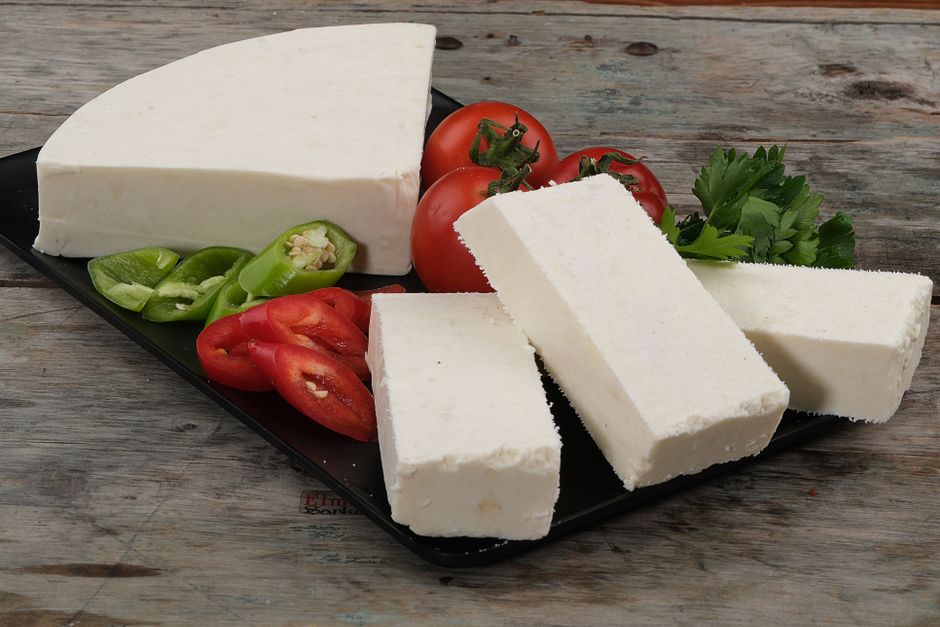
Cottage cheese has become a staple in many American kitchens, often praised as a high-protein snack. But a common question keeps coming up: is it a “complete” protein? The answer is yes. Cottage cheese contains all nine essential amino acids your body cannot make on its own, which makes it a complete protein by definition. This matters because your body needs these building blocks for muscle repair, enzyme production, and countless other daily functions.
What Does Complete Protein Actually Mean?
Proteins are made of smaller units called amino acids. Your body uses 20 of them to build and repair tissue. Nine of these are called essential because your body cannot produce them. You must get them from food.
A complete protein contains all nine essential amino acids in adequate amounts. An incomplete protein is low in one or more of these essential amino acids. This is a straightforward nutritional classification, not a judgment of food quality.
Many animal foods — meat, eggs, fish, dairy — are complete proteins. Most plant foods are incomplete, though there are exceptions like soy and quinoa. Cottage cheese fits firmly in the complete category because it comes from dairy.
Is Cottage Cheese A Complete Protein Yes Heres Why
Cottage cheese is a dairy product made from the curds of cow’s milk. Because it originates from milk, it contains the same amino acid profile as other dairy proteins. Casein is the dominant protein in milk, and cottage cheese is rich in it.
Casein is a high-quality protein. It supplies all nine essential amino acids. This makes cottage cheese a complete protein in the same way that milk, yogurt, and cheese are complete proteins.
One distinction worth noting: cottage cheese is not quite as protein-dense as Greek yogurt or whey powder per serving, but it is still a solid source. The exact protein content varies by brand and milk fat percentage. A typical half-cup serving provides roughly 11 to 14 grams of protein. The amino acid profile remains complete regardless of fat content.
How Does Cottage Cheese Compare To Other Proteins?
Cottage cheese holds up well against other common protein sources. It is not the highest-protein option, but it is a practical one. It is versatile, affordable, and requires no cooking.
| Food (per 100g) | Approximate Protein | Complete Protein? |
|---|---|---|
| Cottage cheese (low-fat) | 11 g | Yes |
| Greek yogurt (non-fat) | 10 g | Yes |
| Chicken breast | 31 g | Yes |
| Egg | 13 g | Yes |
| Lentils (cooked) | 9 g | No |
| Almonds | 21 g | No |
This table uses approximate values from standard USDA nutrient data. Exact numbers vary by specific product and preparation. The point is that cottage cheese is a legitimate complete protein, though not the most concentrated one available.




Why Does Complete Protein Matter For Muscle And Recovery?
Your muscles rely on a steady supply of amino acids. When you exercise, you create small tears in muscle fibers. Your body repairs these tears using amino acids from dietary protein. If one essential amino acid is missing, that repair process slows down.
Cottage cheese is especially interesting for this purpose because of its casein content. Casein digests slowly. This means amino acids enter your bloodstream gradually over several hours. Some research suggests this slow release supports overnight muscle recovery. Many athletes eat cottage cheese before bed for this reason.
That said, the difference between fast-digesting and slow-digesting proteins matters less than total daily protein intake. For most people, hitting an adequate total protein target each day matters more than timing or protein type. Cottage cheese can be part of that total, but it is not magic.
Are There Any Downsides To Eating Cottage Cheese?
Cottage cheese is not the right choice for everyone. People with lactose intolerance may experience bloating, gas, or digestive discomfort. Interestingly, cottage cheese contains less lactose than milk because much of the lactose drains off with the whey during production. Some people with mild lactose intolerance tolerate it fine. Others do not.
Sodium is another consideration. Cottage cheese is often salted during production. A half-cup serving can contain 300 to 400 milligrams of sodium. If you are watching your blood pressure or salt intake, check the label. Low-sodium versions are available.
Full-fat cottage cheese is higher in saturated fat than low-fat versions. Current dietary guidance recommends limiting saturated fat, but the evidence on dairy fat and heart disease is more nuanced than older recommendations suggested. Moderate consumption is reasonable for most people. If you have high cholesterol or heart disease risk, discuss your dairy choices with your doctor.
How To Add Cottage Cheese To Your Diet
Cottage cheese is more versatile than many people realize. It works in sweet and savory dishes alike. Here are practical ways to use it:
- Eat it plain with black pepper or hot sauce for a savory snack.
- Blend it into smoothies for added creaminess and protein.
- Use it as a base for dips instead of sour cream.
- Spread it on toast with sliced tomatoes and herbs.
- Mix it with fruit like pineapple, berries, or peaches for a sweet option.
- Add it to scrambled eggs for extra fluffiness and protein.
- Use it in lasagna or stuffed shells in place of ricotta.
These are practical suggestions, not medical advice. The best way to eat cottage cheese is the way you will actually enjoy and repeat. Consistency matters more than novelty.
What About Plant-Based Protein Combining?
The old idea of “protein combining” — eating rice and beans together at the same meal to make a complete protein — has been largely revised. Your body pools amino acids from foods eaten over the course of a day. You do not need to combine incomplete proteins at every single meal.
That said, if you primarily eat plant proteins, you need to eat a variety of them across the day to get all essential amino acids. Cottage cheese is not relevant to this strategy because it is an animal product. Vegetarians who eat dairy can rely on it as a complete protein source. Vegans cannot.
For vegans, complete protein sources include soy products like tofu and tempeh, quinoa, and hemp seeds. These are the exceptions in the plant world. Most other plant proteins are incomplete on their own, but complementary when eaten across the day.
Is Cottage Cheese Better Than Other Dairy Proteins?
Greek yogurt and cottage cheese are often compared. Both are complete proteins. Greek yogurt generally has more protein per serving and contains probiotics, which support gut health. Cottage cheese has more casein and less sugar, especially compared to flavored yogurts.
Neither is objectively better. The choice depends on your goals, taste preferences, and digestive tolerance. If you want maximum protein per calorie, Greek yogurt wins. If you want a slow-digesting protein option or a savory snack, cottage cheese is the better fit.
Regular yogurt, milk, and cheese are also complete proteins. The dairy category as a whole delivers high-quality amino acids. Cottage cheese is not unique in this regard, but it is a convenient and affordable option that fits many eating patterns.
How Much Cottage Cheese Should You Eat?
There is no specific recommended serving of cottage cheese for general health. The amount that makes sense depends on your total protein needs, which vary by body weight, activity level, and health goals. General dietary guidance suggests most adults need roughly 0.8 grams of protein per kilogram of body weight per day. Athletes and older adults may need more.
A half-cup to one cup of cottage cheese is a reasonable serving for most people. That provides roughly 11 to 28 grams of protein depending on the brand and amount. This is not a prescription. It is simply a practical range based on typical portion sizes.
If you have kidney disease or another condition that requires protein restriction, talk to your doctor before increasing your protein intake. For everyone else, cottage cheese is a safe and nutritious food that can be part of a balanced diet.
Frequently Asked Questions
Is cottage cheese a complete protein?
Yes, cottage cheese is a complete protein because it contains all nine essential amino acids. This comes from its dairy origin and casein protein content.
How much protein is in cottage cheese?
A half-cup serving of cottage cheese typically provides 11 to 14 grams of protein. Exact amounts vary by brand and milk fat percentage.
Can you eat cottage cheese every day?
Yes, most healthy adults can eat cottage cheese daily as part of a balanced diet. Watch sodium content if you have high blood pressure, and choose low-sodium versions if needed.
Is cottage cheese good for building muscle?
Yes, cottage cheese supports muscle building because it is a complete protein rich in casein. The slow digestion of casein makes it useful for overnight recovery.
