
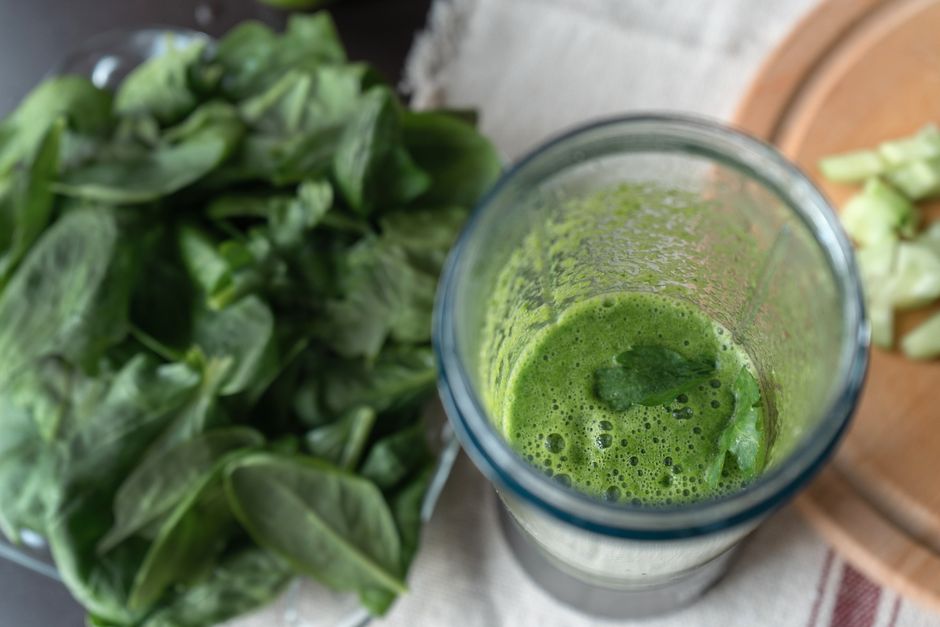
Yes, spinach can give you gas. This is not a myth or a rare side effect. It is a normal response to eating a leafy green that is high in fiber and certain sugars. For many people, the gas is mild and temporary. For others, especially those not used to high-fiber foods, it can be uncomfortable. This article explains exactly why it happens, what the research says, and what you can do about it.
Why Does Spinach Cause Gas?
Spinach contains two main things that lead to gas. The first is fiber. One cup of cooked spinach has about 4 grams of fiber. Your body cannot digest fiber. Instead, it travels to your large intestine where bacteria break it down. This process creates gas as a byproduct.
The second is a type of sugar called raffinose. Spinach is not the only food with raffinose. Beans, broccoli, and cabbage also have it. Humans lack the enzyme needed to break raffinose down in the small intestine. So it also reaches the large intestine undigested. Bacteria there ferment it, producing hydrogen, methane, and carbon dioxide. That is the gas you feel.
Some people also react to the oxalates in spinach. Oxalates are natural compounds that can irritate the gut in sensitive individuals. While oxalates are not a direct cause of gas for most people, they can contribute to bloating and discomfort that feels like gas.
Do Spinach Give You Gas More Than Other Greens?
Spinach is not the worst offender among leafy greens, but it is not the mildest either. Research shows that the gas-producing effect of any vegetable depends on its fiber type and sugar content. Spinach has moderate amounts of both.
Kale and collard greens have more fiber per cup than spinach. They can cause more gas. Lettuce and arugula have less fiber. They cause less gas. Spinach sits in the middle. A 2017 study in the journal Nutrients looked at how different vegetables affect digestion. Spinach was ranked as a moderate gas producer compared to other greens.
If you are sensitive to gas, you may notice more of a reaction to cooked spinach than raw spinach. Cooking breaks down some of the cell walls, making the fiber more available to gut bacteria. That can mean more fermentation and more gas.
What Does the Research on Spinach and Digestion Show?
Several studies have looked at how spinach affects gut health. A 2015 study published in the Journal of Agricultural and Food Chemistry found that spinach contains compounds that can support healthy gut bacteria. The fiber in spinach acts as a prebiotic. Prebiotics feed the good bacteria in your gut. This is a positive effect, even if it comes with temporary gas.
Research from the American Gastroenterological Association confirms that gas from high-fiber vegetables is normal and not a sign of a problem. The gas usually peaks within a few hours of eating and fades as your digestive system adapts.
One thing the research does not show is that spinach causes gas for everyone. Individual tolerance varies. People with irritable bowel syndrome or other digestive conditions may react more strongly. A 2019 review in Gastroenterology & Hepatology noted that people with IBS often have a lower threshold for gas pain, even when the amount of gas produced is normal.





How to Reduce Gas from Eating Spinach
If you enjoy spinach but want less gas, there are practical steps that work. Your body can adapt over time. Here is what the evidence supports:
- Start small. If you are not used to high-fiber foods, begin with a quarter cup of cooked spinach. Gradually increase the amount over two weeks. This gives your gut bacteria time to adjust.
- Cook it thoroughly. Cooking spinach reduces its volume significantly. You can eat a larger portion with less fiber per bite. Steaming or sautéing for a few minutes is enough.
- Chew well. Digestion begins in your mouth. Chewing breaks down cell walls and mixes food with saliva enzymes. The better you chew, the less work your gut bacteria have to do.
- Pair it with digestive enzymes. Some people find that over-the-counter enzyme supplements containing alpha-galactosidase help break down raffinose. These are sold under brand names like Beano. They are not necessary for everyone but can help.
- Drink water. Fiber needs water to move through your digestive system. Dehydration can make gas and bloating worse.
Some people report that eating spinach with a source of fat, like olive oil or avocado, reduces gas. The fat slows digestion, which may give your body more time to process the fiber. This is widely claimed, though strong evidence is limited.
Comparing Spinach to Other Gas-Causing Foods
To give you a clearer picture, here is how spinach compares to other common foods that cause gas. The table is based on fiber content, raffinose content, and reported gas severity from dietary studies.
| Food | Fiber per Cup (cooked) | Raffinose Content | Typical Gas Severity |
|---|---|---|---|
| Spinach | 4 grams | Moderate | Mild to moderate |
| Kale | 5 grams | Moderate | Moderate |
| Broccoli | 5 grams | High | Moderate to high |
| Beans (kidney) | 13 grams | Very high | High |
| Lettuce (iceberg) | 1 gram | Low | Minimal |
Spinach is not the worst food for gas, but it is not benign either. If you are eating a diet low in fiber, even a small amount of spinach can cause noticeable gas. The good news is that your body adapts. Within a few weeks of regular consumption, the gas usually decreases.
Common Misconceptions About Spinach and Gas
There are several myths about spinach and gas that need clearing up. The first is that spinach is “hard to digest.” Spinach is not hard to digest. It contains compounds that your body cannot digest in the small intestine, but that is normal. The large intestine handles the rest. Difficulty digesting is not the same as gas production.
The second myth is that washing spinach removes the gas-causing compounds. Washing removes dirt and bacteria. It does not remove fiber or raffinose. Those are inside the plant cells. No amount of washing will change that.
The third myth is that only raw spinach causes gas. As noted earlier, cooked spinach can cause more gas because the fiber becomes more accessible to gut bacteria. This does not mean you should avoid cooked spinach. It just means you should expect a different response.
Some people also believe that adding lemon juice or vinegar to spinach stops gas. There is no clinical evidence that acidic dressings reduce gas production. They may help some people feel less bloated, but that is not the same as reducing the gas itself.
What to Avoid When Eating Spinach for Less Gas
Certain habits make spinach-related gas worse. Avoid eating a large portion of spinach on an empty stomach if you are sensitive. Starting your day with a big spinach smoothie can overwhelm your digestive system. Instead, eat spinach as part of a balanced meal with protein and fat.
Avoid combining spinach with other high-fiber foods in the same meal if you are new to fiber. A salad with spinach, beans, broccoli, and whole grains is a gas bomb. Your gut can handle those foods individually but not all at once. Space them out throughout the day.
Avoid drinking carbonated beverages with spinach. Carbonation adds gas to your stomach on top of the gas produced in your intestines. That doubles the discomfort. Still water is a better choice.
Do not rely on gas relief medications like simethicone as a long-term solution. Simethicone helps break up gas bubbles in your stomach but does not reduce the amount of gas produced in the colon. It can help with immediate discomfort but does not address the root cause.
Frequently Asked Questions
Does cooking spinach reduce gas?
Cooking spinach can make the fiber more available to gut bacteria, which may increase gas for some people. For others, the smaller volume of cooked spinach means they eat less fiber overall.
How long does spinach gas last?
Gas from spinach usually peaks within one to three hours after eating. It typically resolves on its own as the bacteria finish fermenting the fiber.
Can spinach cause bloating without gas?
Yes, some people feel bloated from spinach even without passing gas. This is often due to the oxalates in spinach irritating the gut lining or the fiber slowing digestion.
Is it safe to eat spinach every day if it gives me gas?
Yes, it is safe for most people. The gas is a normal response and usually decreases as your gut adapts. If the gas is painful or accompanied by other symptoms, check with a doctor.
