
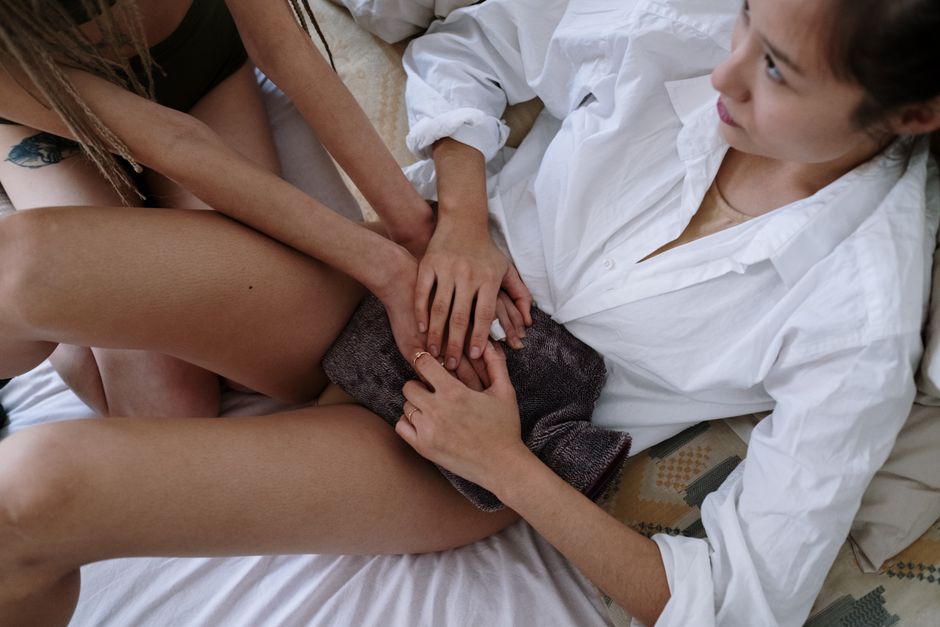
Millions of people deal with back pain every day, and many reach for a heating pad for relief. The short answer is yes, heating pads can help with back pain, especially for muscle tension and stiffness. They work by increasing blood flow to the area, which relaxes tight muscles and reduces pain signals. But they are not a fix for everything, and knowing when and how to use them makes the real difference.
How Exactly Does Heat Help Back Pain?
Heat therapy works on a simple principle. When you apply heat to sore muscles, blood vessels widen. This process is called vasodilation. More blood flows into the area, bringing oxygen and nutrients that help muscles relax and repair.
The warmth also calms nerve endings. Pain signals travel slower when heat is present. This is why a heating pad can make a stiff back feel looser within minutes. The effect is mostly on surface muscles and soft tissue. It does not fix problems with bones or nerves.
Research shows that heat therapy can reduce pain intensity by a noticeable amount. A 2014 review in the journal Spine found that heat wrap therapy provided significant pain relief for low back pain compared to no treatment. The effect was strongest for short-term muscle pain.
Heat is best for muscle spasms and general stiffness. If your back feels tight after sitting too long or after a workout, heat is a solid choice. It is not the right tool for sharp nerve pain or inflammation from a fresh injury.
Does Heat Work Better Than Ice for Back Pain?
This is one of the most common questions people ask. The answer depends on what is happening in your back.
Ice reduces inflammation and numbs sharp pain. It is best for acute injuries like a muscle strain that happened in the last 48 hours. Ice constricts blood vessels, which limits swelling and bruising.
Heat increases blood flow and relaxes muscles. It is better for chronic stiffness or pain that has been around for more than a few days. Heat also helps with muscle spasms that keep coming back.
Some studies suggest that heat is more effective than ice for low back pain in general. A 2006 study in the Clinical Journal of Pain compared heat therapy to ice therapy for low back pain. People who used heat reported better pain relief and more improvement in their daily function.
But this does not mean ice is useless. Many people benefit from alternating both. Use ice for the first 48 hours after an injury. Then switch to heat for ongoing muscle tightness.
A simple rule: if the area feels hot and swollen, use ice. If it feels tight and achy, use heat. If you are unsure, heat is usually the safer choice for common back pain.
What Type of Heating Pad Is Best for Back Pain?
Not all heating pads work the same way. Choosing the right type depends on your pain and how you plan to use it.
Electric heating pads are the most common. They plug into a wall outlet and provide steady, controlled heat. Most have multiple settings. Look for one with an auto shut-off feature. This prevents burns if you fall asleep while using it.
Moist heat pads are another option. They use steam or damp heat that penetrates deeper into muscles. Some people find moist heat more soothing than dry heat. You can buy moist heat packs that you heat in the microwave. Or you can simply place a damp towel between your skin and a dry heating pad.
Microwaveable heat packs are filled with rice, clay, or gel. They hold heat for about 20 to 30 minutes. They are portable and do not need electricity. The downside is that they cool down quickly and can get too hot if overheated in the microwave.
Infrared heating pads are newer. They use light waves to heat tissue more deeply. Some studies suggest infrared heat can reach muscles better than traditional pads. As of 2026, the evidence is still limited, but early research is promising.
Here is a quick comparison of the main types:
| Type | Best For | Drawback |
|——|———-|———-|
| Electric heating pad | Steady, long heat sessions | Needs an outlet |
| Moist heat pad | Deep muscle relaxation | Can be messy |
| Microwaveable pack | Portability and convenience | Cools down quickly |
| Infrared pad | Deeper tissue penetration | More expensive, less studied |
For most people, a standard electric heating pad with auto shut-off is the best starting point. It is reliable, safe, and easy to use.




How Long Should You Use a Heating Pad for Back Pain?
Timing matters more than most people realize. Using heat too long can cause burns or make pain worse.
The general recommendation is 15 to 20 minutes per session. This is enough time for blood vessels to widen and muscles to relax. Longer than 20 minutes increases the risk of skin damage, especially if you fall asleep on the pad.
You can use heat multiple times a day. Wait at least one hour between sessions. This gives your skin time to cool down and prevents overheating.
Never use a heating pad directly on bare skin. Always place a cloth or towel between the pad and your body. This reduces the risk of burns.
Do not use heat if you have numbness in your back. You might not feel the heat building up, and burns can happen without warning. Also avoid using heat on areas with poor circulation or open wounds.
If your pain gets worse after using heat, stop. Heat can sometimes increase inflammation if used too early after an injury. Listen to your body. It usually tells you what it needs.
When Should You Not Use a Heating Pad for Back Pain?
Heating pads are safe for most people, but there are situations where they can cause harm.
Do not use heat on a recent injury. If you hurt your back within the last 48 hours, ice is the better choice. Heat can increase swelling and make the injury worse.
Avoid using heat if you have a fever or an infection. Heat can spread infection to deeper tissues. If your back pain comes with redness, warmth, or a fever, see a doctor.
Do not use heat on areas with deep vein thrombosis or blood clots. Heat can loosen a clot, which could travel to your lungs or brain. This is rare but serious.
People with diabetes or heart disease should be cautious. These conditions can reduce sensation in the skin. You might not notice the pad getting too hot. Use a lower setting and limit sessions to 15 minutes.
Pregnant women should avoid prolonged heat on the lower back. High temperatures can affect the baby in early pregnancy. A short session on a low setting is usually fine, but ask your doctor first.
If you have a condition that causes numbness, like multiple sclerosis or neuropathy, be extra careful. You may not feel a burn developing until it is too late.
What Are Practical Tips for Using a Heating Pad Safely?
Using a heating pad correctly makes it safer and more effective. Here are the key points to remember:
- Always place a cloth or towel between the pad and your skin. Direct contact increases burn risk.
- Set the pad to medium or low. High heat is rarely necessary and increases danger.
- Use the auto shut-off feature. If your pad does not have one, set a timer for 20 minutes.
- Do not use a heating pad while sleeping. You cannot feel if it gets too hot.
- Check the pad for cracks or frayed wires before each use. Damaged pads can cause shocks or burns.
- Do not use a heating pad with creams or ointments that contain menthol or capsaicin. These ingredients can trap heat and cause burns.
- Stay hydrated. Heat therapy can cause mild fluid loss through sweating.
These steps are simple but easy to skip. Taking them seriously prevents most problems.
Can Heating Pads Replace Other Treatments for Back Pain?
No. Heating pads are a tool, not a cure. They help manage symptoms, but they do not fix the underlying cause of back pain.
Back pain often comes from weak muscles, poor posture, or disc problems. Heat will not strengthen your core or correct your posture. It will not heal a herniated disc or fix arthritis.
For lasting relief, combine heat therapy with other approaches. Gentle stretching helps maintain the flexibility that heat provides. Strengthening exercises for your back and core muscles reduce the chance of pain returning. Over-the-counter pain relievers like ibuprofen or acetaminophen can help when heat alone is not enough.
Some people find that heat works best before physical therapy or exercise. Warming up the muscles first makes stretching safer and more effective. This is a common strategy used by physical therapists.
If your back pain lasts more than a few weeks or gets worse, see a doctor. Heat can mask serious problems. You do not want to rely on a heating pad while a condition like sciatica or a fracture goes untreated.
Frequently Asked Questions
Can I use a heating pad while sleeping?
No. Sleeping with a heating pad increases the risk of burns because you cannot feel if it gets too hot. Use it for 15 to 20 minutes while awake.
Is it safe to use a heating pad every day?
Yes, for most people. Limit each session to 20 minutes and leave at least one hour between sessions. Stop if your skin becomes red or irritated.
Can a heating pad make back pain worse?
Yes, if used on a fresh injury or if you have inflammation. Heat can increase swelling in the first 48 hours. Switch to ice if heat makes your pain worse.
Does a heating pad help with sciatica pain?
It can help relax the muscles around the sciatic nerve, which may reduce pain. But heat does not treat the nerve itself. Stretching and seeing a doctor are usually needed for sciatica.
