
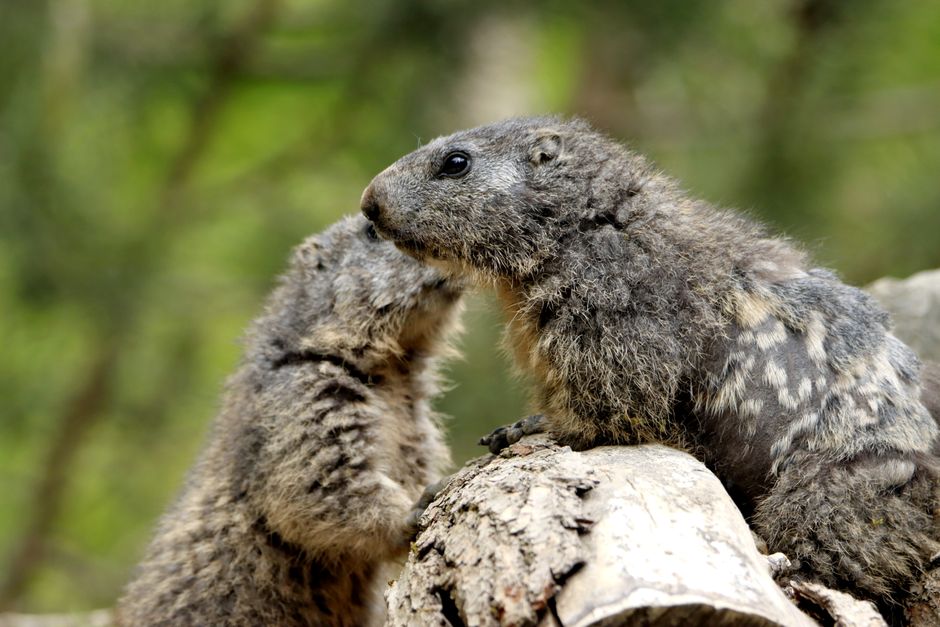
Groundhogs can bite, and they will when they feel cornered, threatened, or are protecting their young. Most bites happen when someone tries to handle a groundhog, trap it, or get too close to its burrow. If a groundhog bites you, wash the wound immediately with soap and warm water, apply pressure to stop any bleeding, and seek medical care the same day because the risk of infection and the need for a rabies evaluation are real concerns.
Do Groundhogs Bite People?
Yes, groundhogs bite. They are wild rodents with strong front teeth designed for chewing through roots and woody plants. Those same teeth can break human skin easily.
Groundhogs are not aggressive animals by nature. Their first instinct is almost always to run. A bite typically happens when a groundhog has no escape route. This occurs when someone blocks their path, tries to pick them up, or reaches into a burrow. A mother groundhog defending her babies is more likely to bite than a lone adult.
People often underestimate how fast a groundhog can move. They look slow and clumsy, but they can lunge quickly when frightened. The bite itself is a defensive action, not a hunting behavior. Groundhogs do not stalk or chase people.
What Does a Groundhog Bite Look Like?
A groundhog bite leaves two distinct puncture wounds from their upper incisors, sometimes with a matching set from the lower teeth. The wounds are often close together and can be deep even when they look small on the surface.
Because groundhogs have long front teeth, the puncture can go deeper than a typical cat or dog bite of similar size. The wound may bleed steadily at first, then slow to an ooze. Bruising and swelling around the bite are common within a few hours.
Look closely at the wound. If the skin is torn rather than punctured, the bite was likely a clamping motion rather than a quick snap. Torn wounds carry a higher risk of infection because more tissue is damaged and bacteria get pushed deeper.
What To Do Immediately After a Groundhog Bite
Act quickly. The first few minutes after a bite matter more than most people realize.
- Wash the wound with soap and warm water for at least five minutes. This is the single most important step to reduce infection risk.
- Apply firm pressure with a clean cloth to stop active bleeding.
- Pat the area dry and cover it with a sterile bandage or clean cloth.
- Do not put your mouth on the wound. Sucking out venom or bacteria is a myth and adds mouth bacteria to the injury.
- Do not use hydrogen peroxide or rubbing alcohol directly in the wound. These damage tissue and can slow healing. Plain soap and water is better.
Write down what happened. Note the time of the bite, what the groundhog looked like, and whether it appeared sick or behaved oddly. This information matters for your medical evaluation.




When To See a Doctor After a Groundhog Bite
See a doctor the same day as the bite. Do not wait to see if it heals on its own.
Groundhog mouths contain many bacteria. Their teeth are not clean, and the bacteria from their saliva can cause serious infections in human tissue. A study published in the journal Wilderness & Environmental Medicine documented that rodent bites, including groundhog bites, frequently require antibiotic treatment and sometimes surgical cleaning of the wound.
You should also seek medical care because of rabies. Groundhogs are mammals, and any mammal can carry rabies. That said, groundhogs are not a common rabies reservoir. In the United States, rabies is most often found in bats, raccoons, skunks, and foxes. Rodents like groundhogs rarely carry rabies, and there are no documented cases of groundhog-to-human rabies transmission in North America.
Despite that low risk, doctors may still recommend a rabies vaccine series depending on the circumstances. If the groundhog was acting strangely, was active during unusual hours, or cannot be tested, your doctor may err on the side of caution. This is a decision to make with a medical professional, not based on what you read online.
You may also need a tetanus booster. Tetanus shots are recommended every 10 years. If your last shot was more than 5 years ago and the bite is deep or dirty, your doctor may recommend a booster. This is a routine part of bite care.
What Infections Can You Get From a Groundhog Bite?
Bacterial infection is the main concern after any rodent bite. The bacteria in a groundhog’s mouth can include Pasteurella, Streptococcus, and Staphylococcus species. These can cause cellulitis, an infection of the deeper skin layers, or abscess formation.
Signs of infection include increasing redness around the wound, warmth, swelling, pus, red streaks moving up the limb, and fever. These symptoms can appear within 12 to 48 hours after the bite. If you notice any of them, return to a doctor immediately.
A less common but serious condition called rat-bite fever can occur after bites from some rodents. The bacteria Streptobacillus moniliformis causes this illness. It is more commonly associated with rat bites, but any rodent bite carries a theoretical risk. Symptoms include fever, rash, and joint pain, usually appearing 3 to 10 days after the bite.
No large human studies have confirmed how often groundhog bites specifically lead to infection. The evidence base is small. What is known is that wild animal bites in general carry a meaningful infection risk, and prompt wound cleaning plus medical evaluation is the standard recommendation.
How To Prevent Groundhog Bites
Prevention is straightforward: do not handle groundhogs. This applies even to baby groundhogs that look cute and helpless. A frightened juvenile can bite just as hard as an adult.
Give groundhogs space. If you see one in your yard, do not approach it. Do not try to chase it into a corner or block its path to its burrow. A groundhog that cannot escape will defend itself.
If a groundhog is living under your shed or deck, do not try to remove it yourself. Contact a licensed wildlife control professional. These experts have the training and equipment to handle wild animals safely. They can also identify whether the animal is sick or injured, which is information you want before deciding on next steps.
Keep pets away from groundhogs. Dogs and cats often try to chase or corner groundhogs, and the groundhog may bite the pet. A bite from a groundhog to a pet requires a veterinary visit for the same infection concerns that apply to humans.
Never feed groundhogs. Feeding wild animals teaches them to lose their natural fear of people. A groundhog that associates humans with food is more likely to approach, which increases the chance of an encounter ending in a bite.
Do Groundhogs Carry Diseases Other Than Rabies?
Groundhogs can carry several diseases that are transmissible to humans, though the actual risk from a single bite is low.
Tularemia is one to know about. This bacterial disease can be transmitted through bites, but more commonly through contact with contaminated soil or water. Symptoms in humans include fever, skin ulcers, and swollen lymph nodes. It is treatable with specific antibiotics, so mention the groundhog bite to your doctor if you develop any of these symptoms.
Groundhogs can also carry leptospirosis, a bacterial infection shed in urine. This is not typically transmitted through a bite, but rather through contact with water or soil contaminated by infected urine. If you have a groundhog living near your home, be aware of this risk when working in the yard.
Fleas and ticks on groundhogs can transmit diseases too. A groundhog bite itself is not the main risk here. The risk is that a tick or flea from the groundhog could transfer to you during the encounter. Check yourself for ticks after any close contact with a wild animal or its burrow area.
What Not To Do After a Groundhog Bite
Do not try to catch or kill the groundhog after it bites you. This puts you at risk for another bite and makes it impossible for authorities to test the animal if rabies testing becomes necessary.
Do not apply a tourniquet. Groundhog bites do not cause life-threatening bleeding. A tourniquet can cause more tissue damage than the bite itself.
Do not wait for symptoms before seeking care. By the time redness and swelling appear, an infection is already developing. Medical evaluation is a preventive step, not a treatment step.
Do not rely on home remedies. Applying honey, garlic, or essential oils to a bite wound has no evidence of preventing infection and can introduce additional bacteria. Stick with soap and water, then see a doctor.
Frequently Asked Questions
Can a groundhog bite break your finger?
Yes, a groundhog bite can break a finger bone, especially in children or older adults with thinner bone structure. Groundhogs have strong jaw muscles and long front teeth capable of generating significant pressure.
Do groundhogs attack humans unprovoked?
No, groundhogs do not attack humans without provocation. They bite only when they feel trapped, threatened, or are defending their young.
Should I get a rabies shot after a groundhog bite?
Your doctor will decide this based on the situation, but groundhogs rarely carry rabies. The decision depends on whether the animal can be tested and whether it showed signs of illness.
