
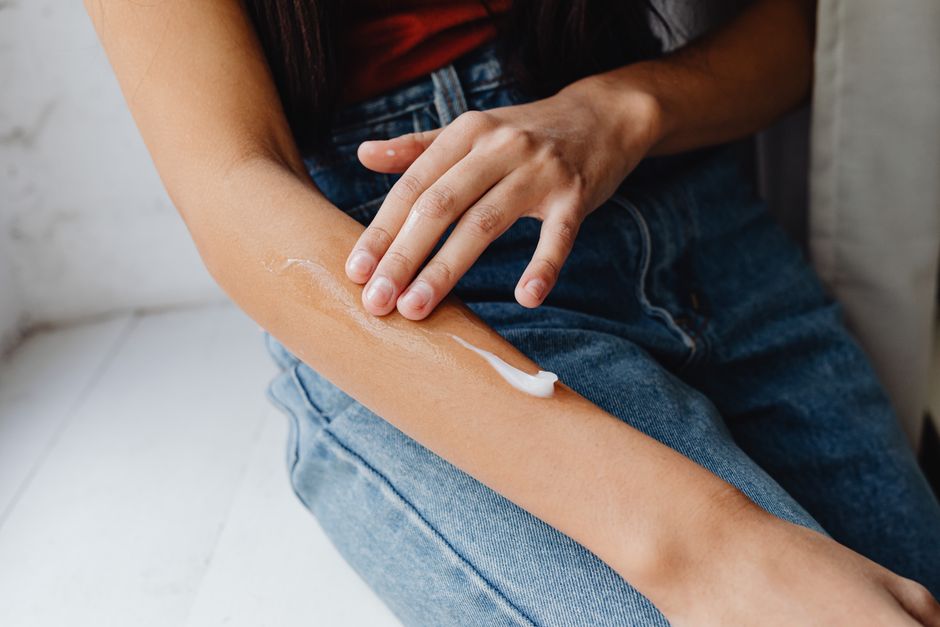
Fat burning creams promise to melt away stubborn fat simply by rubbing them on your skin. The direct answer is that no topical cream has been proven to permanently reduce or eliminate fat cells. While some creams may cause temporary skin tightening or a short-term reduction in measured circumference, these effects are mostly due to water loss and skin firming, not actual fat loss. If you are looking for a cream to spot-reduce fat in a specific area, the scientific evidence does not support that outcome.
How Do Fat Burning Creams Claim to Work?
Most fat burning creams rely on a few common active ingredients. Caffeine is one of the most frequent. The theory is that caffeine dehydrates fat cells and stimulates blood flow. Another common group is called “warming” agents, like capsaicin from chili peppers. These create a sensation of heat that is often mistaken for metabolic activity.
Other formulas include herbs like forskolin or seaweed extracts. Some creams promise to “break down” fat through enzymes. The marketing language often sounds scientific, but the reality is that skin is a strong barrier. Only a very small amount of any topical ingredient is absorbed deep enough to reach fat tissue.
Even if an ingredient did reach the fat cells, it would need to travel through the bloodstream or lymphatic system to be processed. Rubbing a cream on your thigh does not change how your body burns or stores energy in that specific location.
What the Research Actually Shows
Clinical studies on topical fat reduction creams are limited. Some research suggests that certain formulations can reduce thigh circumference temporarily. However, these studies are often small, short-term, and funded by the companies that make the products. That creates a clear conflict of interest.
The measured reductions are typically modest. A cream might reduce thigh circumference by a fraction of an inch over several weeks. This is often due to skin dehydration and a temporary tightening effect. Once you stop using the cream and your skin rehydrates, the measurement often returns to baseline.
No credible study has shown that a topical cream permanently removes fat cells. Fat loss requires your body to break down stored triglycerides and use them for energy. This is a systemic metabolic process. It cannot be triggered locally by a cream.
Why Skin Tightening Is Not the Same as Fat Loss
Some creams contain ingredients that firm or plump the skin. Collagen, elastin, and certain peptides can improve skin appearance. When skin is firmer, an area may look smoother and slightly smaller. This is a cosmetic effect, not a fat-reducing effect.
This distinction matters. If a cream makes your skin feel tighter, you may think it is working. But the underlying fat layer is unchanged. The visual difference is often subtle and temporary. It is similar to how a cold compress can temporarily reduce puffiness under your eyes. The puffiness returns once the effect wears off.





Do Fat Burning Creams Work for Cellulite?
Cellulite is a different condition from excess fat. It occurs when fibrous bands pull the skin down while fat pushes up against it. This creates the dimpled appearance. Cellulite can affect people of all body sizes.
Some creams claim to reduce cellulite by improving blood flow or breaking down the fibrous bands. Caffeine-based creams may temporarily reduce fluid retention in the area, which can make cellulite less noticeable for a few hours. This is a short-term cosmetic effect.
No topical cream has been proven to permanently eliminate cellulite. The structure of the fibrous bands is not something a cream can change. Treatments like laser therapy or subcision target these bands directly, but even those results vary and require maintenance.
Are Fat Burning Creams Safe?
Most over-the-counter fat burning creams are generally safe for external use on intact skin. However, they are not risk-free. The warming agents that create a burning sensation can cause skin irritation, redness, or even chemical burns in sensitive individuals.
Some creams contain high concentrations of caffeine. When absorbed through the skin, caffeine can enter the bloodstream. This may cause side effects like a rapid heart rate or jitteriness, especially if you also drink coffee or take caffeine supplements.
You should never apply these creams to broken or irritated skin. Avoid contact with mucous membranes and sensitive areas. If you experience severe irritation, a rash, or signs of an allergic reaction, stop using the product immediately.
Pregnant or breastfeeding women should avoid these products unless a doctor has explicitly approved them. No safety data exists for these populations. The same applies to anyone with heart conditions or circulation disorders.
What Actually Reduces Fat in Specific Areas?
If you want to reduce fat in a specific area, you have two evidence-based options. The first is overall fat loss through diet and exercise. When you lose weight, your body draws from fat stores throughout your body. Genetics determine the order and rate at which different areas lose fat. You cannot control this process.
The second option is medical or clinical body contouring. These are procedures performed by licensed professionals. They include options like cryolipolysis, which freezes fat cells, or certain laser treatments. These procedures have more evidence behind them than topical creams, but they are not without limitations.
These clinical treatments are not weight loss solutions. They are designed for people who are already at a healthy weight but have stubborn pockets of fat that do not respond to diet and exercise. Results take time and may require multiple sessions. Side effects and costs vary significantly.
Are Expensive Creams Better Than Drugstore Brands?
Price does not determine effectiveness. A $200 cream and a $20 cream can contain similar active ingredients at similar concentrations. The expensive version may have fancier packaging or a more luxurious texture, but that does not translate to better fat loss.
The concentration of active ingredients matters more than the price tag. However, manufacturers are not required to disclose exact concentrations on the label. This makes it difficult to compare products objectively.
Some dermatologists suggest that the massage involved in applying the cream may be responsible for any temporary improvements. Massaging an area can improve lymphatic drainage and reduce fluid retention. This effect can occur with any cream, regardless of its ingredients.
How to Spot Marketing Claims vs. Real Evidence
Fat burning cream marketing often uses specific language that should raise red flags. Phrases like “clinically proven to reduce fat” require scrutiny. Ask yourself who conducted the study and how large it was. A study of 20 people funded by the manufacturer is not strong evidence.
Look for products that make modest claims about skin smoothness or temporary firming. These are more likely to be honest. Products that promise dramatic fat loss or permanent inch reduction are overstating what the science supports.
Before and after photos can be misleading. Lighting, camera angle, and even the time of day can affect how an area looks. Some companies use professional photographers and editing software that creates unrealistic expectations.
No topical cream has been approved by the FDA for fat reduction. When a product is not regulated as a drug, it cannot legally claim to treat a medical condition. Fat reduction is considered a medical claim. This regulatory gap explains why so many of these products use vague language about “smoothing” or “firming” instead of directly promising fat loss.
What Should You Do If You Want to Try One Anyway?
If you understand the limitations and still want to try a fat burning cream, you can do so safely. Choose a product from a reputable brand. Check the ingredient list for known irritants. Do a patch test on a small area of skin first to check for a reaction.
Apply the cream exactly as directed. Do not use more than recommended thinking it will work faster. More product does not equal more fat loss. It only increases your risk of skin irritation.
Set realistic expectations. If you see a temporary difference in skin smoothness or firmness, that is the product working as well as it can. The fat layer beneath your skin will remain unchanged. Permanent fat reduction requires a different approach entirely.
Frequently Asked Questions
Can fat burning creams reduce belly fat?
No topical cream has been shown to reduce visceral or subcutaneous belly fat. The fat in your abdominal area sits beneath skin and muscle layers that topical ingredients cannot effectively penetrate.
How long does it take for fat burning cream to work?
No reliable timeline exists because no cream has been proven to produce actual fat loss. Any temporary tightening effect may appear within weeks of daily use, but it disappears once you stop applying the product.
Are fat burning creams safe to use every day?
Daily use is generally safe for most people on intact skin, but irritation is common. Warming agents and caffeine can cause redness or burning, especially with repeated exposure. Stop use if irritation develops.
Do doctors recommend fat burning creams?
Most dermatologists and weight loss specialists do not recommend them for fat reduction. Some clinicians may suggest them for temporary skin firming, but this is not a standard medical recommendation for fat loss.
