
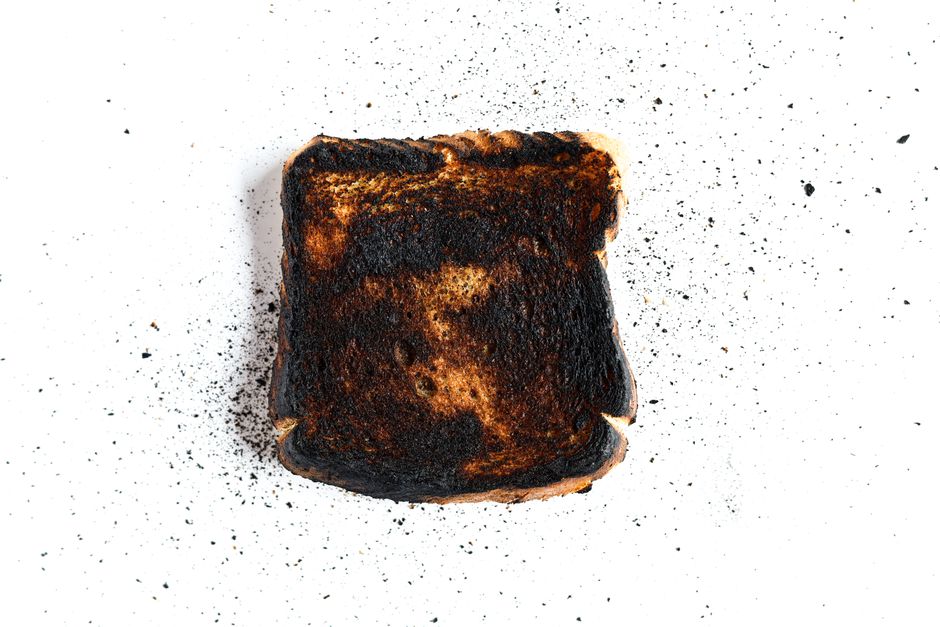
No food burns fat in the way the phrase suggests. There is no grapefruit, chili pepper, or green tea that melts fat off your body while you eat it. What certain foods can do is support the biological conditions under which your body burns stored fat — and that distinction matters far more than any list of “miracle” foods you have seen online.
Fat burning happens when your body needs energy and turns to stored fat to get it. The foods that genuinely help are the ones that keep that process working well: they support stable blood sugar, provide protein your body has to work to digest, or add volume and fiber that keep you full. The rest is marketing.
What Are Fat Burning Foods?
“Fat burning foods” is a marketing term, not a medical one. There is no category of food that directly causes fat loss through some special metabolic property.
What exists is a group of foods that support fat oxidation — the process by which your body breaks down stored fat into usable energy. Fat oxidation happens constantly in a healthy body. It speeds up when you are in an energy deficit, when you exercise, and when insulin levels are low. Certain foods support these conditions better than others.
Protein is the clearest example. Your body uses more energy digesting protein than it does digesting fat or carbohydrate. That extra energy expenditure is real and measurable, though modest. High-protein foods also tend to keep you full longer, which makes eating less feel less difficult.
Fiber-rich foods work differently. They add bulk without adding many calories, slow digestion, and help steady blood sugar. None of this “burns” fat directly. It creates conditions where your body is more likely to use stored fat for fuel.
The honest summary: foods do not burn fat. They influence the hormonal and caloric environment in which fat burning happens.
Does Metabolism Speed Up When You Eat Certain Foods?
Eating does increase metabolism temporarily. This is called the thermic effect of food, and it is a well-documented part of human physiology.
Your body spends energy digesting, absorbing, and storing what you eat. Protein requires the most energy to process, followed by carbohydrates, then fat. This is why high-protein diets are associated with slightly higher daily energy expenditure. The effect is real but small — it is not a shortcut to meaningful fat loss on its own.
Some foods do contain compounds that appear to influence fat metabolism in laboratory studies. Green tea contains catechins. Chili peppers contain capsaicin. Both have been studied for their effects on energy expenditure and fat oxidation.
The findings in humans are modest and inconsistent. Some studies show small increases in energy expenditure. Others show none. The effect sizes are generally too small to produce visible fat loss without other changes to diet and activity. This is not the same as saying these foods are useless — it means the evidence does not support the claims made about them.
What does reliably raise energy expenditure is physical activity, particularly resistance training and aerobic exercise. Muscle tissue also burns more calories at rest than fat tissue, though the difference is often overstated in popular media.
Which Foods Actually Support Fat Loss?
The foods that support fat loss are not exotic. They are the ones that help you eat less without feeling deprived, and that support stable blood sugar and adequate protein intake.
- Eggs — high in protein, and the yolk contains nutrients that are hard to get elsewhere
- Fish and shellfish — protein-dense and often low in calories
- Chicken and turkey breast — lean protein with a high thermic effect
- Greek yogurt and cottage cheese — protein plus calcium, and very filling
- Legumes — beans, lentils, and chickpeas combine protein and fiber
- Oats — slow-digesting carbohydrate that helps with satiety
- Vegetables — high volume, low calories, and a wide range of micronutrients
- Berries — fiber and water content with relatively low sugar
- Nuts and seeds — calorie-dense, so portion matters, but they support satiety
- Coffee and green tea — modest effects on energy expenditure, mostly through caffeine
Notice what is missing. No single item on this list is special. What they share is that they help you eat less overall without triggering hunger, and they support the metabolic conditions under which fat oxidation happens.
One non-obvious point: the order in which you eat matters less than most people think. Some research suggests eating protein and vegetables before carbohydrates may blunt blood sugar spikes. The effect is real but modest, and it does not replace the importance of total calorie intake.
-
 When You Sweat Are You Burning Fat? What the Research Says
 -
How A Low Carb Diet Works Burning Fat For Fuel?
-
How to Figure Out Heart Rate for Burning Fat? Easy Steps to Follow
-
What Are Macro Foods Carbs Protein And Fat Explained?
-
Nerve Calm Reviews, Customer Complaints, & Scam-Checked Reports 2025 Update.


Do Spicy Foods and Green Tea Really Burn Fat?
They have measurable effects on metabolism. Those effects are too small to produce meaningful fat loss on their own.
Capsaicin, the compound that makes chili peppers hot, has been studied for its effect on energy expenditure and appetite. Some research suggests it may slightly increase calorie burning and reduce appetite. The effect is small and varies between people.
Green tea catechins, particularly EGCG, have been studied alongside caffeine for their effects on fat oxidation. Some studies show a modest increase. Others show no meaningful difference. The evidence is mixed, and the effect sizes reported are generally small.
This does not mean these foods are worthless. Green tea is a reasonable substitute for sugary drinks. Spices can make lower-calorie food more appealing. But treating them as fat-burning tools misunderstands what the research actually shows.
What the research does consistently support is that caffeine can slightly increase energy expenditure and may improve exercise performance. That is a different claim from “burns fat.”
What Actually Determines Whether You Burn Fat?
Whether your body burns stored fat comes down to one thing: whether you are in an energy deficit. If you take in less energy than you use, your body draws on stored fat. If you take in more, it stores fat. This is basic physiology and it is not controversial.
Several factors influence how easily you achieve and maintain that deficit:
- Total calorie intake — the primary driver of fat loss
- Protein intake — preserves muscle and increases satiety
- Fiber intake — supports fullness and blood sugar stability
- Sleep — poor sleep is associated with increased appetite and worse food choices
- Stress — chronic stress is linked to higher cortisol and increased abdominal fat storage
- Physical activity — increases energy expenditure and supports muscle retention
- Insulin sensitivity — affects how easily your body accesses stored fat
Foods matter because they influence several of these factors at once. A meal high in protein and fiber keeps you full, steadies blood sugar, and preserves muscle. That is how it supports fat loss — not through any direct fat-burning mechanism.
This is also why no single food can compensate for a poor overall diet. A cup of green tea does not offset a day of excess calories. A sprinkle of cayenne does not undo a sedentary week.
Why the “Fat Burning Food” Idea Persists
The idea is appealing because it promises effort-free results. That is also why it spreads. A headline claiming a food “melts belly fat” gets more clicks than one explaining energy balance.
Some of the confusion comes from legitimate science being overstated. A study showing a small increase in fat oxidation from green tea catechins becomes “green tea burns fat” in a headline. The original finding might be accurate. The popular version is not.
Another source of confusion is that some foods do have real metabolic effects — just not the ones claimed. Protein does increase energy expenditure. Fiber does improve satiety. Caffeine does slightly raise metabolism. These are real. They are also modest. The gap between “modest effect” and “burns fat” is where most marketing lives.
Understanding this does not make food less important. It makes it more useful. Once you stop looking for a food that burns fat, you can focus on the foods that make fat loss easier: protein, fiber, vegetables, and enough volume to keep you satisfied while eating less.
Frequently Asked Questions
Do fat burning foods actually exist?
No food directly burns fat. Certain foods support the conditions under which your body burns stored fat, mainly by increasing satiety, supporting stable blood sugar, or requiring more energy to digest.
What is the fastest way to burn fat?
Being in a sustained energy deficit is the only reliable way to burn stored fat. Protein intake, fiber, sleep, and physical activity all make that deficit easier to achieve and maintain.
Does green tea burn belly fat?
Some studies show small increases in fat oxidation from green tea catechins, but the effects are too small to produce visible fat loss on their own. It is not a substitute for an energy deficit.
Can eating spicy food help you lose weight?
Capsaicin may slightly increase energy expenditure and reduce appetite in some people. The effect is small and inconsistent, and it does not replace the importance of total calorie intake.
