
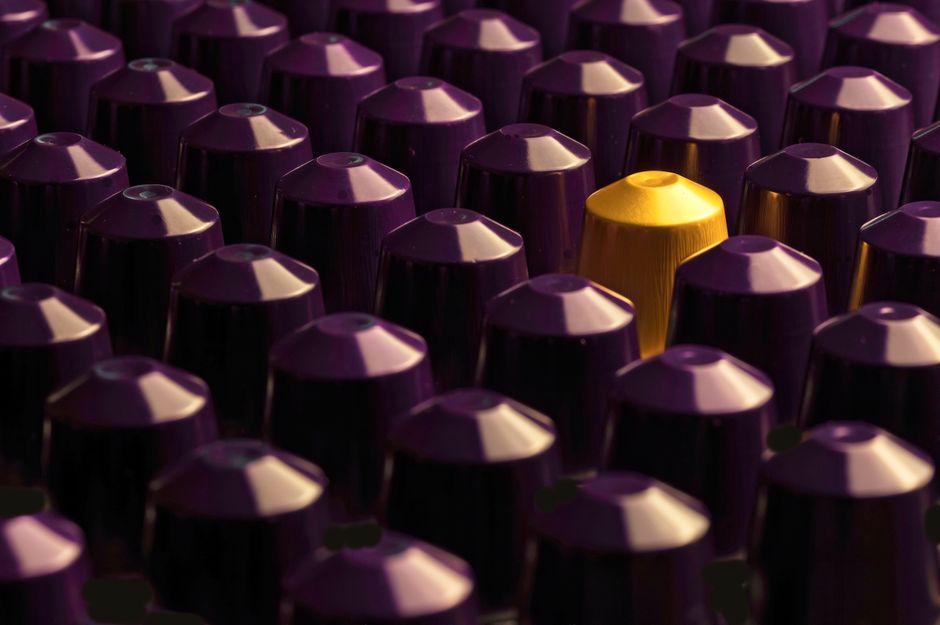
Coffee pods are a pantry staple for millions of people, offering a quick path to a fresh cup without the mess of a traditional brewer. But if you have a box that has been sitting in the back of a cabinet for months, you might wonder if it is still safe to use. Yes, coffee pods do go bad, but not in the way most people think. They do not become dangerous to drink, but they do lose flavor, aroma, and quality over time. The expiration date on the box is more about taste than safety.
What Is the Actual Shelf Life of Coffee Pods?
The shelf life of a coffee pod depends heavily on the type of pod and how it is packaged. Standard plastic or aluminum pods, like K-Cups, are sealed to keep oxygen and moisture out. Because of that seal, they can stay fresh for a long time. Most manufacturers print a “best by” date that ranges from 8 to 12 months from the day they were roasted and packaged.
That date is a quality marker, not a safety deadline. Coffee is a dry, shelf-stable product. It does not support the growth of bacteria that cause foodborne illness in the same way that dairy or meat does. The real enemy of coffee is oxygen, light, heat, and moisture. Once those get in, the coffee starts to oxidize and lose its volatile flavor compounds.
Some research suggests that roasted coffee begins to lose its aromatic compounds within weeks of exposure to air. In a sealed pod, that process is slowed dramatically. A pod stored in a cool, dark cabinet can remain perfectly drinkable for months past its printed date, though the flavor will be noticeably flatter than a fresh pod.
How to Tell If Coffee Pods Have Gone Bad
The most reliable way to tell if a pod has gone bad is to brew it and smell it. Stale coffee has a distinctly flat, papery, or musty aroma. If the coffee smells like cardboard or has no smell at all, the flavor will follow the same path. It will taste dull, bitter, or hollow compared to a fresh brew.
There are physical signs to look for as well. Check the pod itself for any signs of damage. A punctured, swollen, or leaking pod has lost its seal, which means the coffee inside has been exposed to air and moisture. If you see any mold on the pod itself, throw it out immediately. Mold on the plastic or foil exterior is a clear sign that moisture got in, and the coffee inside is no longer safe to drink.
One often-overlooked issue is the filter inside the pod. Over a very long time, the paper filter can degrade, which can affect the brew quality. This is rare and typically only happens years after the best-by date, but it is another reason to be cautious with very old pods.
Does the Type of Pod Matter?
Yes, the pod format makes a significant difference in how quickly the coffee degrades. There are several main types of coffee pods, and each one has a different shelf life profile.
- Plastic K-Cups: These are sealed with a foil lid and are the most shelf-stable option. They can last 8-12 months past the roast date and often remain drinkable for a few months beyond that.
- Aluminum capsules: Aluminum offers an excellent barrier against oxygen and light. These pods, often used in espresso machines, can preserve coffee for a year or more. The metal also protects the coffee from light damage, which is a major factor in flavor loss.
- Compostable or paper pods: These are the most perishable. They are designed to break down, which means they also break down on your shelf. The paper allows oxygen to penetrate more easily, and the seal is rarely as airtight as plastic or aluminum. Compostable pods should be used within a few months of purchase for the best flavor.
- Soft pods or pads: These flat, paper-based pods are not individually sealed in the same way. They are usually packed in a foil pouch with a nitrogen flush. Once you open that outer pouch, the pods inside start to go stale within a week or two.



How to Store Coffee Pods to Keep Them Fresh
Proper storage is the single most important factor in extending the life of your coffee pods. The goal is to keep them away from the three things that ruin coffee: oxygen, heat, and light. Moisture is also a concern, especially for pods in paper packaging.
Keep your pods in a cool, dry place. A pantry or a cabinet away from the stove and dishwasher is ideal. Avoid storing them on the counter near a window, as sunlight will degrade the coffee inside even if the pod is sealed. Heat accelerates the oxidation process, so a cabinet near the oven is a poor choice.
Do not put coffee pods in the refrigerator or freezer. The temperature fluctuations cause condensation, which introduces moisture. Moisture is far worse for coffee than mild heat. It can cause the grounds to clump, and it creates an environment where mold can grow. Room temperature storage is the standard recommendation.
If you have soft pods or paper pods, keep them in their original sealed packaging until you are ready to use them. Once you open the outer bag, transfer the remaining pods to an airtight container. This will slow down the staling process significantly.
Are Expired Coffee Pods Safe to Drink?
In most cases, yes. An expired coffee pod is not a food safety risk. The coffee inside is roasted, which kills most microorganisms, and the sealed pod prevents new ones from entering. The risk of getting sick from an expired pod is very low, assuming the pod is intact and shows no signs of mold.
The bigger issue is quality. Coffee that is past its prime will not deliver the flavor profile the roaster intended. The bright, fruity, or floral notes will fade first. What remains is often a flat, bitter, or woody taste. If you are someone who drinks coffee for the experience, an old pod will be disappointing. If you just need a caffeine hit, it will do the job.
There is one exception to the safety rule. If a pod shows visible mold, has a foul odor, or the packaging is compromised, do not use it. Mold can produce mycotoxins, which are not destroyed by the brewing process. When in doubt, throw it out. A single pod costs pennies; the potential health risk is not worth it.
Does Caffeine Content Change Over Time?
No, the caffeine content in a coffee pod does not degrade significantly over time. Caffeine is a stable molecule. It does not evaporate or break down under normal storage conditions. An old pod will still deliver roughly the same amount of caffeine as a fresh one.
What changes is the flavor, not the stimulant effect. This is a common misconception. People often assume that stale coffee is weaker, but that is not true. The coffee may taste weaker because it lacks aroma, but the caffeine level is essentially unchanged. If you are using an old pod for a morning pick-me-up, you will get the same energy boost.
How Long Do Opened Boxes Last?
Once you open the outer box, the shelf life clock starts ticking faster. The box itself is not an airtight seal. It protects the pods from light and physical damage, but it does not protect them from oxygen. The pods themselves are still individually sealed, so they retain most of their protection.
For plastic and aluminum pods, opening the box does not significantly shorten their life. The individual seals are the real barrier. For soft pods and paper pods, opening the outer packaging is the critical moment. Once that foil pouch is open, the pods are exposed to air and should be used within 1-2 weeks for the best flavor.
If you buy coffee pods in bulk, consider whether you will actually use them before they go stale. Buying a 100-count box when you drink one cup a week means you will be drinking stale coffee in a few months. Buy what you will reasonably consume within a few months, and you will always have a better cup.
The Bottom Line on Old Coffee Pods
Coffee pods do not spoil in the way that milk or eggs do. They are a shelf-stable product that degrades in quality, not safety. A pod that is months past its best-by date will make a drinkable cup of coffee, but it will not taste as good as a fresh one. The flavor compounds that make coffee enjoyable are volatile, and they fade over time no matter how well the pod is sealed.
Use your senses to judge a pod rather than the date on the box. If the pod is intact, the coffee smells reasonably fresh, and there is no sign of mold, it is safe to brew. If it tastes flat or stale, that is a quality issue, not a health one. The best way to avoid this situation entirely is to buy pods in quantities you will use and store them in a cool, dark cabinet.
Frequently Asked Questions
Can you get sick from using expired coffee pods?
It is very unlikely. The sealed pod prevents bacterial growth, and the roasted coffee inside is shelf-stable. The only real risk is if the pod is damaged and shows visible mold, in which case you should throw it away.
How long do coffee pods last after the expiration date?
Plastic and aluminum pods can remain drinkable for 3-6 months past the printed date, though flavor will decline. Compostable and paper pods degrade faster and should be used closer to their date.
Is it okay to use coffee pods that are 2 years old?
The coffee will be safe to drink if the pod is intact and shows no signs of mold or damage. However, the flavor will be very flat and stale, and the coffee will likely taste bitter and hollow.
Should you refrigerate coffee pods to make them last longer?
No. Refrigeration introduces moisture and temperature fluctuations, which can damage the coffee. Store pods in a cool, dry, dark cabinet at room temperature instead.
