
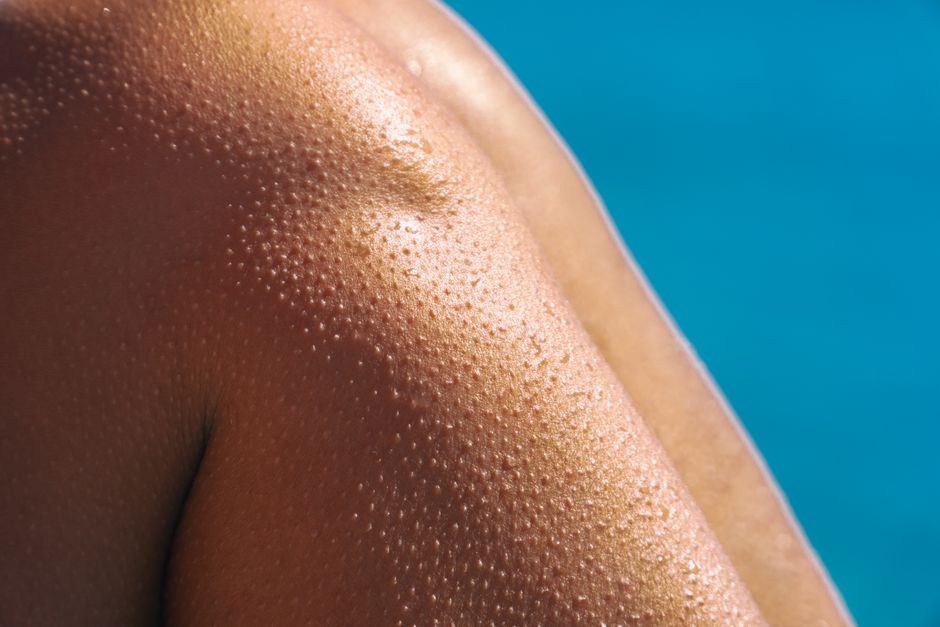
Sunburn does not turn into a tan. A tan is your skin’s response to low-level UV exposure, while a sunburn is a burn injury. When you burn, the damaged skin peels away, and the tan you see afterward is new skin or additional pigment produced after the initial damage. The burn itself never matures into a tan.
What Actually Happens to Your Skin During a Sunburn?
Sunburn is a radiation burn. Ultraviolet (UV) light damages the DNA inside your skin cells. Your body responds by increasing blood flow to the area, which causes the classic redness and warmth. This is inflammation, not the beginning of a tan.
The redness typically peaks 12 to 24 hours after exposure. In more severe burns, the skin swells and blisters. Blisters mean the burn is second-degree and the damage is deeper. The skin cells affected are dying, and your immune system is working to remove them.
Why Does Peeling Skin Sometimes Look Tan?
When a sunburn heals, the damaged outer layer of skin peels off. Underneath, the skin can look darker than usual. This happens for two reasons.
First, your skin produces melanin as a defense mechanism. Melanin is the pigment that gives skin its color. UV exposure triggers melanin production even during a burn. This is your skin trying to protect deeper cells from further damage.
Second, the new skin underneath is fresh and can appear different in tone. What people often call a “tan” after a burn is a combination of residual pigment and new skin. It is not the burn transforming. The burn itself is gone, and the remaining color is a separate process.
Does Sunburn Cause Long-Term Skin Damage?
Yes. A sunburn is not a harmless step toward a tan. Every burn represents significant DNA damage. The skin has repair mechanisms, but they are not perfect. Repeated burns increase the risk of skin cancer, including melanoma, the most dangerous form.
Some research suggests that a single blistering sunburn in childhood or adolescence doubles the lifetime risk of melanoma. Even without blisters, every burn adds to cumulative damage. This damage also accelerates visible aging. Wrinkles, dark spots, and loss of elasticity are direct results of UV exposure over time.
The idea that a tan is “healthy” is incorrect. A tan is evidence that UV radiation has damaged your skin’s DNA. The pigment is a stress response, not a sign of health.




Can You Get a Tan Without Burning?
Yes, but any tan still indicates DNA damage. There is no safe way to tan from the sun. The melanin response is triggered by UV radiation, which is a known carcinogen.
People with more melanin burn less easily and tan more readily. People with less melanin burn quickly and may never tan. This is determined by genetics and skin type, not by willpower or preparation.
If you want color without UV damage, self-tanning products are the only evidence-based option. These products use dihydroxyacetone (DHA), which reacts with amino acids in the outer skin layer to produce a temporary color change. This does not involve UV radiation and does not damage DNA.
How to Treat a Sunburn Properly
Treatment focuses on comfort and supporting your skin’s healing. There is no way to reverse the DNA damage already done.
- Take cool baths or showers to ease the heat.
- Apply moisturizer while skin is still damp to lock in hydration.
- Use over-the-counter pain relievers like ibuprofen or acetaminophen if needed.
- Drink extra water. A burn draws fluid to the skin surface and away from the rest of your body.
- Leave blisters intact. They protect the healing skin underneath.
Avoid petroleum-based products immediately after a burn. They can trap heat. Aloe vera gel is a common choice and can soothe the skin, though evidence for speeding healing is limited. The most important step is to protect the burned area from further sun exposure while it heals.
If you have severe blistering over a large area, signs of infection, fever, chills, or extreme pain, seek medical care. These can be signs of a serious burn requiring professional treatment.
How Long Does It Take for a Sunburn to Heal?
Healing time depends on the severity of the burn. A mild burn typically heals in three to five days with peeling. A moderate burn can take up to two weeks. Severe burns with blisters can take several weeks and may leave permanent changes in skin color.
The peeling stage usually begins three to eight days after the burn. This is the dead skin separating from the new skin beneath. Do not pull at peeling skin. Let it fall off naturally. Pulling can tear healthy skin and increase infection risk.
Skin color may remain uneven for weeks or months after a burn. This is normal. The pigment produced during the burn response can take time to fade.
How to Prevent Sunburn in the First Place
Prevention is straightforward and well supported by evidence. The sun’s UV rays are strongest between 10 a.m. and 4 p.m. Seek shade during these hours when possible.
Wear protective clothing, including a wide-brimmed hat and sunglasses that block UV light. Use a broad-spectrum sunscreen with an SPF of 30 or higher. Apply it generously to all exposed skin 15 to 30 minutes before going outside. Reapply every two hours and immediately after swimming or sweating.
No sunscreen blocks 100 percent of UV rays. It is a filter, not a shield. Combining sunscreen with shade and clothing gives the best protection. Cloudy days are not safe. Up to 80 percent of UV rays can pass through clouds.
Does Sunburn Turn To Tan for People with Darker Skin?
People with darker skin have more natural melanin, which provides more built-in protection. They burn less easily than people with lighter skin. But they can still burn, and the burn can be harder to see because the redness is less visible against darker skin.
The same rule applies: a burn is a burn. It does not turn into a tan. People with darker skin can also develop skin cancer from UV exposure, though the risk is lower than for lighter skin types. The damage is the same, and the prevention advice is identical.
Skin cancer in people with darker skin is often diagnosed later because it is less expected. This leads to worse outcomes. Anyone can get skin cancer from UV exposure, regardless of natural skin color.
What About Tanning Beds?
Tanning beds are not a safe alternative to the sun. They emit UV radiation, and the intensity can be higher than midday sun. The World Health Organization classifies tanning beds as a Group 1 carcinogen, meaning they are known to cause cancer in humans.
Some research indicates that using a tanning bed before age 35 increases melanoma risk significantly. The International Agency for Research on Cancer has stated that tanning bed use is linked to melanoma and other skin cancers. There is no evidence that tanning beds provide a “base tan” that protects against sunburn. The protection they offer is minimal and not worth the cancer risk.
Frequently Asked Questions
Can a sunburn turn into a tan?
No. The burn itself never becomes a tan. The color you see after peeling is new skin and residual pigment from your skin’s stress response, not the burn transforming.
Why does my skin look tan after peeling?
Your skin produced extra melanin during the UV exposure as a defense mechanism. This pigment remains after the dead skin peels, and the fresh new skin underneath can appear darker.
Is a tan a sign of healthy skin?
No. A tan is evidence that UV radiation has damaged your skin’s DNA. It is a stress response, not a health indicator.
How long does sunburn peeling last?
Peeling usually begins three to eight days after the burn and lasts a few days. Severe burns can take up to two weeks or longer to fully heal.
