
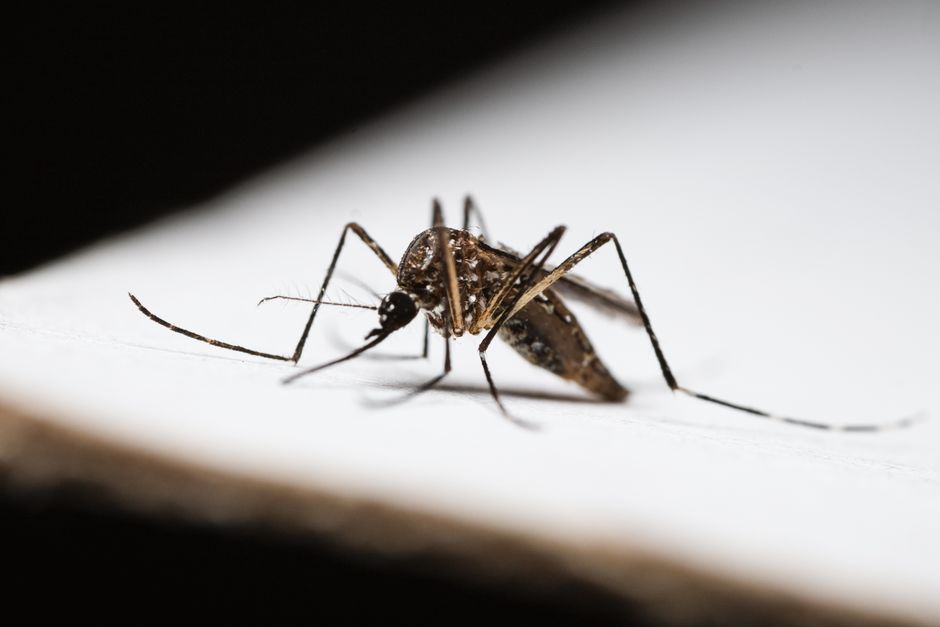
Carpet bugs — the name usually points to one of two insects: carpet beetles or carpet mites. Neither one feeds on human blood. Carpet beetles do not bite. Carpet mites do not bite either. The real problem is often something else entirely, and understanding the difference can save you from treating the wrong pest.
Do Carpet Bugs Bite People?
No. Carpet beetles and carpet mites lack the mouthparts needed to bite or pierce human skin. They do not feed on blood. They feed on organic materials like wool, fur, feathers, and dead skin cells.
If you wake up with itchy red bumps and suspect carpet bugs, the bites are probably coming from a different insect entirely. Bed bugs, fleas, and certain mites are the usual culprits. The confusion is understandable — the symptoms look similar.
This distinction matters because the treatment for a carpet beetle problem is completely different from the treatment for bed bugs or fleas. Knowing what you are dealing with determines whether you need an exterminator, a deep cleaning, or medical attention for the rash.
What Are Carpet Beetles?
Carpet beetles are small, oval insects that measure about 1/16 to 1/8 of an inch long as adults. They come in several colors depending on the species — black, brown, or mottled with white, yellow, and orange scales.
Adult carpet beetles fly. They often enter homes through open windows or doors and are attracted to light. But the adults are not the problem. The larvae cause the damage.
Carpet beetle larvae are small, hairy, and worm-like. They are often called “woolly bears” because of their bristly appearance. These larvae feed on natural fibers — wool carpets, clothing, upholstery, animal hides, and even dried food products. They also consume lint, hair, and dead insects.
The larvae are the stage that causes the irritation people mistake for bites. Their tiny, barbed hairs can cause a skin reaction in some people. This reaction is not a bite. It is a form of contact dermatitis triggered by the hairs themselves.
What Are Carpet Mites?
The term “carpet mite” is less precise. It is not a single species. People use it to describe several different tiny pests found in carpets.
One common meaning refers to dust mites. Dust mites are microscopic creatures that feed on dead skin cells shed by humans and pets. They do not bite. They do not burrow into skin. Their waste particles and body fragments can trigger allergic reactions in sensitive people.
Another meaning refers to certain predatory mites that occasionally wander indoors. These mites may feed on other insects or plant material. They do not feed on humans.
When someone says “carpet mites are biting me,” the actual culprit is often a different mite entirely — like a rodent mite or a bird mite. These mites do bite humans when their normal host is gone. They drop from abandoned nests in attics or chimneys and search for a new food source. Humans are not their preferred host, but they will bite.



What Causes the Itchy Bumps If Not Bites?
Carpet beetles cause skin irritation through their larval hairs. These hairs are covered in tiny, arrow-shaped barbs. When the hairs contact skin, they can cause a reaction called carpet beetle dermatitis.
The reaction appears as red, itchy bumps or a widespread rash. It can look very similar to bed bug bites or flea bites. The difference is that the rash is not concentrated in a feeding pattern. Bed bugs often bite in lines or clusters. Carpet beetle dermatitis appears wherever the hairs touched the skin.
Some people also experience a respiratory reaction. Inhaling carpet beetle hairs can trigger sneezing, a runny nose, or asthma-like symptoms in sensitive individuals. This is an allergic response, not an infection.
Dust mites cause a different reaction. Their allergens — primarily their feces and shed skin — can cause itchy skin, watery eyes, sneezing, and congestion. This is a true allergy, not a bite. Many people with year-round allergy symptoms are reacting to dust mites in their bedding, carpets, and upholstered furniture.
How Do I Know If I Have Carpet Beetles?
Look for the signs of an infestation rather than bites. Carpet beetle damage appears as irregular holes in wool clothing, carpets, or upholstery. You may also notice thinning areas on natural fiber rugs or chewed edges on stored fabrics.
Check areas where organic material accumulates. This includes under furniture, along baseboards, inside closets, and in storage boxes with wool or fur items. You may find shed larval skins — they look like small, hollow, bristly casings. You may also see the larvae themselves, especially in dark, undisturbed areas.
Adult beetles are often found near windowsills or light fixtures. They are attracted to light and may accumulate there in late spring and early summer.
If you see tiny, slow-moving specks on light-colored surfaces, inspect them closely. Carpet beetle larvae are distinctive — they are elongated, hairy, and often striped or mottled in brown and cream colors.
How Do I Treat the Skin Reaction?
If you have carpet beetle dermatitis, the treatment focuses on relieving the itch and reducing inflammation. Over-the-counter hydrocortisone cream can help with mild reactions. Antihistamines taken by mouth may reduce itching, especially at night.
Cool compresses can soothe irritated skin. Calamine lotion is another option for mild itching. Avoid scratching — broken skin can become infected.
If the rash is severe, widespread, or does not improve within a week, see a doctor. A dermatologist can prescribe stronger topical treatments and confirm the diagnosis. Skin reactions from insect hairs are not dangerous, but they can be intensely uncomfortable.
Dust mite allergy symptoms are treated differently. Antihistamines, nasal steroid sprays, and allergy medications can manage symptoms. If reactions are severe, an allergist can perform testing and discuss immunotherapy options.
How Do I Get Rid of Carpet Beetles?
Eliminating carpet beetles requires removing their food source and treating the infestation. Start with a thorough vacuuming of all carpets, rugs, upholstered furniture, and along baseboards. Pay special attention to areas under furniture and in closets. Vacuuming removes larvae, shed skins, and the hair and lint they feed on.
Wash all affected fabrics in hot water. Wool sweaters, blankets, and other natural fiber items should be dry cleaned or washed at the hottest temperature the fabric allows. Heat kills all life stages of carpet beetles.
For items that cannot be washed, freezing can work. Place items in sealed plastic bags and freeze them for at least two weeks. This kills larvae and eggs.
Store off-season clothing in airtight containers. Cedar chests and mothball alternatives may help, but airtight storage is more reliable. Carpet beetles can chew through thin plastic bags, so use sturdy containers with tight-fitting lids.
For serious infestations, insecticides can be effective. Products containing permethrin or other pyrethroids are labeled for carpet beetle control. Always follow the label instructions exactly. In many cases, professional pest control is the most reliable option for eliminating a widespread infestation.
Prevention is the best long-term strategy. Regular vacuuming removes the lint, hair, and dead skin cells that carpet beetles need to survive. Inspect secondhand clothing, rugs, and furniture before bringing them into your home.
How Do I Get Rid of Dust Mites?
Dust mites are harder to eliminate completely, but you can reduce their numbers significantly. The goal is to lower humidity and remove their food source.
Wash bedding weekly in hot water — at least 130°F. This kills dust mites and removes their allergens. Use allergen-proof covers on mattresses and pillows. These covers create a barrier that keeps mites away from you and traps existing allergens.
Reduce indoor humidity. Dust mites need moisture to survive. Keeping indoor humidity below 50 percent makes the environment less hospitable. A dehumidifier can help in damp climates or humid seasons.
Vacuum regularly with a vacuum that has a HEPA filter. Standard vacuum bags can leak allergens back into the air. HEPA filters trap them. Focus on carpets, upholstered furniture, and mattresses.
Consider removing wall-to-wall carpet in bedrooms if dust mite allergies are severe. Hard flooring — wood, tile, or laminate — does not harbor dust mites. Washable area rugs are a better choice than wall-to-wall carpet for allergy sufferers.
When Should I Call a Professional?
Call a pest control professional if you cannot find the source of the infestation or if your efforts do not resolve the problem. A professional can identify the specific pest and recommend targeted treatment.
If you suspect bed bugs, call a professional immediately. Bed bugs reproduce quickly and are notoriously difficult to eliminate without expert treatment. They do bite, and they feed on human blood. Their bites appear as small, red, itchy welts, often in a line or cluster.
If you have a rodent or bird nest in your attic, eaves, or chimney, call a professional to remove it. The mites from these nests can bite humans and cause intense itching. Removing the nest eliminates the mite source.
Do not assume any itchy rash is from carpet bugs. See a doctor if you are unsure about the cause, if the rash spreads, or if you develop signs of infection like warmth, pus, or increasing pain.
Frequently Asked Questions
Do carpet beetles bite humans?
No, carpet beetles do not bite. They lack the mouthparts to pierce skin, and the irritation they cause comes from their larval hairs, not from bites.
What is biting me if not carpet bugs?
Bed bugs, fleas, and bird or rodent mites are common biters that cause reactions mistaken for carpet bug bites. Look for bite patterns and check your mattress, pets, and attic for signs of these pests.
Can carpet beetles live in your bed?
Carpet beetles prefer dark, undisturbed areas with natural fibers, so they can be found in bedding made of wool or other animal-based materials. They do not feed on human blood, but they may be attracted to the dead skin cells and hair in your bed.
How do I know if my rash is from carpet beetles?
Carpet beetle dermatitis appears as red, itchy bumps or a rash where larval hairs touched the skin. Unlike bed bug bites, it does not follow a feeding pattern, and it improves once you eliminate the infestation and wash affected clothing and bedding.
