
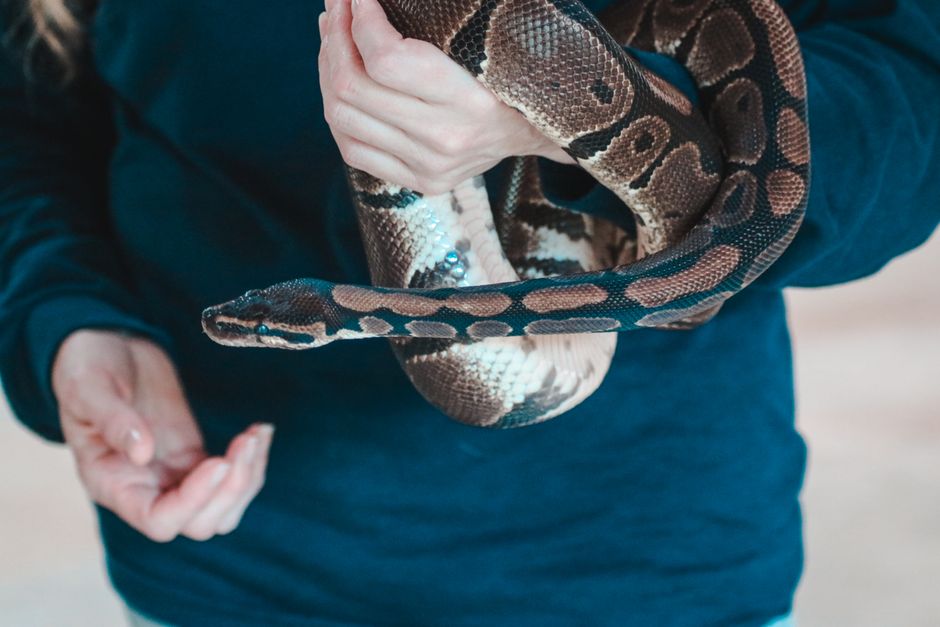
Ball pythons are one of the most popular pet snakes in the United States. They are known for being docile and calm. But the question most new owners ask is simple: do ball pythons bite? The direct answer is yes, they can bite, but it is not common. Ball pythons are not aggressive by nature. When they bite, it is almost always a defensive reaction, not an attack. Understanding why they bite and how to prevent it is the key to a safe and stress-free relationship with your snake.
Do Ball Pythons Bite Often?
No. Ball pythons rarely bite compared to many other snake species. Their first instinct is to hide or curl into a ball — that is where their name comes from. Biting is a last resort when they feel cornered, scared, or mistake your hand for food.
Most experienced keepers go years without being bitten. When bites do happen, they are usually quick warning strikes. The snake is telling you it feels threatened. It is not being mean or aggressive. It is simply defending itself.
Understanding this difference matters. A snake that bites out of fear needs different handling than one that bites because it smells food. Knowing which situation you are in helps you respond correctly.
Why Do Ball Pythons Bite?
There are three main reasons a ball python will bite. Each one has a different cause and a different solution.
Defensive biting happens when the snake feels unsafe. This occurs most often with new snakes that are not yet used to their enclosure or handling. It can also happen if you wake the snake suddenly, reach into its tank too fast, or grab it from above — a motion that mimics a bird of prey. A defensive bite is usually a quick strike and release. The snake wants you to go away, not to hurt you.
Food response biting is the second reason. Ball pythons hunt by sensing heat and smell. If your hand smells like a mouse or rat, the snake may mistake it for prey. This is more likely to happen if you handle food and then handle the snake without washing your hands. It can also happen if you reach into the enclosure right after feeding. The snake is still in feeding mode and may strike at anything warm that moves.
Hunger biting is the third reason. A snake that has not eaten in a long time may become more eager to strike at anything that seems like food. This is less about fear and more about survival instinct. Regular feeding schedules reduce this risk.
What Does a Ball Python Bite Feel Like?
A ball python bite is not like a dog bite or a cat scratch. It is a series of small, sharp punctures. The snake has about 30 curved teeth that point backward. When it bites, the teeth hook into the skin. The snake may hold on for a few seconds, or it may strike and release immediately.
The pain level depends on the size of the snake. A juvenile ball python bite feels like a pinprick or a mild scratch. An adult bite is more noticeable — like a strong pinch with a few needle-like points. There may be some bleeding, but it is usually minor.
Ball pythons are not venomous. They are constrictors. They do not have venom glands or fangs. A bite is purely a mechanical injury — small puncture wounds. It will not cause the tissue damage or systemic effects that a venomous snake bite would cause.




How Do You Treat a Ball Python Bite?
If a ball python bites you, stay calm. Do not pull your hand away sharply. Pulling can tear the skin because the teeth point backward. The snake will usually release on its own within a few seconds. If it does not, gently run cool water over its head or use a small amount of hand sanitizer near its mouth. The smell and sensation usually cause it to let go.
Once the snake releases, wash the area thoroughly with soap and warm water. Apply an antibiotic ointment and cover it with a clean bandage. The puncture wounds are small, but they can become infected if not cleaned properly. Watch for signs of infection over the next few days — redness, swelling, warmth, or discharge. If any of these appear, see a doctor.
Ball python bites rarely require medical attention. However, if the bite is deep, if it is on a joint or the hand, or if you have a weakened immune system, it is wise to have a doctor look at it. Tetanus shots are recommended every 10 years for everyone, so make sure yours is current.
How Do You Prevent Ball Python Bites?
Prevention starts with understanding your snake’s body language. A snake that is about to strike will often hiss, coil its body into an S-shape, or pull its head back. If you see these signs, stop what you are doing and give the snake space.
Wash your hands before handling. This removes the smell of food. If you have just handled rodents, wash thoroughly with soap and water before going near your snake. Some keepers use hand sanitizer before handling for the same reason.
Move slowly and deliberately. Sudden movements startle snakes. Reach into the enclosure calmly. Do not grab from above. Instead, scoop the snake up from the side or below. Support its body fully so it feels secure.
Do not handle after feeding. Wait at least 48 hours after your snake eats before handling it. A snake that is digesting is more irritable and more likely to strike. This is not aggression — it is a natural response to being vulnerable during digestion.
Handle regularly but briefly. Regular, short handling sessions help your snake get used to you. Start with 5-10 minutes a few times a week. Over time, most ball pythons become completely comfortable with handling.
Are Ball Pythons Safe for Children?
Ball pythons are generally considered safe for supervised handling by older children. They are docile and slow-moving. However, no snake should be handled by a young child without an adult present. A child may squeeze the snake, drop it, or make sudden movements that startle it.
Even a small defensive bite can be frightening for a child. It is not dangerous, but it can create a lasting fear of snakes. If a child wants to handle a ball python, teach them the same rules adults follow: wash hands first, move slowly, support the body, and never handle the snake after it has eaten.
It is also worth noting that salmonella can be carried by reptiles. This is a bacteria that can cause food poisoning-like symptoms. Always wash your hands thoroughly after handling your snake or cleaning its enclosure. Children should be supervised to make sure they wash properly.
Do Ball Pythons Recognize Their Owners?
Ball pythons do not have the brain structure to form emotional bonds like a dog or cat. They do not feel affection or loyalty. However, they can learn to associate certain smells and routines with safety. A snake that is handled regularly may become calm and relaxed because it has learned that handling does not mean danger.
This is not the same as recognition. The snake is not thinking “this is my owner.” It is thinking “this smell and this touch have never hurt me before.” That learned calmness is what most owners call trust. It is real, but it is based on conditioning, not emotion.
This distinction matters for bite prevention. A snake that has positive handling experiences is less likely to bite. But a snake can still strike if it is startled, hungry, or feels threatened. Never assume that a “tame” snake will never bite.
Frequently Asked Questions
Do ball python bites hurt?
Yes, but not severely. Most bites feel like a sharp pinch with small needle-like punctures that may bleed slightly.
Are ball pythons venomous?
No. Ball pythons are non-venomous constrictors, so their bites cause only minor puncture wounds with no venom involved.
Why did my ball python bite me for no reason?
There is always a reason. The snake was likely startled, mistook your hand for food, or felt threatened by a sudden movement near its enclosure.
How do I get my ball python to stop biting?
Wash your hands before handling, move slowly, avoid handling for 48 hours after feeding, and keep handling sessions short and regular so the snake learns you are not a threat.
