
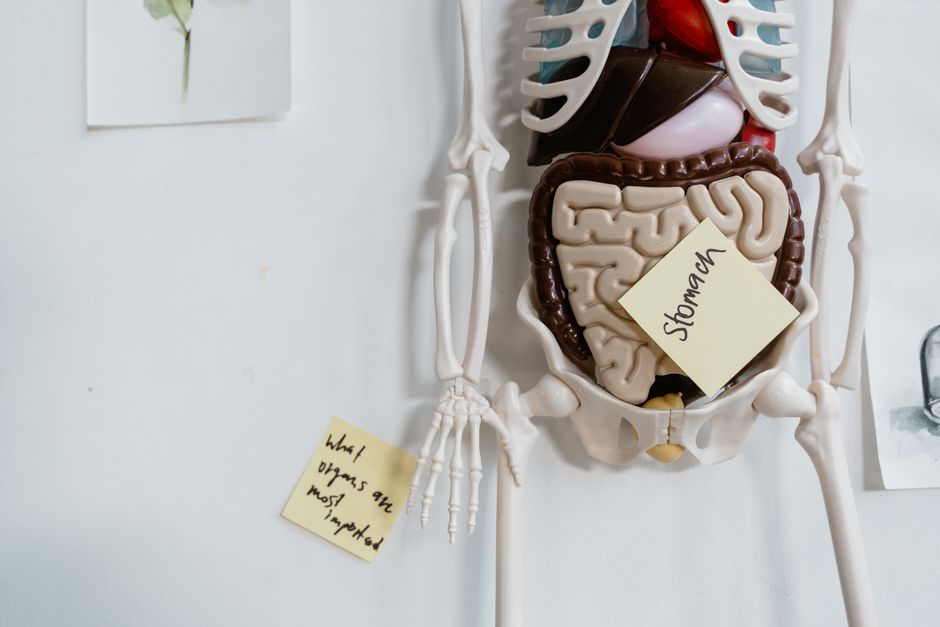
Yes, you can live without a stomach. The organ is important, but it is not essential for survival. Surgeons remove the entire stomach in a procedure called a total gastrectomy, most often to treat stomach cancer. People who have this surgery go on to live full lives, though they must make permanent changes to how they eat and what they eat.
What Does the Stomach Actually Do?
The stomach is a stretchy, J-shaped sac between the esophagus and the small intestine. It has three main jobs. It stores food, mixes it with digestive juices, and slowly releases the mixture into the intestine.
When you chew and swallow, food travels down the esophagus and lands in the stomach. The stomach churns the food into a thick liquid called chyme. It also produces hydrochloric acid and enzymes that begin breaking down proteins.
Here is the key point: the stomach does not absorb most nutrients. That job belongs to the small intestine. The stomach’s main contributions are storage, physical breakdown, and the start of protein digestion. Your small intestine can take over most of these tasks after the stomach is gone.
Why Would Someone Have Their Stomach Removed?
Stomach cancer is the most common reason for a total gastrectomy. When cancer has spread through the stomach wall or involves most of the organ, removing the entire stomach offers the best chance of removing all cancerous tissue.
There are other reasons too. Some people have a genetic mutation called CDH1 that gives them a very high lifetime risk of stomach cancer. Many of these people choose to have their stomach removed before cancer ever develops. This is called a prophylactic gastrectomy.
Severe stomach ulcers, non-cancerous tumors, or injuries that damage the stomach beyond repair can also lead to removal. In rare cases, people have stomachs that cannot empty properly or have lost all muscle function, and removal becomes the best option.
How Do You Eat Without a Stomach?
After a total gastrectomy, the surgeon connects the esophagus directly to the small intestine. This means food goes from your throat straight into your intestines. There is no holding tank anymore.
This changes everything about eating. Without a stomach to store food, you cannot eat large meals. A typical meal after surgery is very small, often just a few tablespoons at first. Over time, most people manage regular-sized but modest portions.
You also need to eat far more often. Most people eat six to eight small meals spread across the day. Eating slowly and chewing food extremely well becomes a permanent habit.
Food also enters the intestine much faster than normal. This can cause a group of symptoms called dumping syndrome. When food rushes into the small intestine too quickly, it draws fluid out of your bloodstream into the gut. This can cause cramping, diarrhea, nausea, and dizziness within minutes of eating.
Simple sugars make dumping syndrome worse. Candy, soda, juice, and other sugary foods are often the biggest triggers. Many people find they must avoid these foods entirely or eat them only in tiny amounts.





What Nutrients Do You Miss Without a Stomach?
The stomach helps you absorb some nutrients, and losing it creates specific deficiencies. The most important one is vitamin B12.
Your stomach produces a protein called intrinsic factor. This protein binds to vitamin B12 and helps your intestine absorb it. Without a stomach, you cannot make intrinsic factor. That means you cannot absorb vitamin B12 from food at all, no matter how much you eat.
People who have had a total gastrectomy need vitamin B12 injections or high-dose sublingual tablets for life. This is not optional. Untreated B12 deficiency causes nerve damage, anemia, and cognitive problems.
Iron is another concern. Stomach acid helps convert iron into a form your body can absorb. Without that acid, iron absorption drops. Many people need iron supplements after surgery.
Calcium and vitamin D absorption also decline. This raises the risk of osteoporosis and bone fractures later in life. Regular blood tests are needed to catch these deficiencies early.
Weight loss is expected after this surgery. Most people lose a significant amount of weight in the first year. Some regain weight over time, but many settle at a lower weight than before. This is not necessarily unhealthy, but it requires careful attention to getting enough protein and calories.
How Does Digestion Work After a Total Gastrectomy?
Your body adapts, but it never works exactly the way it did before. The small intestine becomes the main site for both digestion and absorption. This is harder work for the intestine, and it manages remarkably well.
Protein digestion still happens, just less efficiently. Enzymes from the pancreas and the intestine itself break down protein into amino acids. The process works, but it is slower and less complete than when the stomach started the job.
Fat digestion is mostly unchanged because the stomach never played a major role in breaking down fats. The liver produces bile, the pancreas produces lipase, and the small intestine handles fat absorption as it always did.
Carbohydrates are digested differently. The stomach’s acid and enzymes used to begin breaking down starches. Without that head start, carbohydrates move into the intestine intact. This is why sugary and starchy foods are more likely to cause dumping syndrome.
Bile reflux can be a problem. Normally the stomach sits between the esophagus and the intestine, keeping bile in its place. After gastrectomy, bile can wash backward into the esophagus. This causes heartburn-like pain and can damage the esophagus lining over time.
What Is Life Like After Stomach Removal?
Life changes, but it does not stop. Most people return to work, travel, and normal social activities. Eating in restaurants takes planning, but it is possible.
The first year is the hardest. Your body is adjusting, weight is dropping, and every meal requires attention. After that, many people find a rhythm. They learn their limits, identify trigger foods, and settle into a pattern that works.
Dumping syndrome usually improves over time. The intestine gradually adapts to receiving food more quickly. Many people find their symptoms become less severe after the first year, though some foods may always cause problems.
Long-term survival depends heavily on nutrition. People who follow their supplement regimen and eat carefully generally do well. People who skip supplements or ignore dietary advice develop serious deficiencies.
Quality of life studies show that most people adapt well. Physical function often improves compared to life with severe stomach disease. Eating is less enjoyable for many, but the trade-off is freedom from pain, bleeding, or cancer risk.
Can You Eat Normally Again?
You will never eat the way you did before surgery. That is the honest answer. But you can eat a wide variety of foods and enjoy meals.
Most people start with a liquid diet, then move to pureed food, then soft food, and finally solid food over several weeks. This progression is supervised by a dietitian and takes time.
Eventually, most people can eat meat, fish, vegetables, and grains. The portions are smaller and the chewing is more deliberate, but the foods are recognizable. Some people tolerate certain foods better than others, and there is no universal diet that works for everyone.
Foods that commonly cause problems include very sweet items, greasy fried foods, and foods with tough fiber. Dairy is problematic for some people but fine for others. You have to learn your own body’s responses.
Frequently Asked Questions
How long can you live without a stomach?
You can live a full normal lifespan without a stomach. Survival depends on the reason for removal, your overall health, and how well you manage nutrition afterward.
Do you need to take supplements forever after stomach removal?
Yes, lifelong supplements are required, especially vitamin B12. Your body cannot absorb B12 from food without a stomach, so injections or high-dose tablets are essential for life.
Can you gain weight after stomach removal?
Some people regain weight, but most settle at a lower weight than before. Gaining weight is possible with frequent meals, high-protein foods, and attention to calorie intake.
Is stomach removal surgery dangerous?
It is major surgery with real risks, including bleeding, infection, and leakage where the esophagus meets the intestine. In experienced surgical centers, the procedure is generally safe and the benefits often outweigh the risks.
