
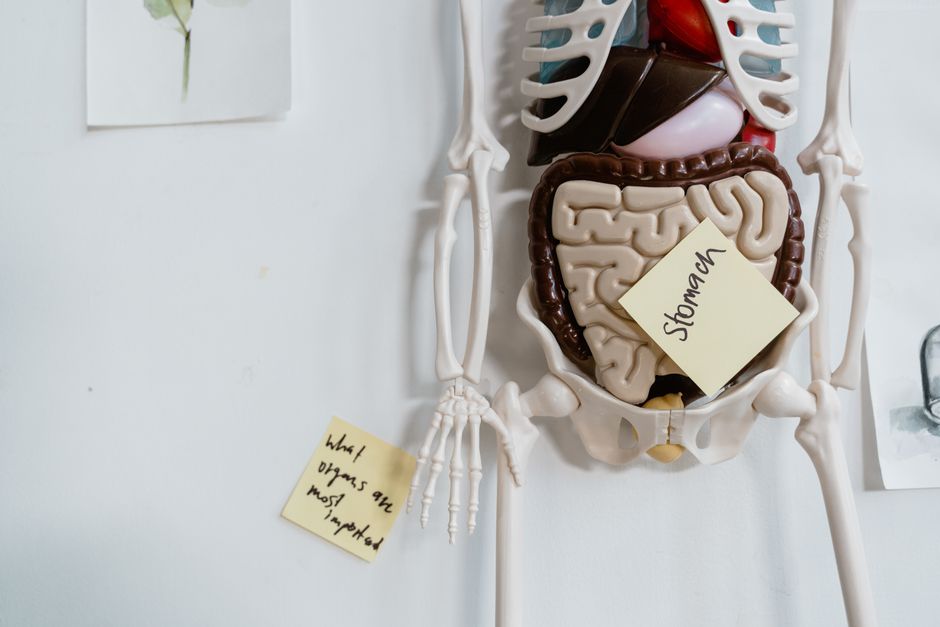
Stomach fat is stubborn, and it is also the fat most linked to health problems. You cannot target it with crunches or any specific exercise. Losing it requires reducing overall body fat through a consistent calorie deficit, which means eating fewer calories than your body burns. The most effective approach combines a balanced diet, regular physical activity, and enough sleep, and it takes time.
Why Is Stomach Fat So Hard to Lose?
Belly fat is not just one thing. You have subcutaneous fat, which sits just under the skin and is the pinchable kind. You also have visceral fat, which wraps around your organs deep inside your abdomen. Visceral fat is the more dangerous type because it is linked to heart disease, type 2 diabetes, and other metabolic issues.
Visceral fat is also more metabolically active. It releases inflammatory markers into your bloodstream. This is why reducing it matters for more than just how your clothes fit—it is a direct health goal.
Many people find stomach fat is the last place they lose weight. This is normal and reflects how your body stores and mobilizes fat. Fat loss patterns are largely determined by genetics and hormones, not by which muscles you exercise.
What Actually Causes Stomach Fat to Build Up?
Excess calorie intake is the primary driver. When you consistently eat more energy than you use, your body stores the surplus as fat, and the abdomen is a common storage site. This is true regardless of whether those extra calories come from carbs, fat, or protein.
Hormones play a role too. Cortisol, the stress hormone, can promote fat storage in the abdominal area when levels stay high for long periods. Chronic stress and poor sleep both raise cortisol. This does not mean stress alone causes belly fat, but it can make it harder to lose.
Age also matters. As you get older, muscle mass tends to decline, which lowers your resting metabolic rate. If your eating habits stay the same, the same food intake can lead to gradual weight gain, often around the middle.
How Do You Lose Stomach Fat: Diet First
Diet is the most important part of losing stomach fat. You cannot out-exercise a poor diet. The goal is a sustainable calorie deficit, which means eating slightly fewer calories than your body needs each day.
Protein is a key part of this. It helps preserve muscle mass while you lose fat, and it increases satiety, meaning you feel full longer. Good sources include lean meats, poultry, fish, eggs, dairy, beans, and legumes.
Fiber also helps. High-fiber foods like vegetables, fruits, whole grains, and legumes slow digestion and help control appetite. Some research suggests that soluble fiber, in particular, is linked to reduced belly fat over time.
Ultra-processed foods are worth limiting. They are often calorie-dense, low in nutrients, and designed to be easy to overeat. Sugary drinks are especially problematic because liquid calories do not trigger the same fullness signals as solid food.
A practical approach is to build meals around whole foods. Fill half your plate with vegetables, a quarter with lean protein, and a quarter with whole grains or starchy vegetables. This pattern naturally supports a calorie deficit without requiring you to count every calorie.





Does Exercise Target Belly Fat Specifically?
No. Spot reduction is a myth. Doing hundreds of crunches or planks will strengthen your abdominal muscles, but it will not selectively burn the fat over them. Fat loss happens throughout the body, and where it comes off first is largely genetic.
What exercise does do is increase your total calorie burn. This supports the calorie deficit needed for overall fat loss. As your total body fat drops, your stomach fat will eventually decrease too.
Strength training is important here. Building or preserving muscle raises your resting metabolic rate, which means you burn more calories at rest. It also changes how your body looks as you lose fat, giving you a firmer appearance.
Cardiovascular exercise, like walking, running, cycling, or swimming, burns calories directly. The best exercise is the one you will do consistently. Combining cardio with strength training is generally more effective for body composition than doing either alone.
High-intensity interval training, or HIIT, has become popular for fat loss. Some studies suggest it can be time-efficient and effective. But the evidence does not show it is dramatically better than moderate-intensity exercise for most people. Consistency matters more than intensity.
Does Sleep Affect Belly Fat?
Yes. Short sleep is consistently linked to weight gain and increased abdominal fat. When you are sleep-deprived, levels of the hunger hormone ghrelin rise, and levels of the fullness hormone leptin fall. This makes you hungrier and more likely to overeat.
Poor sleep also raises cortisol, which can promote fat storage. Most adults need between seven and nine hours of sleep per night. If you are regularly sleeping less than that, improving your sleep habits may be a meaningful part of your fat loss efforts.
Sleep is not a magic bullet, but it is a foundational factor. If you are doing everything else right but not sleeping enough, your results will likely suffer.
Are There Health Risks Specific to Belly Fat?
Yes. Visceral fat is not just stored energy; it is biologically active tissue. It releases inflammatory substances called cytokines, which can interfere with insulin signaling. Over time, this can lead to insulin resistance, higher blood sugar, and an increased risk of type 2 diabetes.
Visceral fat is also linked to higher blood pressure, abnormal cholesterol levels, and an increased risk of cardiovascular disease. This is why waist circumference is used as a health screening measure, not just a cosmetic concern.
For most adults, a waist measurement above 35 inches for women and 40 inches for men indicates a higher health risk. These numbers are not a diagnosis, but they are a useful flag. Losing even a modest amount of weight, around 5 to 10 percent of your body weight, can meaningfully reduce visceral fat and improve metabolic health.
What About Weight Loss Medications and Surgery?
For some people, diet and exercise alone are not enough. Weight loss medications, such as GLP-1 receptor agonists, have become widely used and are effective for many people. They work by reducing appetite and slowing stomach emptying, which helps you eat less.
These medications are prescription-only and are intended for people who meet specific criteria, such as a BMI of 30 or higher, or a BMI of 27 or higher with a weight-related health condition. They are not a quick fix. They work best alongside diet and lifestyle changes, and weight often returns when the medication is stopped.
Bariatric surgery is another option for people with severe obesity. It produces substantial and durable weight loss for most people, but it carries risks and requires lifelong dietary changes. These are decisions to make with a physician, not based on trends or social media.
No medication or procedure replaces the need for a sustainable eating pattern. They are tools that can help, but they do not eliminate the underlying behaviors that drive weight gain.
What Does the Research Actually Show About Belly Fat Loss?
Research consistently shows that overall weight loss is the most reliable way to reduce belly fat. Studies that compare different diets, such as low-carb versus low-fat, generally find that total calorie reduction matters more than macronutrient composition. Both approaches work if you maintain the deficit.
Some research suggests that a Mediterranean-style diet, rich in vegetables, fruits, whole grains, nuts, and olive oil, is associated with less visceral fat over time. This may be due to its anti-inflammatory effects, but the evidence is observational, meaning it shows a link rather than proof of cause.
Exercise alone, without dietary changes, produces modest weight loss. Exercise combined with diet produces significantly more. The evidence is clear that the combination is the most effective strategy.
There is no credible evidence that any specific food, supplement, or “detox” tea targets belly fat. These products are marketing, not medicine. If a product promises to melt belly fat specifically, treat that claim with deep skepticism.
How Long Does It Take to See Results?
There is no fixed timeline. It depends on your starting point, your calorie deficit, your activity level, and genetics. A safe and sustainable rate of weight loss is about one to two pounds per week. At that rate, visible changes in your midsection may take several weeks to a few months.
Early on, you may notice changes in how your clothes fit before the scale moves much. This is because you may be losing fat while gaining or preserving muscle. Pay attention to waist measurements and how your clothes fit, not just the scale.
If you are not seeing changes after several weeks, your calorie deficit may be too small, or your tracking may be inaccurate. People often underestimate how much they eat. Reassessing portion sizes and being honest about snacks and drinks is usually the first step.
Frequently Asked Questions
Can you lose belly fat without exercise?
Yes, diet alone can create the calorie deficit needed for weight loss. However, exercise helps preserve muscle and improves overall health, so the combination is more effective.
How many calories should I cut to lose stomach fat?
A deficit of about 500 calories per day typically leads to about one pound of weight loss per week. The exact number varies by person, so adjusting based on your results is necessary.
Do ab exercises reduce belly fat?
No, ab exercises strengthen muscles but do not selectively burn fat over them. Overall fat loss through a calorie deficit is what reduces stomach fat.
What is the fastest way to lose stomach fat?
The fastest safe approach is a consistent calorie deficit combined with strength training and cardio. Rapid weight loss is not sustainable and often leads to muscle loss and rebound weight gain.
