
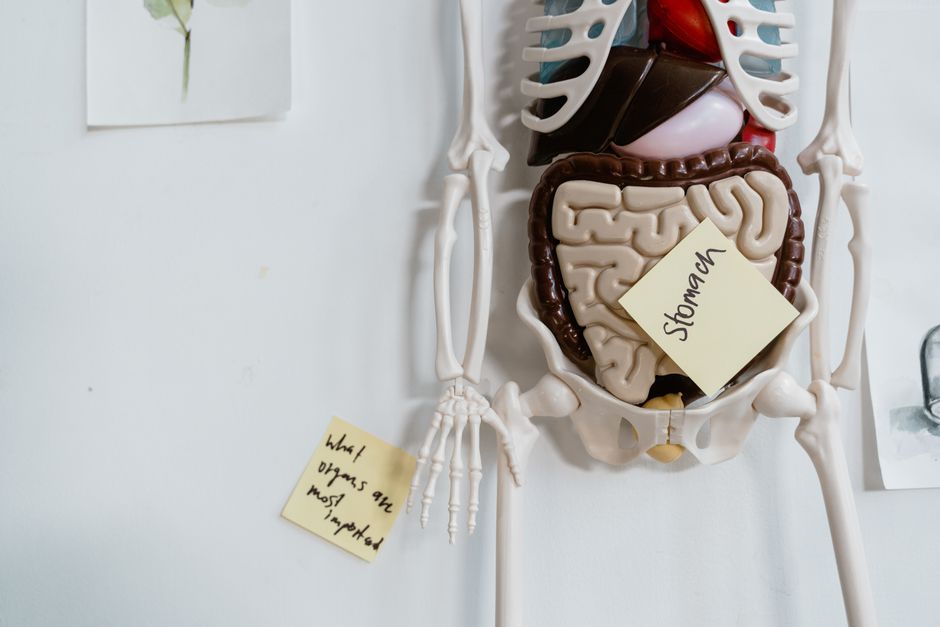
A stomach bug usually means viral gastroenteritis. It spreads when tiny amounts of infected stool or vomit get into your mouth. This is called the fecal-oral route. You touch a contaminated surface, then touch your mouth, and the virus is in. Some viruses also spread through the air when a person vomits. The steps below explain exactly how this happens in real life.
What Is a Stomach Bug Exactly?
A stomach bug is not the flu. Influenza attacks your lungs and airways. Viral gastroenteritis attacks your intestines and stomach lining. The most common causes are norovirus, rotavirus, and adenovirus. Norovirus causes most adult stomach bugs in the United States. Rotavirus mostly affects infants and young children.
These viruses infect the cells lining your small intestine. They multiply quickly. The infection causes inflammation, which leads to vomiting, diarrhea, and stomach cramps. Symptoms usually start 12 to 48 hours after exposure. Most healthy adults recover in one to three days without medical treatment.
How Do You Get A Stomach Bug? Step by Step Instructions
Step one: an infected person uses the bathroom. They do not wash their hands well. Norovirus particles are microscopic. A single gram of infected stool contains enough virus to make thousands of people sick.
Step two: the virus transfers to a surface. This happens when the person touches a doorknob, a faucet handle, a phone, or a food item. The virus can survive on hard surfaces for days or even weeks. It resists many common cleaners and hand sanitizers.
Step three: you touch the contaminated surface. The virus transfers to your fingertips. You do not feel anything. The virus is invisible and odorless.
Step four: you touch your mouth, nose, or food. This completes the journey. The virus enters your digestive tract and starts infecting cells. That is the entire infection cycle.
Step five: you become contagious. You can shed the virus in your stool before symptoms start. You remain contagious for up to two weeks after recovery in some cases. This is why stomach bugs spread so fast through households, schools, and cruise ships.
How Does the Virus Spread Through Food and Water?
Contaminated food is a major transmission route. An infected food handler who does not wash their hands can contaminate anything they touch. Lettuce, fresh fruit, and shellfish are common culprits. Oysters filter water and concentrate viruses inside their tissues. Eating raw or undercooked shellfish from contaminated water can cause infection.
Water can carry the virus too. Municipal water systems are usually treated and safe. Private wells can become contaminated by septic system failures or flooding. Ice made from contaminated water is also a risk. Travelers to areas with poor sanitation should drink bottled water and avoid ice.
Foodborne outbreaks often trace back to restaurants, catered events, and institutional kitchens. The CDC tracks these outbreaks closely. When a large group gets sick after a shared meal, contaminated food or water is usually the source.





Can You Catch a Stomach Bug From the Air?
Yes, but this is less common than surface transmission. When a person vomits, the force creates tiny droplets. These droplets can carry virus particles into the air. If you inhale them, you can become infected.
This is why norovirus outbreaks spread so quickly in enclosed spaces. A single vomiting episode in a school hallway or cruise ship dining room can expose many people. The virus particles settle on surfaces too, creating a second wave of exposure.
Airborne transmission does not mean the virus travels long distances like measles. It means you should stay several feet away from someone who is actively vomiting. You should also leave the area if possible and ventilate it before cleaning.
What Are the First Symptoms to Watch For?
Nausea is usually the first symptom. It may come on suddenly. Vomiting often follows within hours. Some people develop diarrhea instead of vomiting, or both at the same time.
Other common symptoms include stomach cramps, low-grade fever, headache, and muscle aches. Dehydration is the most serious complication. Watch for dark urine, dry mouth, dizziness, and decreased urination. These signs mean you are losing more fluids than you are taking in.
Infants, older adults, and people with weakened immune systems are at higher risk for severe dehydration. If you cannot keep any fluids down for more than 24 hours, contact a healthcare provider. Seek emergency care for blood in vomit or stool, high fever, or signs of severe dehydration.
How Long Are You Contagious?
You are contagious from the moment symptoms start. You are actually contagious before symptoms begin in many cases. The virus is present in your stool before you feel sick.
You remain contagious while you have symptoms. You can also shed the virus for days after you feel better. Norovirus can be shed in stool for up to two weeks. This is why hand washing must continue after recovery.
Do not prepare food for others until at least 48 to 72 hours after your symptoms stop. This guideline comes from public health recommendations for food handlers. It reduces the risk of spreading the virus to others. Some public health agencies recommend a longer exclusion period for healthcare workers and food service employees.
What Actually Kills the Virus on Surfaces?
Hand sanitizer does not reliably kill norovirus. This is a common misconception. Alcohol-based sanitizers have limited effectiveness against this specific virus. Soap and water are more effective because they physically remove the virus from your skin.
For surfaces, standard household cleaners may not work. Norovirus is resistant to many disinfectants. A bleach-based solution is the most reliable option. Mix one cup of bleach with one gallon of water for surface disinfection. This concentration is recommended by public health authorities for norovirus cleanup.
Wear gloves when cleaning vomit or diarrhea. Remove and wash contaminated linens immediately. Wash them in hot water and dry on high heat. Steam cleaning carpets and upholstery can help, but the heat must be sufficient to kill the virus.
How Can You Prevent Getting a Stomach Bug?
Hand washing is the single most effective prevention step. Wash with soap and warm water for at least 20 seconds. Wash before eating, after using the bathroom, and after changing diapers. This one habit prevents more infections than any other measure.
Wash fruits and vegetables thoroughly. Cook shellfish to an internal temperature of 145 degrees Fahrenheit. Do not prepare food for others if you have symptoms or have recently recovered. Stay home from work or school until symptoms resolve.
Rotavirus has a vaccine. It is given orally to infants in two or three doses, depending on the brand. This vaccine has dramatically reduced rotavirus infections in children since its introduction. No vaccine currently exists for norovirus, though clinical trials are ongoing.
How Do You Treat a Stomach Bug at Home?
There is no specific medication that cures viral gastroenteritis. Antibiotics do not work because the infection is viral, not bacterial. The illness resolves on its own as your immune system clears the virus.
Fluid replacement is the main treatment. Sip small amounts of water, broth, or an oral rehydration solution. Oral rehydration solutions contain the right balance of salt, sugar, and water. Sports drinks are not ideal because their sugar content can worsen diarrhea.
Eat bland foods as your appetite returns. Crackers, toast, rice, and bananas are gentle on the stomach. Avoid dairy, fatty foods, and spicy foods until you recover. Rest is important because your body is fighting an active infection.
Anti-diarrheal medications are not recommended for viral gastroenteritis. They can trap the virus in your system and prolong the illness. They are especially risky for children. Always ask a healthcare provider before giving any medication to a child with a stomach bug.
When Should You See a Doctor?
Most stomach bugs resolve without medical care. But some situations require professional attention. Seek care if you cannot keep down fluids for 24 hours. Seek care if you have signs of severe dehydration such as confusion, rapid heartbeat, or fainting.
Blood in your vomit or stool is a red flag. A fever above 102 degrees Fahrenheit in an adult warrants attention. In infants, any fever warrants a call to the pediatrician. Seek immediate care if symptoms last more than three days without improvement.
Dehydration is the main reason people end up in the hospital with a stomach bug. Intravenous fluids can quickly restore hydration. This is a standard and effective treatment. Most people who receive IV fluids feel significantly better within hours.
Frequently Asked Questions
Can you get a stomach bug from someone who has no symptoms?
Yes. People can shed the virus before symptoms start and for up to two weeks after recovery.
Does hand sanitizer kill the stomach bug virus?
No. Alcohol-based hand sanitizers do not reliably kill norovirus. Washing with soap and water is the effective method.
How long does the stomach bug virus live on surfaces?
Norovirus can survive on hard surfaces for days or even weeks. Bleach-based cleaners are needed to kill it reliably.
Can you get a stomach bug twice in one season?
Yes. Immunity to norovirus is short-lived, and different strains circulate each season.
