
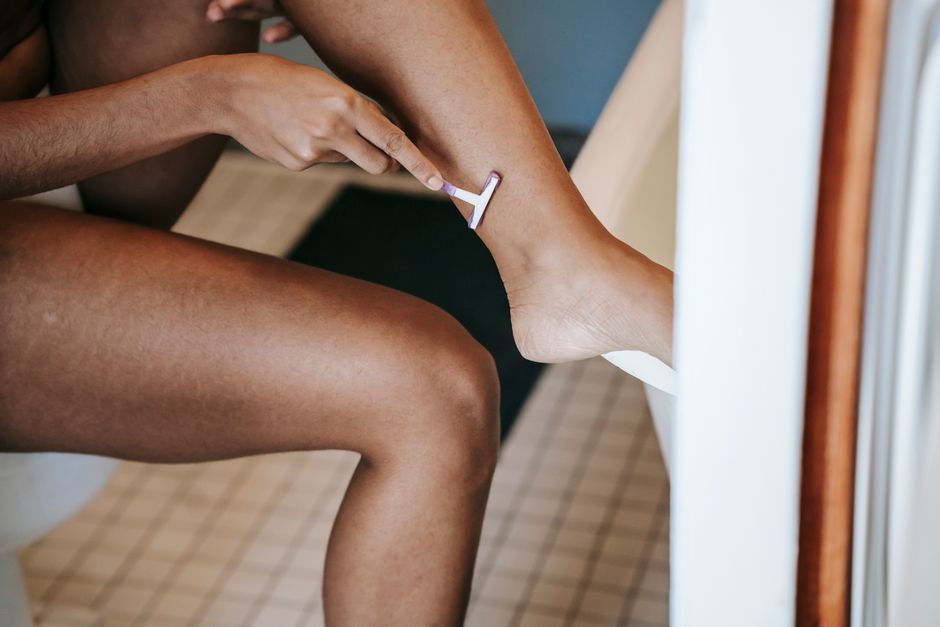
Stomach hair is completely normal. Both men and women have it, though it is often more noticeable in men. If you want it gone but hate the look and feel of stubble, shaving is not your only option. You can remove stomach hair with methods that pull it from the root, dissolve it with chemicals, or destroy the follicle so it stops growing back. The right choice depends on your skin sensitivity, pain tolerance, budget, and how permanent you want the results to be.
Why Shaving Is Often the Wrong Choice for Stomach Hair
Shaving cuts hair at the surface of the skin. It does not remove the hair below the skin line. This means the hair grows back within a day or two with a blunt tip that feels rough and prickly. On the stomach, that stubble rubs against clothing and can cause significant irritation.
Shaving also increases the risk of razor burn, ingrown hairs, and folliculitis — an infection of the hair follicle. The skin on the abdomen is delicate and often has a natural curve. That makes it hard to get a close, even shave without nicking yourself. For many people, the regrowth cycle and skin irritation make shaving the least appealing option for this specific body area.
Waxing Removes Hair From the Root
Waxing pulls the entire hair out, including the root. The results last three to six weeks because the hair must completely regrow before it becomes visible again. Over time, repeated waxing can weaken the follicle, and some people notice the hair grows back finer and sparser.
You can wax at home with pre-made strips or hard wax that you warm up. The process is straightforward: apply the wax in the direction of hair growth, press a cloth strip on top, and pull it off quickly against the direction of growth. The pain is brief but real. The stomach area is more sensitive than the legs because the skin is thinner and there are more nerve endings.
Home waxing kits are inexpensive compared to salon visits. However, getting the technique right takes practice. If you pull at the wrong angle or do not press the strip firmly enough, you can break the hair instead of pulling it out cleanly. Broken hairs lead to ingrown hairs, which are painful and can leave dark spots on the skin.
If you prefer professional results, a licensed esthetician can wax your stomach quickly and with less pain because they know exactly how to stretch the skin and pull the strip. The cost is higher, but the risk of error is lower.
Sugaring Is a Gentler Alternative to Wax
Sugaring uses a paste made from sugar, lemon juice, and water. It works the same way as waxing — the paste adheres to the hair and pulls it out from the root. The key difference is that sugaring paste is applied against the direction of hair growth and pulled off in the direction of growth. This reduces the amount of skin that gets pulled and makes the process less painful for many people.
Sugaring paste is water-soluble, so cleanup is much easier than wax. It also does not stick to live skin cells as aggressively as wax does, which means less redness and irritation afterward. The results last the same three to six weeks as waxing.
You can buy ready-made sugaring paste or make it at home. The DIY version takes practice to get the consistency right. If the paste is too sticky or too hard, it will not grab the hair properly and you will end up with broken hairs instead of clean removal.





Depilatory Creams Dissolve Hair at the Surface
Depilatory creams contain chemicals called thioglycolates. These break down the protein structure of the hair so it dissolves and can be wiped away. The hair is removed just below the skin surface, so results last slightly longer than shaving — usually three to seven days — but not as long as waxing.
The appeal is obvious: no pain, no sharp tools, and no risk of nicks. You apply the cream, wait the recommended time, and wipe it off with a spatula or washcloth. The process takes about ten minutes.
There are real downsides. These creams have a strong sulfur smell that some people find unpleasant. More importantly, they can cause chemical burns if left on too long. The stomach is a sensitive area, and the skin there can react badly to the active ingredients. Always do a patch test on a small area of skin 24 hours before applying the cream to your stomach. Follow the package timing exactly. Never leave the cream on longer than the instructions say, even if the hair is not fully dissolving.
Some research suggests that people with darker skin tones are more prone to post-inflammatory hyperpigmentation — dark spots — from depilatory creams. If you have sensitive skin or a history of skin reactions, this method may not be right for you.
Epilators Pluck Multiple Hairs at Once
An epilator is a small electric device with a rotating head of tiny tweezers. As you move it across the skin, the tweezers grab and pull out hairs rapidly. It is essentially mechanical plucking on a large scale.
The results last the same three to six weeks as waxing. The main advantage is cost — you buy the device once and use it for years. There is no ongoing expense for wax or salon visits.
The main disadvantage is pain. Epilators are known for being uncomfortable, especially on sensitive areas like the stomach. The sensation is a rapid series of small pinches. Some people find it tolerable after the first few uses, as the skin and nerve endings adapt. Others never get used to it.
Using an epilator on the stomach requires care. The skin there is not flat, and the device works best on taut skin. You may need to stretch the skin with one hand while running the device with the other. Go slowly at first to reduce the risk of breaking hairs, which leads to ingrown hairs.
Laser Hair Removal Offers Long-Term Reduction
Laser hair removal uses concentrated light to damage the hair follicle. The pigment in the hair absorbs the light, and the heat destroys the follicle’s ability to produce new hair. This is the only method on this list that can permanently reduce hair growth.
Laser treatment works best on people with light skin and dark hair. The laser targets pigment, so it needs contrast between the hair color and the skin color to be effective. People with dark skin or light blonde, gray, or red hair see poorer results because the laser cannot distinguish the hair from the surrounding skin or has no pigment to target.
Most people need six to eight sessions spaced four to six weeks apart to see significant reduction. The hair does not disappear completely in most cases. It grows back finer, lighter, and slower. Maintenance sessions once or twice a year may be needed to keep the area clear.
Laser hair removal is the most expensive option on this list. Each session for the stomach area can cost between $150 and $400 depending on where you live and the clinic you choose. It is not covered by insurance because it is considered cosmetic. Some clinics offer package deals that reduce the per-session cost.
Serious side effects are uncommon but possible. They include burns, blistering, and changes in skin color. Go to a licensed professional with experience treating your skin type. Do not buy at-home laser devices for the stomach — they use lower energy levels and the results are inconsistent.
Electrolysis Is the Only Permanent Solution
Electrolysis destroys the hair follicle with a tiny electric current. A thin probe is inserted into each individual hair follicle, and the current kills the follicle’s ability to regrow hair. This is the only method approved by the FDA for permanent hair removal.
The catch is time. Each hair follicle must be treated individually. The stomach can have thousands of hairs, and each one takes several seconds to treat. A single session might only cover a small area. Most people need multiple sessions over the course of a year or more to achieve the results they want.
Electrolysis is painful. People describe the sensation as a sharp sting or a quick pinch. Numbing cream can help. The cost adds up quickly because you are paying for many sessions, each of which may only treat a limited area.
This method works for all hair colors and skin types, which makes it the only permanent option for people with light hair. If permanent removal is your goal and you have the patience and budget, electrolysis is the gold standard. If you want a less intensive option and have the right hair and skin type, laser is a more practical choice.
How To Prevent Ingrown Hairs After Removal
Ingrown hairs happen when the hair grows back and curls into the skin instead of emerging through the surface. They are more common after waxing, sugaring, and epilating because these methods remove the hair completely, and the new hair has to push through the skin again.
Exfoliating the area gently two to three times a week helps. A soft washcloth or a mild body scrub removes dead skin cells that can trap hairs beneath the surface. Do not scrub aggressively — irritated skin makes ingrown hairs worse.
Moisturizing daily keeps the skin supple and reduces the chance of hairs getting trapped. Look for a fragrance-free moisturizer to avoid irritation. Some products contain salicylic acid or glycolic acid, which help keep the hair follicle clear. These can be effective, but start with a low concentration and use them only a few times per week to avoid over-drying the skin.
Wearing loose clothing for a day or two after hair removal reduces friction. Tight waistbands and athletic wear can irritate freshly treated skin and encourage ingrown hairs.
What To Do If You Get Irritation or an Infection
Mild redness and small bumps are normal after any hair removal method. They usually settle within a few hours to a day. Applying a cool compress or a gentle, fragrance-free moisturizer can help soothe the area.
If you develop painful, pus-filled bumps that do not improve within a few days, you may have folliculitis — an infection of the hair follicle. This requires treatment. Over-the-counter antibiotic ointments can help for mild cases. If the area is spreading, very painful, or you develop a fever, see a healthcare provider. You may need a prescription antibiotic.
Do not pick at ingrown hairs or bumps. Picking introduces bacteria and increases the risk of scarring and dark spots. If an ingrown hair does not surface on its own, a sterile needle can be used to gently lift the hair tip. If you are not comfortable doing this, a dermatologist can do it safely.
Frequently Asked Questions
Does waxing stomach hair make it grow back thicker?
No. Waxing does not change the thickness or color of hair regrowth. This is a common myth with no scientific support.
How long does laser hair removal last on the stomach?
Laser hair removal reduces hair growth permanently, but it rarely removes every hair. Most people need maintenance sessions once or twice a year to keep the area smooth.
Is it safe to use depilatory cream on the stomach?
It is safe for most people if you do a patch test first and follow the timing instructions exactly. The stomach is sensitive, so leaving the cream on too long can cause chemical burns.
Can I use an epilator on my stomach?
Yes, but it will hurt more than on your legs because the skin is thinner. Go slowly, stretch the skin taut, and expect some redness afterward.
