
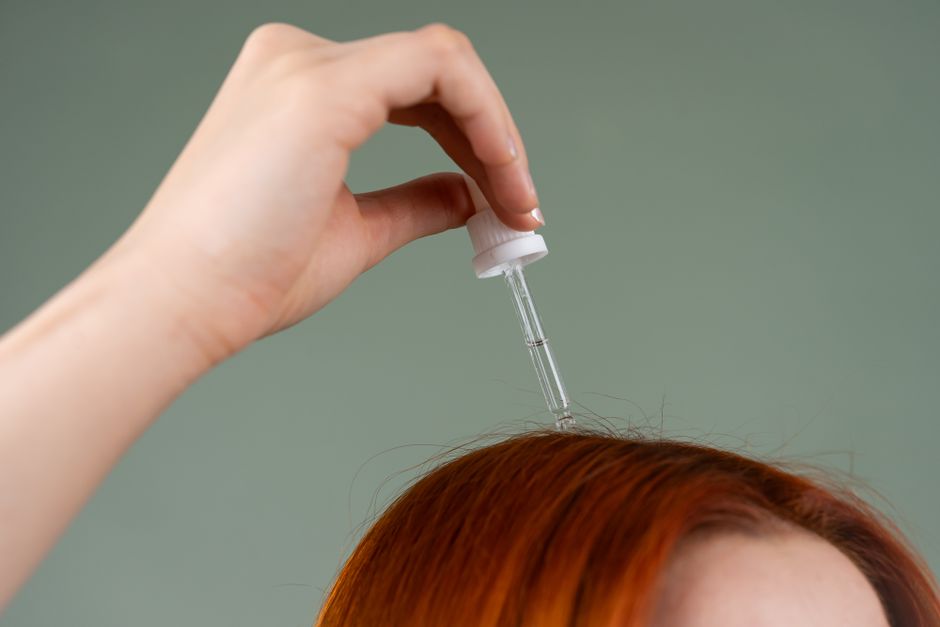
Yes, Candida yeast can affect the scalp, but it is not the most common cause of scalp problems. Most cases of scalp itching, flaking, or redness are due to other factors like dandruff, psoriasis, or infections from a different yeast called Malassezia. When Candida does grow on the scalp, it usually happens in people with weakened immune systems, recent antibiotic use, or excessive moisture trapped under hats or helmets. Scalp Candida looks different from typical dandruff — it often produces red, weepy patches with pustules rather than dry flakes. It requires a doctor’s diagnosis and prescription antifungal treatment.
What Is Candida Yeast on the Scalp?
Candida is a genus of yeast that normally lives on your skin, in your mouth, and in your digestive tract without causing problems. Your immune system and other microorganisms keep its growth in check. When something disrupts that balance, Candida can overgrow and cause an infection. On the scalp, this is called cutaneous candidiasis. It is far less common than dandruff (seborrheic dermatitis) or scalp psoriasis, but it does occur.
The most common species involved is Candida albicans. The scalp environment is usually too dry for Candida to thrive — the yeast prefers warm, moist areas like skin folds. So when you see it on the scalp, there is usually an underlying reason that created a favorable environment.
What Causes Candida Yeast to Grow on the Scalp?
Candida overgrowth on the scalp requires a disruption of normal skin defenses. Common triggers include:
- Weakened immune system – from conditions like HIV, diabetes, or chemotherapy, or from medications like corticosteroids.
- Prolonged antibiotic use – antibiotics kill bacteria that normally compete with yeast, allowing Candida to expand.
- Moisture and occlusion – wearing hats, helmets, or wigs for long periods traps sweat and heat against the scalp. This is a known risk factor for scalp yeast infections.
- Poor hygiene – infrequent washing can allow oil and dead skin to build up, creating a breeding ground for yeast.
- Skin damage – cuts, burns, or existing skin conditions like eczema can break the skin barrier and let yeast invade.
Hormonal changes, such as those during pregnancy or with birth control, can also alter the skin microbiome but are less commonly linked to scalp infections specifically. The evidence for dietary sugar directly causing scalp Candida is weak — no large study has confirmed that reducing sugar alone prevents or treats scalp yeast infections.
What Are the Symptoms of Scalp Candida?
Scalp Candida produces a distinct set of symptoms that differ from ordinary dandruff. Look for:
- Red, inflamed skin – patches are bright red and sometimes swollen.
- Pustules or papules – small pus-filled bumps that may ooze clear or yellow fluid.
- Itching and burning – the itch is often intense and may feel different from the mild itch of dandruff.
- Hair loss – hair may fall out in patches if the infection is severe or scratching damages the follicles. This is usually temporary if the infection is treated.
- Soreness – the scalp may feel tender to the touch.
These symptoms can also appear in other scalp conditions, so a doctor must rule out bacterial infection, ringworm (tinea capitis), or autoimmune diseases like psoriasis. If you have a fever or spreading redness, see a doctor immediately — that may signal a more serious bacterial superinfection.




How Is Scalp Candida Diagnosed?
Doctors usually diagnose scalp Candida by examining the affected area and taking a sample. They will scrape a small amount of skin or pus and look at it under a microscope. A potassium hydroxide (KOH) prep test can identify yeast cells. If the diagnosis is still unclear, they may send a sample to a lab for a fungal culture. That test can take up to two weeks but can confirm exactly which species of yeast is present and which antifungal drugs will work.
Self-diagnosis is not reliable. Many people mistake dandruff, psoriasis, or eczema for yeast. A doctor’s evaluation is needed because the treatments differ. Using an over-the-counter dandruff shampoo on a true Candida infection may not work and could delay proper treatment.
What Treatments Are Available for Scalp Candida?
Treatment depends on the severity of the infection. For mild cases, doctors often prescribe topical antifungal creams or shampoos. Common ingredients include:
- Ketoconazole – available in both over-the-counter (1%) and prescription (2%) strengths. Used as a shampoo or cream.
- Clotrimazole or miconazole – creams applied directly to the scalp.
- Nystatin – an antifungal that is effective against Candida but not other fungi.
For moderate to severe infections, oral antifungal pills may be necessary. Fluconazole (Diflucan) is the most common choice. It is usually taken for one to two weeks. Your doctor will determine the dose based on your weight and the severity of the infection. Do not take oral antifungals without a prescription — they can interact with other medications and affect your liver.
Some clinicians also recommend medicated shampoos containing selenium sulfide or zinc pyrithione to help reduce yeast on the scalp, but these are more effective against Malassezia than Candida. Always follow your doctor’s instructions for how long to use a treatment. Stopping too soon can lead to a recurrence.
No large clinical trials have tested home remedies like apple cider vinegar or tea tree oil specifically for scalp Candida. These are not proven treatments and may irritate the skin. Stick to medications that have been shown to work in controlled studies.
Can Scalp Candida Be Prevented?
Yes, several habits can reduce your risk. Keep your scalp dry and clean. Wash your hair regularly, especially after sweating. Avoid wearing hats or helmets for long periods without letting your scalp breathe. If you must wear headgear, take breaks to air out your scalp and wash it afterward.
Manage underlying health conditions like diabetes, which increases your risk of yeast infections everywhere on your body. Avoid unnecessary antibiotic use — only take them when prescribed by a doctor for a bacterial infection. If you have a weakened immune system, talk to your doctor about whether antifungal prophylaxis is appropriate for you.
There is no strong evidence that Probiotics taken by mouth prevent scalp yeast infections. Most research on probiotics for Candida focuses on vaginal and oral infections, not the scalp. Following a balanced diet supports overall health, but do not expect it to replace medical treatment.
Frequently Asked Questions
Is Candida on the scalp contagious?
Yes, Candida can spread from person to person through direct contact with infected skin or contaminated objects like towels or combs. However, it rarely causes infection in a healthy person because normal skin defenses usually prevent it.
Can dandruff be caused by Candida?
Unlikely. Dandruff is most often caused by the yeast Malassezia, not Candida. Candida infections on the scalp produce pustules and weeping skin, not the dry flakes typical of dandruff.
How long does it take to treat scalp Candida?
With proper antifungal treatment, symptoms usually improve within one to two weeks. Complete clearance may take up to four weeks. If the infection does not respond, a doctor may need to switch to a different antifungal or investigate other underlying causes.
