
An itchy scalp is one of the most common reasons people ask a pharmacist or dermatologist for help, and most cases can be improved with the right shampoo or a few simple habits at home. The cause matters more than the product: dandruff, seborrheic dermatitis, dry skin, product buildup, and contact reactions to hair dye or fragrances all itch in different ways and respond to different ingredients. Start by identifying what your scalp actually looks like — flaky and oily, dry and tight, or red and irritated — because that single observation narrows down which shampoos and home remedies are worth trying.
What Usually Causes An Itchy Scalp?
The most common cause is seborrheic dermatitis, a condition driven by an overgrowth of Malassezia, a yeast that naturally lives on everyone’s scalp. When the scalp produces excess oil, this yeast multiplies and triggers inflammation that shows up as flaking and itching. This is the same process behind ordinary dandruff, just milder.
Other frequent causes include:
- Contact dermatitis — a reaction to ingredients in shampoo, hair dye, or styling products, especially fragrances and preservatives.
- Dry scalp — often from cold weather, frequent hot showers, or overwashing, producing small white flakes rather than the larger yellowish ones of dandruff.
- Product buildup — residue from conditioners, gels, and dry shampoo that irritates the scalp over time.
- Psoriasis — thicker, silvery scales that can extend beyond the hairline.
- Fungal infections such as tinea capitis, which is more common in children and usually causes patchy hair loss alongside itching.
Distinguishing between these matters. A dry scalp treated with a strong anti-dandruff shampoo can get worse, and dandruff treated with a gentle moisturizing shampoo often does not improve at all.
How To Help An Itchy Scalp: Shampoos And Home Remedies That Work
Matching the active ingredient to the cause is the single most effective step. Anti-dandruff shampoos are not interchangeable — each active ingredient works differently, and rotating them can help when one stops working.
| Active Ingredient | How It Works | Best For |
|---|---|---|
| Zinc pyrithione | Reduces yeast and bacteria on the scalp | Mild to moderate dandruff |
| Ketoconazole | Antifungal that targets Malassezia directly | Seborrheic dermatitis |
| Selenium sulfide | Slows yeast growth and cell turnover | Stubborn dandruff |
| Salicylic acid | Loosens and removes scale | Thick flaking, buildup |
| Coal tar | Slows skin cell turnover | Psoriasis, severe dandruff |
| Ciclopirox | Antifungal | Seborrheic dermatitis |
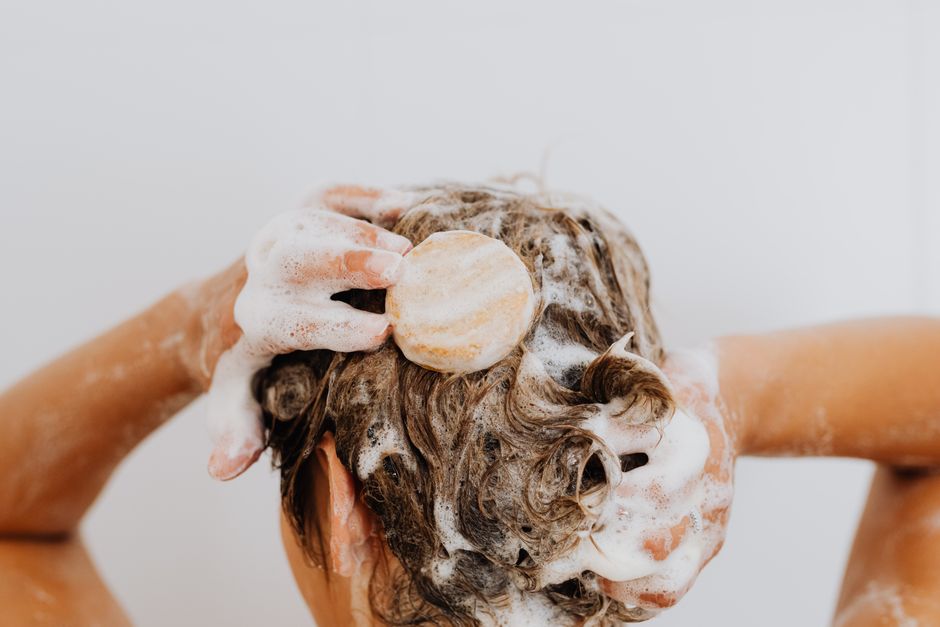
How you use the shampoo matters as much as which one you choose. Lather it into the scalp — not just the hair — and leave it in place for several minutes before rinsing. Most people rinse too quickly for the active ingredient to do its job. If you have seborrheic dermatitis, using a medicated shampoo two to three times a week is typical, though a clinician may recommend a different schedule depending on severity.
For milder cases, several home measures have reasonable support:
- Tea tree oil — some studies suggest it has antifungal and anti-inflammatory properties, and a small trial found it reduced dandruff severity compared with placebo. It can cause allergic reactions in some people, so test it on a small area first.
- Apple cider vinegar — often promoted as a rinse, but there is no strong clinical evidence it treats dandruff. It may help loosen scale slightly due to its acidity, but it can also irritate broken skin.
- Aloe vera — soothing for irritation, though evidence for treating dandruff specifically is limited.
- Scalp massage — improves circulation and can ease the urge to scratch, but does not treat an underlying cause.
Be cautious with coconut oil and olive oil. They can feel soothing, but Malassezia yeast feeds on certain oils, and applying them heavily may worsen dandruff in some people. This is one of the more counterintuitive points in scalp care — what feels moisturizing can feed the very organism causing the itch.
How Often Should You Wash Your Hair If Your Scalp Itches?
Washing frequency depends on your scalp type, not a fixed rule. People with oily scalps and dandruff often do better washing more often — sometimes daily with a gentle shampoo and a medicated one a few times a week. People with dry scalps may do better washing less often and using lukewarm rather than hot water.
The idea that frequent washing damages hair is largely a myth for most people. What damages hair is harsh cleansing, hot water, and rough towel drying. If your scalp itches and flakes, skipping washes usually makes it worse because oil and dead skin accumulate.
If you use dry shampoo, treat it as a temporary fix. Overuse can cause buildup that irritates the scalp and clogs follicles. Wash it out within a day or two.





When Should You See A Doctor About An Itchy Scalp?
See a clinician if the itch does not improve after several weeks of consistent medicated shampoo use, if you notice patchy hair loss, if the scalp is intensely red, swollen, or oozing, or if the itching disrupts your sleep. These signs point to causes that need a proper diagnosis, not a drugstore product.
Also seek care if you have a weakened immune system, diabetes, or a scalp rash that spreads. Tinea capitis, in particular, requires prescription oral antifungal treatment — topical shampoos alone do not cure it because the infection involves the hair follicle.
Some clinicians recommend a prescription-strength topical corticosteroid for short-term relief of severe inflammation, but this is not something to self-treat. Steroids used incorrectly can thin the skin and mask an infection.
What Home Habits Make An Itchy Scalp Worse?
Several everyday habits quietly make itching worse, and fixing them is often as helpful as any product.
- Scratching — breaks the skin barrier and can lead to secondary infection, which then itches more. This creates a cycle that is hard to break.
- Hot water — strips oils and increases dryness and irritation.
- Harsh sulfates and fragrances — common triggers for contact dermatitis. If you suspect a reaction, switch to a fragrance-free, sulfate-free product for a few weeks and see if things change.
- Tight hats and helmets — trap sweat and heat, which encourages yeast growth.
- Overusing styling products — leaves residue that irritates the scalp over time.
Stress deserves a mention. It does not cause dandruff, but it can worsen itching and inflammation, and the relationship runs both ways — an itchy scalp is stressful, and stress makes it itch more.
Do Natural Remedies Actually Work For Dandruff?
Some do, but the evidence is uneven. Tea tree oil has the most support among natural options, with small studies showing reduced flaking and itching. Other popular remedies — garlic, lemon juice, baking soda — have little to no clinical evidence and can irritate the scalp or disrupt its natural barrier.
The honest position is that natural does not mean gentle or effective. Essential oils can cause contact dermatitis, and undiluted applications can burn the skin. If you want to try a natural approach, treat it like any other treatment: give it a few weeks, watch for irritation, and stop if it makes things worse.
For most people, a proven active ingredient used correctly will outperform a home remedy. That is not a knock on natural options — it is simply where the evidence sits.
Frequently Asked Questions
What is the fastest way to stop an itchy scalp?
A medicated anti-dandruff shampoo containing ketoconazole or zinc pyrithione, left on the scalp for several minutes before rinsing, is the most reliable first step. Relief usually builds over one to two weeks of consistent use rather than after a single wash.
Is apple cider vinegar good for an itchy scalp?
There is no strong clinical evidence that apple cider vinegar treats dandruff or seborrheic dermatitis. It may loosen scale slightly because of its acidity, but it can also irritate inflamed or broken skin.
Can an itchy scalp cause hair loss?
Itching itself does not cause hair loss, but the conditions behind it can. Scratching can damage follicles, and conditions like tinea capitis or severe seborrheic dermatitis may lead to temporary or permanent hair loss if untreated.
How long should I use dandruff shampoo before expecting results?
Most people notice improvement within two to four weeks of regular use. If there is no change after several weeks, or if the scalp is red, swollen, or losing hair, see a clinician for a proper diagnosis.
