
Yes, you can usually work out after routine blood work. For a standard blood draw from a vein in your arm, most people can return to normal activity right away, including exercise. The main things to manage are a small risk of bruising or bleeding at the needle site and the rare chance of feeling lightheaded. Certain situations — like donating blood, having blood drawn for a specific test, or feeling faint during the draw — call for more caution.
What matters is the type of blood work, how much blood was taken, and how you felt during and after the draw. This guide explains the timing, the real risks, and when it makes sense to wait.
Can You Work Out After Blood Work Timing And Safety?
For a routine blood test, there is no medical reason to skip a workout. A standard draw takes only a few small tubes of blood — a tiny fraction of your total blood volume — and your body does not need time to “recover” from it the way it would after donating a pint.
The timing question is mostly about comfort and the needle site, not your blood volume. If you feel fine and the site has stopped bleeding, you can exercise the same day. Many people go straight from the lab to the gym without any issue.
A few practical points help:
- The puncture site. Keep pressure on the site for a few minutes after the draw and leave the bandage on for a while. Avoid heavy gripping or repeated bending of that arm for the first hour or so if it feels tender.
- How you felt during the draw. If you became dizzy, sweaty, or nauseated, sit and have a snack and fluids before doing anything strenuous. That reaction is a vasovagal response — a reflex that lowers heart rate and blood pressure — not blood loss.
- Hydration and food. If you fasted for the test, eat and drink before exercising. Training on an empty stomach after a morning fast is more likely to leave you lightheaded than the blood draw itself.
There is a common misconception worth clearing up. People sometimes worry that exercise will “use up” something the test measured or somehow undo the results. It will not. Your blood test reflects the sample taken at that moment. What you do afterward has no effect on those results.
Does Exercise After a Blood Draw Cause Problems?
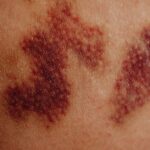
The realistic risks are minor and local. The most common is a small bruise or a bit of soreness where the needle went in. This happens when a small amount of blood leaks under the skin. It is harmless and fades on its own.
Heavy use of the arm right after the draw can make bruising more likely, especially if the phlebotomist had trouble finding a vein or you were asked to hold pressure longer than usual. If the site is still tender, give that arm a rest from heavy lifting, gripping, or pulling for a day. Legs, core, and cardio are unaffected.
Feeling faint is the other thing to watch. A small number of people have a vasovagal reaction during or shortly after a blood draw. If that happened to you, treat it like any other fainting episode: sit or lie down, have something to eat and drink, and do not drive or exercise until you feel completely normal.
Serious complications from a routine blood draw are rare. Prolonged bleeding is unusual in people without a bleeding disorder or without blood-thinning medication. If bleeding at the site will not stop after ten minutes of firm pressure, or if the arm swells, becomes very painful, or goes numb, seek medical care rather than working out.
When Should You Wait Before Exercising?
Some situations genuinely call for waiting. The most important is blood donation. Donating a full unit — roughly a pint — removes a meaningful share of your red blood cells and fluid volume, and that is a different situation from a routine test tube draw.
After a whole-blood donation, official guidance generally advises avoiding strenuous activity or heavy lifting for the rest of the day, and some blood services suggest waiting longer before intense exercise. The reason is that your blood volume and oxygen-carrying capacity take time to return to normal. Light activity is usually fine once you feel well, but hard training is best delayed. If you have donated, follow the specific instructions from the collection center — they know how much was taken and your individual situation.
Other reasons to hold off:
- You felt faint or actually fainted. Wait until you are fully recovered, have eaten and had fluids, and feel steady on your feet.
- The site is still bleeding or badly bruised. Let it settle first.
- You had a large volume of blood drawn for a special test or procedure. Ask the lab or your clinician whether any restriction applies.
- You were told to fast and feel shaky or weak. Eat first. That is about the fasting, not the blood.
If you take a blood thinner such as warfarin or a direct oral anticoagulant, bleeding at the puncture site can take longer to stop. That does not automatically rule out exercise, but it is worth holding firm pressure a little longer and watching the site before you train that arm hard.

Does Blood Work Affect Workout Performance?
For a routine test, no. The volume taken is small and your body replaces the fluid quickly. You should not notice any effect on strength, stamina, or recovery.
Donation is the exception. After giving a full unit, some people feel more tired than usual during exercise for a few days, and performance can dip until blood volume and red blood cells recover. Red blood cell replacement takes longer than fluid replacement — weeks, not hours. This is why blood services advise against intense training soon after donating.
Here is a simple way to think about the difference:
| Type of draw | Approximate volume | Typical exercise guidance |
|---|---|---|
| Routine blood test | A few small tubes (a few teaspoons) | Normal activity usually fine right away |
| Whole-blood donation | About one pint (roughly 450–500 mL) | Avoid strenuous activity for the rest of the day; delay hard training |
These are general patterns. Your own response depends on your size, hydration, and how you felt during the draw.
Should You Fast Before Exercise After Blood Work?
No — and this is where people most often go wrong. Many blood tests require fasting beforehand. If you had an early-morning fasting draw and then head to the gym without eating, you are more likely to feel lightheaded or underfueled than you would be from the blood draw itself.
Eat a normal meal and drink water before you exercise. There is no rule that says you must train on an empty stomach after a blood test. If anything, food and fluids help you feel steady, especially if the draw left you a little queasy.
If your test did not require fasting, this is a non-issue. Just follow your usual routine.
What Should You Do at the Gym Right After a Blood Draw?
Use common sense and let your body guide you. If you feel well, train as usual. If the arm is tender, keep heavy pulling and gripping on that side light for the day and focus on other movements.
A few sensible habits:
- Keep the bandage on for a while and check that the site has stopped bleeding before you start.
- Wash your hands and keep the puncture site clean, especially if you will be using shared equipment.
- Stay hydrated, particularly if you trained hard or it is warm.
- Stop and sit down if you feel dizzy, and let someone know if you feel unwell.
If you are unsure because of a specific test, a bleeding disorder, anticoagulant medication, or a rough draw, a quick question to the lab staff or your clinician settles it. They can tell you whether anything about your particular draw calls for caution.
Frequently Asked Questions
Can I work out the same day as a blood test?
Yes, for a routine blood test most people can exercise the same day once the site has stopped bleeding and they feel well. If you felt faint during the draw or had a large volume taken, wait until you have recovered.
How long should I wait to exercise after donating blood?
Official guidance generally advises avoiding strenuous activity and heavy lifting for the rest of the day after a whole-blood donation. Many blood services suggest waiting longer before intense training, so follow the instructions from your collection center.
Can exercise affect my blood test results?
No, exercise after the draw cannot change results from a sample already taken. Intense exercise before some tests can affect certain measurements, which is why timing before the draw matters, not after.
Is it normal to feel dizzy after blood work?
A small number of people have a brief dizzy or faint feeling from a vasovagal reflex during or after a draw. Sit down, eat and drink something, and do not exercise until you feel completely normal.
