
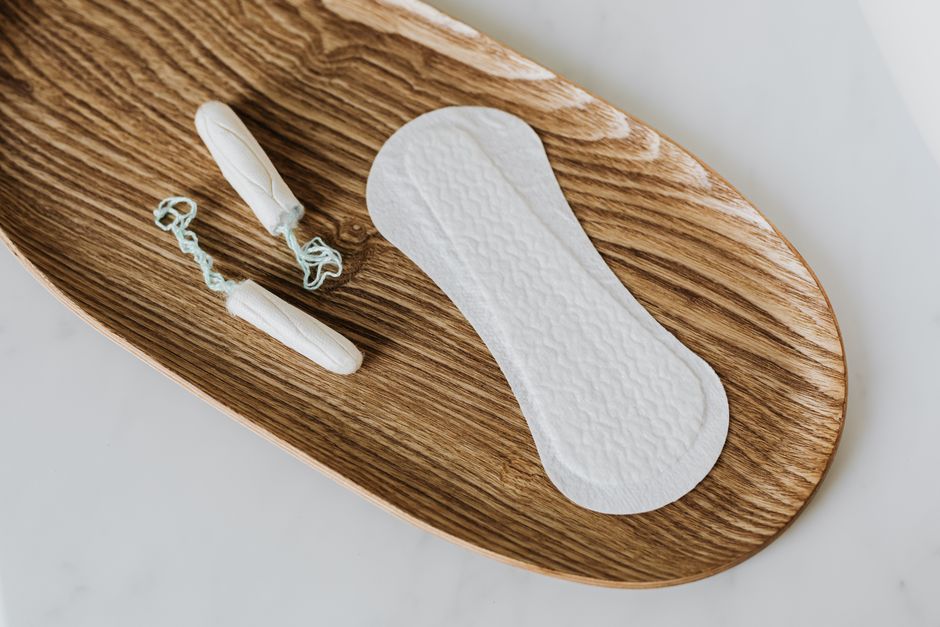
Yes, you can use tampons with an IUD. This is a common question, and the short answer is that tampons do not pull out or dislodge a properly placed intrauterine device. The IUD sits inside your uterus, while a tampon sits in your vaginal canal, and the two are separated by your cervix. However, there are a few important timing considerations and safety steps to keep in mind, especially in the first few weeks after insertion.
Can You Use Tampons With IUD Right After Insertion?
Most doctors recommend waiting until your follow-up appointment to use tampons. This is not because a tampon can pull the IUD out, but because of infection risk.
Insertion leaves the cervix slightly open. For the first 24 to 48 hours, there is a small window where bacteria could travel from the vagina into the uterus. Using a tampon during this time introduces an object and potentially bacteria into the vaginal canal.
Most clinicians advise using pads or panty liners until your doctor clears you. Some practices say 24 hours is enough. Others recommend waiting until your one-month checkup. Follow the specific advice your clinician gives you.
Bleeding after insertion is normal. Spotting and light bleeding can last for several days. Pads are the safer choice during this window, even if it feels inconvenient.
How Do Tampons and IUDs Work Together?
Understanding the anatomy helps explain why tampons are safe with an IUD. The IUD is placed inside the uterine cavity. The uterus is a muscular organ above the cervix. The cervix is the narrow opening at the bottom of the uterus. The vagina is the canal below the cervix.
A tampon sits entirely within the vaginal canal. It never enters the cervix or the uterus. There is no physical way for a tampon to reach the IUD itself.
What you might feel is the IUD string. The string is a thin piece of plastic thread that hangs through the cervix into the upper vagina. Doctors leave the string long enough so you can check it, but short enough that it should not be bothersome.
Some people feel the string during intercourse or when inserting a tampon. This is usually harmless. If the string is causing discomfort, a doctor can trim it slightly. Do not try to trim it yourself.
Can a Tampon Pull Out an IUD?
No. A tampon cannot pull out an IUD. The tampon never touches the IUD because the cervix sits between them.
The only way an IUD comes out is if the uterus pushes it out on its own, which is called expulsion. Expulsion happens in a small percentage of IUD users, most often in the first year. It is not caused by tampon use.
When you remove a tampon, you pull on the string attached to the tampon. That string is in your vagina, but it is not connected to the IUD. The IUD string is a separate structure. Confusing the two is understandable, but they are entirely separate.
Some people worry that the tampon string might tangle with the IUD string. This is extremely unlikely. The IUD string is short and lies against the vaginal wall. A tampon is placed higher in the canal. Even if the strings touched, removing the tampon would simply slide it past the IUD string without pulling on it.




What Should You Do If You Feel Pain or Discomfort?
Mild cramping in the first few days after insertion is normal. Your uterus is adjusting to a foreign object. This usually settles within a week.
If you feel sharp pain when inserting or removing a tampon, stop and check in with yourself. Pain is not normal during routine tampon use. It could be a sign that something else is going on.
Call your doctor if you experience any of the following:
- Severe cramping that does not improve
- Fever or chills
- Unusual or foul-smelling discharge
- Pain during intercourse
- Bleeding that is heavier than your normal period
- You cannot feel the IUD string when you check for it
These symptoms could indicate infection, expulsion, or perforation. Perforation is rare but serious. It happens when the IUD pushes through the uterine wall during insertion. If you have any concern, do not wait. Contact your healthcare provider.
How Do You Check Your IUD Strings?
Checking your strings is part of routine IUD care. Your doctor will show you how at your follow-up visit. It is a simple process you can do at home.
Wash your hands thoroughly. Sit or squat in a comfortable position. Insert one or two fingers into your vagina until you feel your cervix. The cervix feels like a firm, small donut. The strings should feel like thin fishing line coming through the center.
Check your strings once a month, ideally between periods. This helps you confirm the IUD is still in place. If you cannot feel the strings, do not panic. Sometimes they curl up or get tucked behind the cervix.
If you cannot feel the strings and you have been using tampons, the tampon did not cause this. The strings may simply be out of reach. Your doctor can use an ultrasound to confirm the IUD position.
Are There Better Alternatives to Tampons With an IUD?
Tampons are safe with an IUD, but some people prefer other options. Menstrual cups and discs are a different story. These devices create a seal inside the vagina, and some create suction against the cervix.
Research on menstrual cups and IUDs is limited. Some case reports describe IUD expulsion associated with menstrual cup use. The suction created when removing the cup may pull on the IUD string or the IUD itself.
This does not mean everyone who uses a menstrual cup will expel their IUD. The risk appears small. But the evidence is not strong enough to say cups are as safe as tampons.
If you use a menstrual cup with an IUD, break the seal before removing it. Insert a finger alongside the cup to release the suction, then pull it out gently. Never yank the cup out by the stem.
Period underwear and pads carry no risk at all. They do not enter the vaginal canal, so they cannot interact with the IUD in any way.
What About the First Period After IUD Insertion?
Your first period with an IUD may be different from your normal period. Hormonal IUDs often cause lighter bleeding over time, but the first few months can bring irregular spotting and unpredictable flow.
Copper IUDs often make periods heavier and cramping more intense. This is a known side effect, not a sign that something is wrong.
You can use tampons during these periods once your doctor has cleared you. The flow may be heavier than you expect, so choose an absorbency that matches your actual flow. Using a higher absorbency than needed increases the risk of vaginal dryness and micro-tears, which can raise infection risk.
Change tampons every four to eight hours. Leaving one in longer than eight hours increases the risk of toxic shock syndrome, a rare but serious bacterial infection. This risk exists regardless of IUD use.
Frequently Asked Questions
Can a tampon dislodge an IUD?
No. A tampon sits in the vaginal canal and cannot reach the IUD in the uterus. The cervix separates the two, so tampon use does not dislodge an IUD.
How long after IUD insertion can I use a tampon?
Most doctors recommend waiting 24 to 48 hours, though some advise waiting until your follow-up visit. This is to reduce infection risk while the cervix is slightly open, not because of displacement risk.
Can I use a menstrual cup with an IUD?
Some people do, but the evidence is limited and case reports link cup removal to IUD expulsion. If you use a cup, always break the suction seal before removing it.
What should I do if I can’t feel my IUD strings?
Check again in a few days, as strings can shift position. If you still cannot feel them, contact your doctor for an ultrasound to confirm the IUD is in place.
Using tampons with an IUD is safe for most people after the initial healing period. The key is following your doctor’s timing advice and paying attention to your body. If something feels off, trust that feeling and get checked. The IUD is one of the most effective forms of birth control available, and normal tampon use does not interfere with its effectiveness.
