
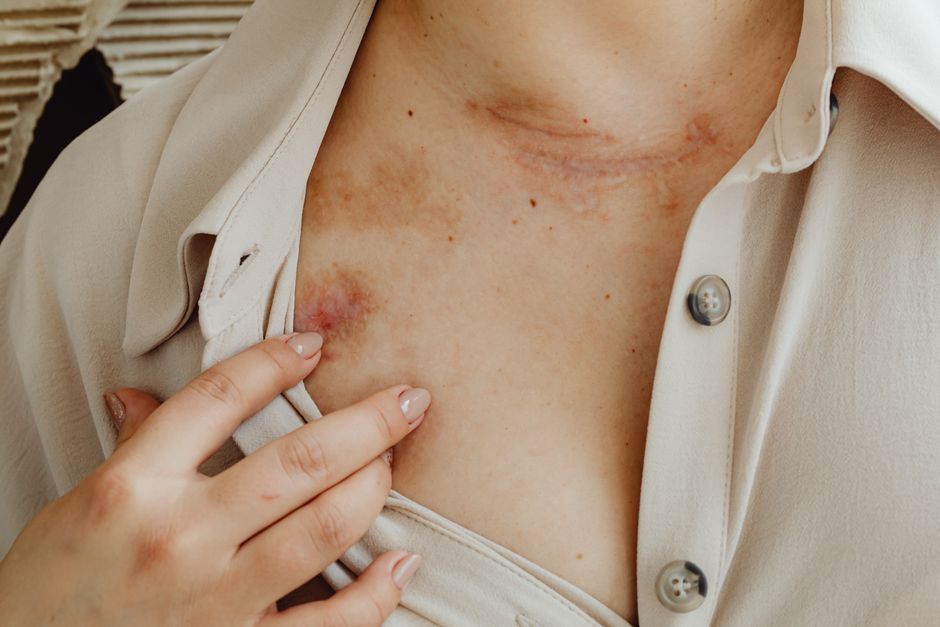
Tretinoin is one of the most studied topical treatments for acne and photoaging, and it also has a genuine, evidence-backed role in reducing certain types of scars. It works by increasing cell turnover and stimulating collagen production, which helps fade discoloration and improve skin texture over time. However, it is not a magic eraser; its effectiveness depends heavily on the type of scar you have, how long you use it, and how your skin tolerates the medication.
Does Tretinoin Help With Scars?
Yes, but the type of scar matters more than the product itself. Tretinoin is most effective for acne scars that are flat but discolored—often called post-inflammatory hyperpigmentation or post-inflammatory erythema. It is less effective for deep, pitted “ice pick” scars and has limited impact on raised, thickened scars like keloids.
For flat, discolored scars, tretinoin speeds up the skin’s natural exfoliation process. This clears out the pigmented or red cells faster, revealing newer, healthier skin underneath. For texture issues, the collagen stimulation can gradually soften shallow rolling scars, but this requires months of consistent use and results are often subtle compared to in-office procedures.
How Tretinoin Works on Scar Tissue
Tretinoin is a retinoid, a compound derived from vitamin A. When applied to the skin, it binds to specific receptors in the nuclei of skin cells. This binding triggers genetic changes that alter how the skin behaves.
The two main effects relevant to scarring are increased cell turnover and increased collagen production. Increased cell turnover means the top layer of dead, pigmented skin cells is shed more quickly. This directly reduces the appearance of dark marks left behind after acne heals.
Increased collagen production helps rebuild the skin’s structural support. As new collagen forms, the skin becomes thicker and firmer. For shallow scars, this can plump up the depressed area slightly, making the surface more even. This process is slow. Visible improvement in texture typically takes three to six months of daily use.
It is important to understand that tretinoin does not break down existing scar tissue. It works by building new skin around the scar and by removing the top layer of discolored cells. The physical scar itself—if it is a deep divot or a raised bump—is not directly dissolved by the medication.
Types of Scars Tretinoin Can Help
Not all scars respond the same way to tretinoin. Knowing which category your scar falls into sets realistic expectations.
- Post-inflammatory hyperpigmentation (PIH): These are flat, brown, or gray marks left after inflammation. Tretinoin is highly effective here because it accelerates the removal of excess melanin. Improvement is often noticeable within eight to twelve weeks.
- Post-inflammatory erythema (PIE): These are flat, red, or pink marks caused by dilated blood vessels after acne heals. Tretinoin helps by thickening the skin and improving its barrier, which can reduce the visibility of these vessels over time. Results are slower than with PIH.
- Shallow rolling scars: These are broad, shallow depressions with sloping edges. Tretinoin’s collagen stimulation can improve their appearance modestly over six to twelve months.
- Ice pick and boxcar scars: These are narrow, deep pits or sharply defined depressions. Tretinoin alone is unlikely to change their depth significantly. These often require procedural treatments like laser resurfacing or microneedling.
- Keloids and hypertrophic scars: These are raised, thickened scars. Tretinoin is not a first-line treatment for these. In some cases, retinoids may help flatten them slightly, but steroid injections or silicone sheets are the standard approach.





How Long Before You See Results?
Patience is the single biggest factor in whether tretinoin works for you. The skin’s natural renewal cycle is roughly 28 days, but remodeling collagen takes much longer.
For dark spots, most dermatologists suggest noticeable fading after eight to twelve weeks of consistent nightly use. For texture changes and shallower scars, expect a minimum of three to six months. Some people see continued improvement for up to a year.
One clinical reality: if you stop using tretinoin, the benefits reverse. The skin returns to its normal cell turnover rate, and discoloration can gradually reappear if the underlying cause—such as acne—remains active. Tretinoin is a maintenance treatment, not a one-time fix.
Consistency matters more than quantity. Using a pea-sized amount every night is more effective than using a larger amount sporadically. More does not equal faster results. In fact, overuse leads to irritation, which can worsen pigmentation and defeat the purpose.
How to Use Tretinoin Safely for Scars
Tretinoin is a prescription medication. You should not start it without a clinician’s guidance, especially if you are pregnant or planning to become pregnant. Tretinoin is known to cause birth defects and is strictly contraindicated during pregnancy.
When you do start, a standard approach helps minimize irritation:
- Start with the lowest concentration available, typically 0.025% cream.
- Apply a pea-sized amount to the entire face, not just the scar. Spot-treating can cause uneven results.
- Apply only at night. Tretinoin breaks down in sunlight.
- Wait twenty minutes after washing your face before applying. This reduces absorption and irritation.
- Use a moisturizer and sunscreen daily. Tretinoin makes the skin more sensitive to UV damage.
Expect a “retinization” period in the first two to four weeks. This often involves redness, peeling, and dryness. These side effects usually subside as the skin adapts. If irritation is severe, reduce frequency to every other night until the skin tolerates it.
No clinical guidelines specify a maximum duration for tretinoin use for scars. Many people use it for years as part of an anti-aging routine. The safety profile is well established for long-term topical use when applied correctly.
What Tretinoin Cannot Do
It is worth stating plainly: tretinoin cannot erase scars. It cannot remove deep scar tissue, and it cannot restore skin that has been permanently lost. For deep pitted scars, the results from tretinoin alone are often disappointing.
Marketing claims sometimes suggest that any retinoid can “resurface” skin like a laser. This is not accurate. Tretinoin is a mild exfoliant and collagen stimulant. It does not vaporize tissue or physically remodel deep scars the way fractional lasers or dermabrasion do.
For deep scars, combination therapy is the evidence-based approach. Dermatologists often pair tretinoin with procedures such as microneedling, chemical peels, or laser therapy. Tretinoin is used to maintain results and improve overall skin quality, while the procedure addresses the structural defect directly.
Alternatives and Comparisons
Tretinoin is not the only option for scar treatment. Other retinoids, such as adapalene and tazarotene, work similarly but have slightly different profiles. Adapalene is often better tolerated; tazarotene is more potent but more irritating.
For dark spots specifically, topical hydroquinone, azelaic acid, or tranexamic acid are common alternatives. These target pigment production directly rather than speeding up cell turnover. Some dermatologists recommend combining tretinoin with hydroquinone for stubborn hyperpigmentation.
For textural scars, in-office procedures remain the gold standard. Microneedling, subcision, and fractional laser resurfacing physically disrupt scar tissue and stimulate new collagen. These produce more dramatic results than tretinoin alone, but they cost more and require downtime.
Silicone gel sheets are the standard for raised scars. They hydrate the scar and flatten it over time. Tretinoin is not typically used as the primary treatment for keloids or hypertrophic scars.
Risks and Side Effects
The most common side effects are local skin reactions: redness, dryness, peeling, and a burning sensation. These are usually dose-dependent and improve with time. Starting at a low concentration and increasing gradually reduces the risk.
A less common side effect is “retinoid dermatitis,” a severe form of irritation that can cause blistering and crusting. This usually happens when too much product is applied or when it is combined with other irritating actives like benzoyl peroxide or alpha-hydroxy acids.
Sun sensitivity is a genuine concern. Tretinoin thins the outer layer of skin during the first weeks of use, temporarily increasing susceptibility to sunburn. Daily broad-spectrum sunscreen is not optional—it is required for safe use.
There is no evidence that tretinoin increases the risk of skin cancer. Some early animal studies raised questions, but long-term human data has not confirmed this risk. The opposite may be true: by treating sun damage, tretinoin may reduce the risk of precancerous lesions.
Frequently Asked Questions
Can tretinoin remove old scars?
It can fade discoloration and improve texture in older scars, but it cannot remove deep scar tissue. The older the scar, the slower the response, but collagen remodeling can still occur.
Is tretinoin better than vitamin C for scars?
They target different problems. Tretinoin speeds up cell turnover and collagen production, while vitamin C primarily inhibits melanin production for dark spots. Many people use both, but they are not interchangeable.
Can I use tretinoin on a new wound?
No. Do not apply tretinoin to open wounds, fresh cuts, or actively broken skin. It is meant for healed skin. Applying it to a fresh wound increases irritation and can delay healing.
Does tretinoin work for raised keloid scars?
Evidence is limited. Tretinoin is not a standard treatment for keloids. Steroid injections, silicone sheets, and pressure therapy have stronger evidence for flattening raised scars.
