
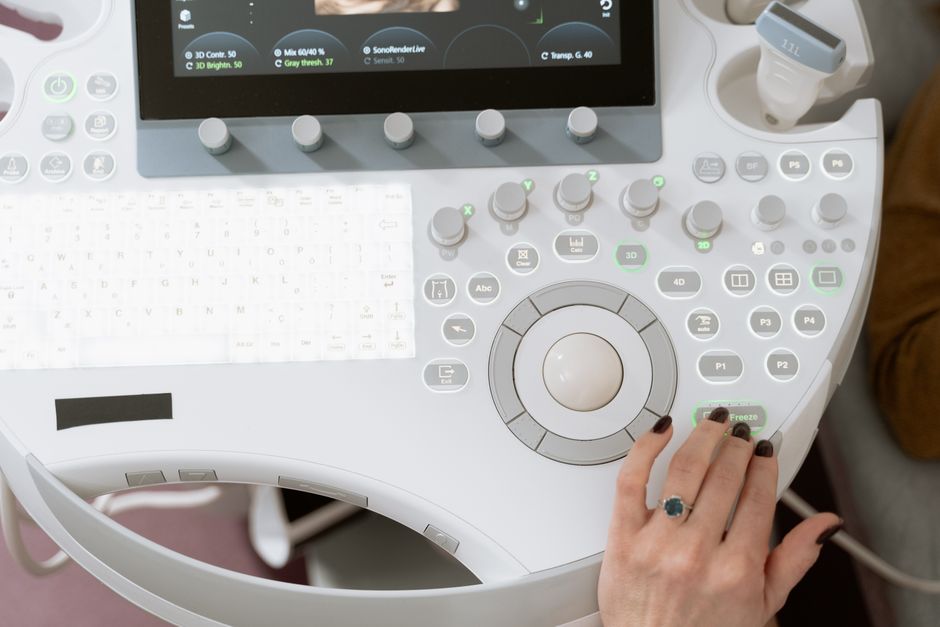
No, a CT scan cannot reliably show endometriosis. CT is good at imaging bones, blood vessels, and large organs, but it is not a good test for finding endometrial tissue outside the uterus. The test most often used to diagnose endometriosis is laparoscopy, a minor surgery that lets a doctor look directly at the pelvic organs and take tissue samples.
That answer surprises many people. CT scans are ordered so often for pelvic pain that it seems like they should catch everything. They do not catch this. Understanding why comes down to what CT can actually see and what endometriosis looks like inside the body.
What Does a CT Scan Actually Show?
A CT scan uses X-rays taken from many angles to build cross-sectional pictures of the body. It is excellent for detecting fractures, kidney stones, tumors, blood clots, and fluid buildup. It can also show the size and shape of organs like the uterus and ovaries.
What CT cannot do well is distinguish one type of soft tissue from another when the two look similar on X-ray imaging. Endometriosis implants are small patches of tissue that can sit on the surface of organs, behind the uterus, or on the bowel. They often look like normal tissue on a CT image, or they are simply too small to see.
This is not a flaw in the machine. It is a limit of the technology. CT works on density, and endometrial implants have density similar to the tissue around them.
Why Is Endometriosis So Hard to See on Imaging?
Endometriosis is a condition where tissue similar to the lining of the uterus grows outside the uterus. That tissue can attach to the ovaries, fallopian tubes, bowel, bladder, and the lining of the pelvic cavity. It responds to hormones, bleeds during periods, and causes inflammation and scar tissue over time.
The problem for imaging is the size and location of these growths. Many implants are only a few millimeters across. Some are flat and spread thinly over a surface rather than forming a lump. Others hide behind the uterus or under adhesions, where no scan can get a clear view.
There is also no single appearance that says “this is endometriosis.” An implant can look like a small dark spot, a cyst, or nothing unusual at all. That variability makes it nearly impossible to set a reliable imaging standard.
Can You See Endometriosis On a CT Scan in Any Situation?
Sometimes a CT scan will show something that turns out to be related to endometriosis, but it is usually an indirect clue rather than a direct view of the disease.
For example, endometriosis can cause an endometrioma, which is a cyst on the ovary filled with old blood. A large endometrioma may be visible on CT as a cyst. But CT cannot confirm what is inside it. An ultrasound or MRI does that job better.
Endometriosis can also cause adhesions, which are bands of scar tissue that pull organs out of place. A CT might show organs in an unusual position, which could raise suspicion. But adhesions from many other causes look the same. Surgery, infection, and prior inflammation all leave similar scars.
So the practical answer is this: a CT scan may occasionally show a finding that prompts a doctor to look further, but it cannot diagnose endometriosis and it cannot rule it out. A normal CT scan does not mean a person does not have endometriosis.





Which Imaging Tests Are Used Instead?
Transvaginal ultrasound is often the first imaging test used when endometriosis is suspected. A probe is placed inside the vagina to get close, detailed images of the uterus, ovaries, and surrounding tissue. It is good at finding endometriomas and can sometimes show deep implants, especially when the disease involves the rectum or bladder.
MRI gives a more detailed view of soft tissue than CT. It can help map deep endometriosis before surgery, particularly when the bowel, bladder, or pelvic nerves are involved. Some clinicians use a specific MRI protocol designed for endometriosis. Even so, MRI does not catch every case, and small superficial implants can still be missed.
Neither ultrasound nor MRI is perfect. Both can miss disease, and both can show findings that turn out to be something else. That is why imaging is usually one piece of the picture, not the final word.
| Test | Can it detect endometriosis? | Main limitation |
|---|---|---|
| CT scan | Poorly, usually only indirect clues | Cannot tell similar soft tissues apart |
| Transvaginal ultrasound | Sometimes, especially endometriomas | Misses small or superficial implants |
| MRI | Sometimes, best for deep disease | Not reliable for all types |
| Laparoscopy | Yes, considered the standard | Requires surgery |
How Is Endometriosis Actually Diagnosed?
Laparoscopy has long been considered the most reliable way to diagnose endometriosis. A surgeon makes small cuts in the abdomen, inserts a camera, and looks directly at the pelvic organs. If suspicious tissue is found, a sample can be removed and examined under a microscope.
That said, practice has been shifting. Some clinical guidelines now support starting treatment based on symptoms and imaging findings without waiting for surgery, especially when the picture is clear. Laparoscopy is still used when surgery is planned anyway or when the diagnosis is uncertain.
This shift matters because laparoscopy is not risk-free. It involves anesthesia, recovery time, and a small chance of complications. For some people, a trial of treatment based on symptoms makes more sense than going straight to surgery.
What Symptoms Should Prompt a Doctor’s Visit?
Endometriosis symptoms vary widely. Some people have severe pain with little visible disease. Others have extensive disease and mild symptoms. The amount of tissue does not always match the level of pain.
- Pelvic pain that lasts a long time or comes back
- Painful periods that do not improve with typical pain relief
- Pain during or after sex
- Pain with bowel movements or urination, especially during periods
- Heavy bleeding or bleeding between periods
- Difficulty getting pregnant
Any of these symptoms is a reason to see a doctor. They do not prove endometriosis. Many other conditions cause similar problems, including fibroids, ovarian cysts, irritable bowel syndrome, and pelvic inflammatory disease. That overlap is one more reason imaging alone cannot settle the question.
Why Do Doctors Still Order CT Scans for Pelvic Pain?
CT scans are fast, widely available, and good at ruling out emergencies. When someone arrives with severe pelvic pain, a doctor needs to quickly check for appendicitis, a ruptured cyst, kidney stones, or a bowel blockage. CT does that job well.
So a CT scan in this situation is not a mistake. It is being used for what it is good at. The problem only comes when someone assumes a normal CT scan rules out endometriosis. It does not.
If you have ongoing pelvic pain and a normal CT scan, that result does not close the case. It simply means the scan did not find one of the conditions it is designed to find. Further evaluation may still be needed.
What Does the Evidence Say About Imaging for Endometriosis?
Research consistently shows that imaging has real limits for this condition. Ultrasound and MRI can detect some cases, particularly deep endometriosis and endometriomas, but they miss many others. CT is not recommended as a diagnostic tool for endometriosis in clinical guidance.
One useful clarification: a negative scan is not a negative diagnosis. A person can have significant endometriosis and completely normal imaging. This is one of the few conditions where the absence of findings on a scan tells you very little.
If you are being evaluated for pelvic pain, ask your doctor what each test is meant to find. That question alone can save months of confusion.
Frequently Asked Questions
Can endometriosis show up on a CT scan?
Only rarely, and usually as an indirect clue rather than a direct finding. CT cannot reliably detect endometrial implants and is not used to diagnose the condition.
What is the best test to detect endometriosis?
Laparoscopy has long been considered the most reliable method because it allows direct viewing and tissue sampling. Transvaginal ultrasound and MRI are also used and can detect some cases, especially deep disease and ovarian cysts.
Can a CT scan rule out endometriosis?
No. A normal CT scan does not mean you do not have endometriosis. The disease can be present even when every imaging test looks normal.
Should I ask for an MRI instead of a CT scan?
That depends on what your doctor is looking for. MRI shows soft tissue better than CT and may be more useful for suspected endometriosis, but it still misses some cases. Discuss which test fits your symptoms with your doctor.
