
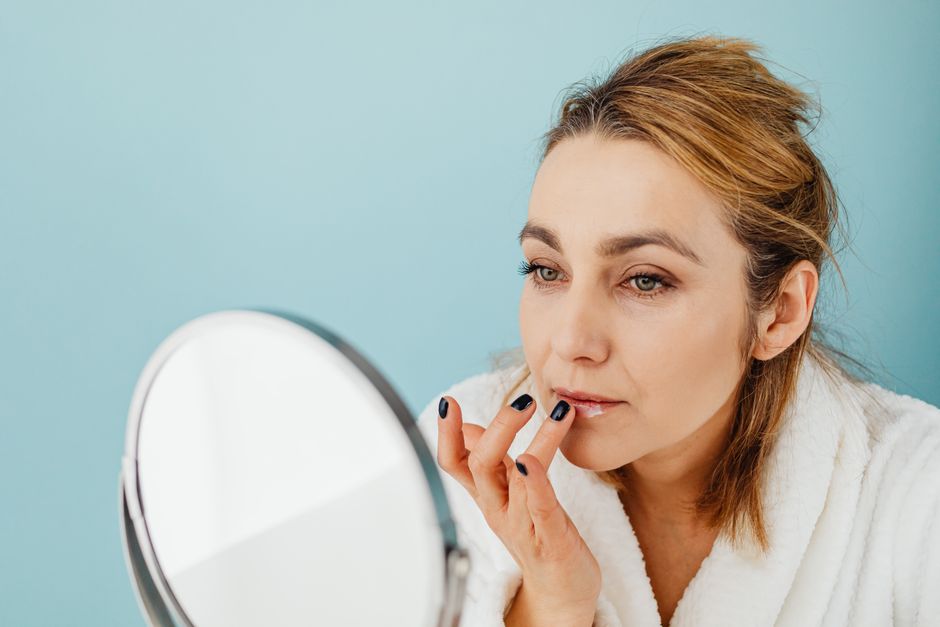
Yes, you can put Vaseline on your lips. It is one of the most common and generally safe ways to treat dry, chapped lips. The original Vaseline product is 100% petroleum jelly, which works by sealing in moisture and protecting the skin from the elements. While it is not a moisturizer itself, it is a highly effective occlusive agent that prevents water loss from the delicate skin on your lips.
How Does Vaseline Actually Work on Lips?
Vaseline works through a simple physical mechanism. The lips lack oil glands, so they dry out faster than the rest of your skin. Petroleum jelly forms a thick, water-repellent barrier on the surface of the lip. This barrier traps existing moisture in the skin and blocks external irritants like wind, cold air, and dry indoor heat.
It does not add water to the lips. It prevents the water that is already there from evaporating. This is why dermatologists often recommend applying Vaseline over a water-based moisturizer or immediately after getting your lips slightly damp. The jelly locks in that hydration, which is the key to its effectiveness.
Is Vaseline Safe for Everyday Use?
For the vast majority of people, daily use of Vaseline on the lips is safe. It is a highly refined product that has been on the market for over a century. It is non-comedogenic, meaning it does not clog pores, which is rarely a concern on the lips anyway.
Petroleum jelly is generally recognized as safe by regulatory agencies for topical use. It does not contain fragrances or dyes in its original form, which makes it a good option for people with sensitive skin or allergies to common lip balm ingredients. Allergic reactions to pure petroleum jelly are rare.
One point of confusion is the difference between Vaseline and other petroleum-based products. Some lower-grade petroleum products exist, but the Vaseline brand is triple-purified. This purification process removes potentially harmful impurities, making it safe for repeated application to the lips and skin.
Can Vaseline Make Chapped Lips Worse?
In most cases, no. However, there is a specific scenario where it can contribute to the problem. If you apply Vaseline to lips that are already severely dry and you do not exfoliate or add any moisture first, you are simply sealing in a dry state. The barrier prevents water from escaping, but it also prevents water from getting in.
A more common issue is the “addiction” cycle. Some people feel that their lips become dependent on balm and get worse when they stop using it. This is not a true addiction. It is usually because the underlying cause of the dryness—such as cold weather, dehydration, or habitual lip licking—has not been addressed. The lips were dry before, and they will be dry again without the protective layer.
Lip licking is a separate problem. Saliva evaporates quickly and leaves the lips drier than before. If you lick your lips and then apply Vaseline, you are sealing in saliva, which contains digestive enzymes that can irritate the skin. Always blot your lips dry before applying the jelly if you have been licking them.





What Is the Best Way to Apply Vaseline to Lips?
Application technique matters more than most people realize. For best results, start with lips that are slightly damp. You can use a splash of water or apply a thin layer of a hydrating product first. Then, apply a thin layer of Vaseline over the top.
A pea-sized amount is usually enough for the entire mouth. Press your lips together to spread the jelly evenly. Do not pile it on thickly unless you are using it as an overnight treatment. A heavier layer before bed can help repair severely cracked lips while you sleep.
Exfoliation is optional and should be gentle. A soft washcloth with warm water is often sufficient to remove dead skin. Avoid aggressive scrubbing, which can damage the fragile skin on the lips and make the problem worse.
Vaseline vs. Regular Lip Balm: What Is the Difference?
Vaseline is a single-ingredient occlusive. Most commercial lip balms contain a mix of ingredients, including waxes, oils, and sometimes active ingredients like sunscreen or medicated agents. The choice depends on what your lips need.
If your lips are dry but not sunburned, Vaseline is often the most cost-effective solution. If you are spending time outdoors in the sun, a lip balm with SPF is a better choice. Petroleum jelly does not provide sun protection.
Some lip balms contain ingredients that can actually irritate dry lips, such as flavors, fragrances, or menthol. These provide a cooling sensation but can trigger a cycle of application and reapplication. Vaseline avoids this entirely because it has no sensory additives.
For people with extremely dry lips, many dermatologists recommend a two-step approach: a humectant like glycerin or hyaluronic acid to draw water into the skin, followed by Vaseline to seal it in. This combination is more effective than either product alone.
Are There Any Risks or Side Effects?
Serious side effects from Vaseline on the lips are extremely rare. The most common complaint is a greasy texture that some people find unpleasant. This is cosmetic, not medical.
There is a theoretical risk of lipoid pneumonia if petroleum jelly is inhaled into the lungs. This is a concern primarily for people who apply it inside the nose and inhale deeply. For normal lip application, the risk is negligible. Do not apply Vaseline deep inside the nostrils, especially in children or older adults who may aspirate it.
If you have a known allergy to petroleum products, which is very rare, you should avoid Vaseline. Also, if your lips are cracked, bleeding, or show signs of infection, do not assume Vaseline will fix it. Persistent, painful lip conditions may require a medical evaluation for conditions like cheilitis or a fungal infection.
When Should You See a Doctor About Chapped Lips?
Most chapped lips resolve within two to three weeks with consistent care. If your lips do not improve despite regular use of Vaseline or lip balm, it may be time to seek medical advice.
See a doctor if you notice any of the following: lips that bleed easily, painful cracks at the corners of the mouth, swelling, or a rash that spreads beyond the lip line. These can be signs of an infection, an allergic reaction, or a nutritional deficiency, such as low levels of iron or B vitamins.
Some medications cause dry lips as a side effect, including certain acne treatments and chemotherapy drugs. If your chapped lips began after starting a new medication, discuss it with your prescribing doctor rather than trying to self-treat with more balm.
Frequently Asked Questions
Frequently Asked Questions
Is it bad to put Vaseline on your lips every night?
No, it is generally safe and often recommended for overnight repair. A thicker layer before bed helps lock in moisture while you sleep.
Does Vaseline darken your lips?
No, there is no evidence that petroleum jelly causes lip darkening. Darkening is more often linked to sun exposure, smoking, or certain medications.
Can you use Vaseline as a lip primer before makeup?
Yes, a thin layer can smooth the lip surface before applying lipstick. Allow it to absorb for a few minutes and blot excess before applying color.
Is Vaseline better than ChapStick for dry lips?
Vaseline is a stronger occlusive barrier, while ChapStick often contains additional moisturizers and flavors. For severe dryness, Vaseline is typically more effective at sealing in moisture.
