
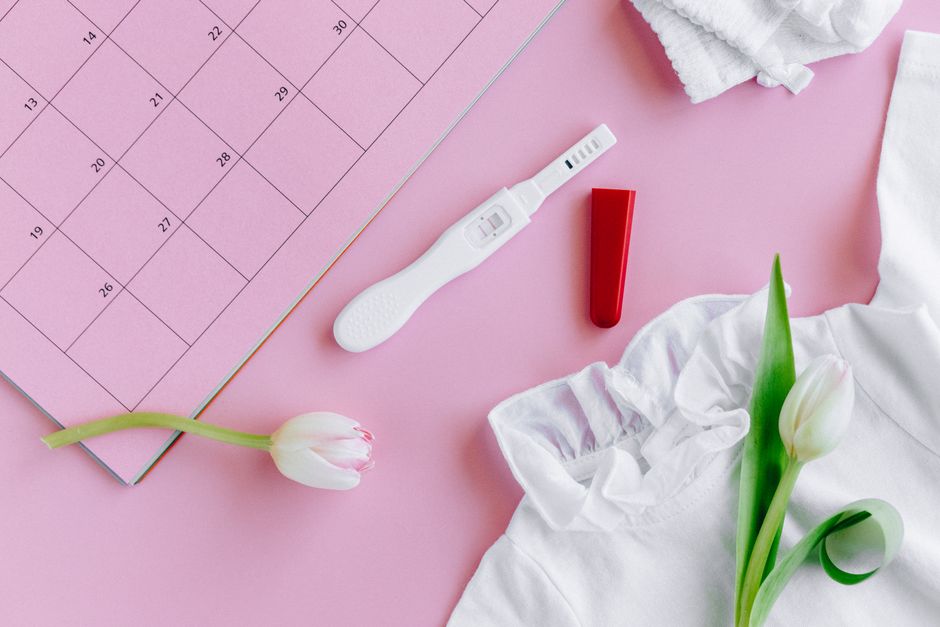
Yes, bloating during ovulation is real, and it is one of the most commonly reported symptoms of the ovulatory phase of the menstrual cycle. It is not imagined, and it is not a sign that something is wrong. Rising estrogen and a shift in fluid balance around the time an egg is released can leave the abdomen feeling full, tight, or puffy. For most people this is mild and lasts a few days.
Do You Bloat During Ovulation?
Bloating around ovulation is a recognized symptom, though it gets far less attention than premenstrual bloating. Many people notice it in the middle of their cycle, roughly halfway between one period and the next, and then again in the days before their period. The two episodes often feel similar, which is why ovulation bloating is frequently mistaken for an early period sign or a digestive problem.
The key difference is timing. Ovulation bloating tends to appear around the middle of the cycle and ease within a few days. Premenstrual bloating builds in the second half of the cycle and typically resolves once bleeding starts.
Not everyone who ovulates will feel bloated. Symptom patterns vary widely from person to person and even from cycle to cycle in the same person. Some people feel nothing at all. Others notice it every month.
What Causes Bloating During Ovulation?
The main driver is hormonal. In the days before ovulation, estrogen rises sharply. Estrogen is known to affect fluid balance and can contribute to water retention and a feeling of abdominal fullness. This is a normal part of the cycle, not a disorder.
There is also a mechanical piece. Just before an egg is released, the follicle that contains it grows to roughly 2 centimeters or more. As it enlarges, it can press against nearby structures in the pelvis. Some people feel this as a one-sided twinge, and some feel it as general pressure or fullness.
Progesterone is low during this window. That matters because progesterone is the hormone most associated with the slow digestion and gas that shows up later in the cycle. Ovulation bloating is usually more about fluid and pressure than about intestinal gas, though the two can overlap.
One clarification worth making: ovulation bloating is not caused by the egg itself. The egg is microscopic. What you feel comes from the hormonal and structural changes happening around it, not from the release of the egg as a physical event.
How Long Does Ovulation Bloating Last?
For most people, ovulation bloating lasts anywhere from a few hours to about two or three days. It usually peaks right around ovulation and fades as the cycle moves into the luteal phase.
If bloating persists for a week or longer, or if it returns in a pattern that does not track with your cycle, that is worth mentioning to a clinician. Persistent or worsening bloating is a symptom that deserves a proper evaluation rather than being attributed to hormones by default.
Tracking your symptoms for two or three cycles can help you see whether the pattern lines up with ovulation. Record the first day of your period, the days you feel bloated, and any other symptoms. A clear pattern is useful information for you and for any clinician you see.



Ovulation Bloating vs. Premenstrual Bloating
These two are often confused because they feel similar. The timing is the clearest way to tell them apart.
| Feature | Ovulation bloating | Premenstrual bloating |
|---|---|---|
| When it happens | Around mid-cycle | Days before a period |
| Main hormonal driver | Rising estrogen | Falling progesterone |
| Typical duration | A few hours to a few days | Several days, eases with bleeding |
| Common companions | Mild one-sided twinge, clearer cervical mucus | Breast tenderness, mood shifts, cramps |
Some people get both. If you notice a mid-cycle episode and a pre-period episode, you are not imagining it. Two separate hormonal shifts are involved.
What Else Can Cause Mid-Cycle Bloating?
Not all mid-cycle bloating is ovulation. Several other things can produce the same feeling, and it is worth knowing the difference.
- Digestive issues. Gas, constipation, and food intolerances can cause bloating on any day of the cycle. If your bloating does not follow a monthly pattern, digestion is a likely place to look.
- Fluid retention from diet. High-sodium meals can cause temporary water retention that feels like bloating.
- Ovarian cysts. Most are harmless and resolve on their own, but a cyst can cause pressure or fullness. Persistent or severe pelvic pain is a reason to seek care.
- Early pregnancy. Bloating can occur early in pregnancy. If pregnancy is possible, a test is the only way to know.
- Other pelvic conditions. Conditions affecting the uterus or ovaries can cause a sense of fullness. These need clinical evaluation, not self-diagnosis.
If bloating is new, severe, or comes with pain, fever, or changes in bleeding, see a clinician. That guidance is not about ovulation bloating specifically. It applies to any symptom that is unusual for you.
Does Ovulation Bloating Mean You Are Fertile?
No. Feeling bloated does not confirm that you ovulated, and it does not tell you when you are fertile. Ovulation symptoms are not a reliable stand-alone method of tracking fertility.
Methods that do have better support include tracking basal body temperature, watching cervical mucus changes, and using ovulation predictor kits that detect a rise in luteinizing hormone in urine. Even these have limits and are best used together rather than alone.
If you are trying to conceive or trying to avoid pregnancy, talk with a clinician about which method fits your situation. Symptom spotting can be a helpful extra clue, but it should not carry the whole weight of a decision.
How to Ease Ovulation Bloating
There is no treatment that stops ovulation bloating, because it is a normal part of the cycle. What helps is managing the discomfort while it lasts.
General measures that many people find useful include drinking enough water, limiting very salty meals, gentle movement like walking, and wearing looser clothing around the waist. Heat on the lower abdomen can ease a cramping or pressure feeling for some people.
Over-the-counter options exist, but they are not a cure for hormonal bloating. Some people use anti-gas products for digestive bloating, and some use mild pain relievers for cramping. If you take any medication regularly, or if you are pregnant or breastfeeding, check with a clinician or pharmacist before starting something new.
If bloating is severe enough to disrupt your daily life every cycle, that is a conversation to have with a clinician. It may point to something treatable, such as a gynecologic condition or a digestive issue, rather than ordinary cycle-related bloating.
When to See a Clinician
Most ovulation bloating is mild and does not need medical attention. Certain patterns do warrant a check.
See a clinician if bloating is persistent rather than cyclical, if it is getting worse over time, if it comes with pelvic pain that is severe or one-sided and sharp, or if you also have changes in bowel habits, unusual bleeding, or unexplained weight changes. These signs can have several possible causes, and only an exam and testing can sort out which one applies.
Persistent bloating that does not go away is a symptom clinicians take seriously. It is not something to dismiss just because cycle-related bloating is common.
Frequently Asked Questions
Is bloating a normal symptom of ovulation?
Yes, bloating is a commonly reported symptom around ovulation and is considered normal for many people. It is usually mild and lasts a few days.
How long does ovulation bloating usually last?
For most people it lasts from a few hours up to about two or three days. Bloating that persists for a week or longer is worth discussing with a clinician.
Can you bloat during ovulation and still not be pregnant?
Yes. Ovulation bloating happens as part of a normal cycle and has nothing to do with pregnancy. If pregnancy is possible, only a test can tell you.
Does ovulation bloating mean you are ovulating?
No. Bloating is not a reliable sign that ovulation occurred. Methods like ovulation predictor kits and basal body temperature tracking give better information.
