
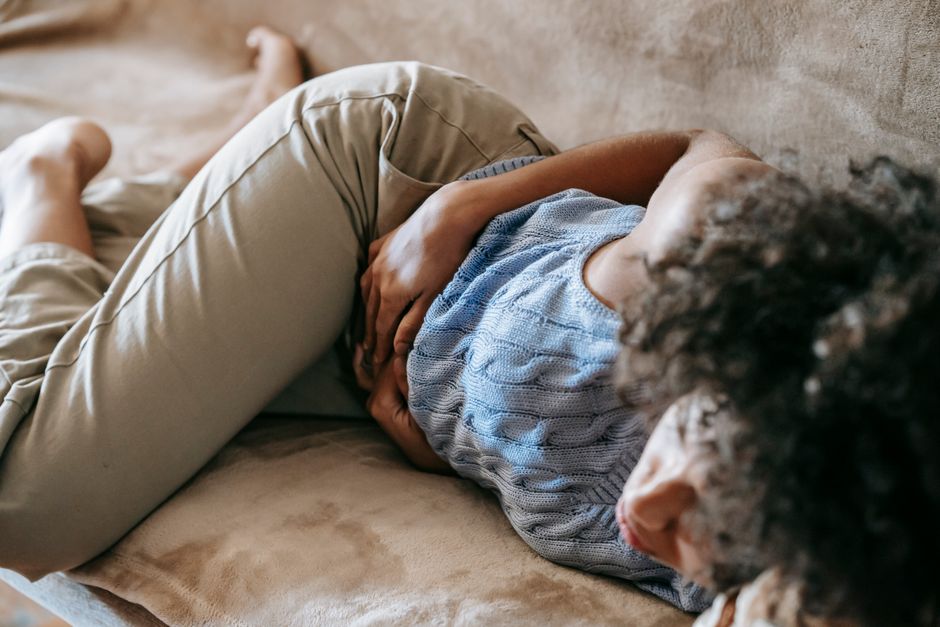
Constipation hurts because the colon is a muscle, and muscles that strain against a hard, dry mass send real pain signals. The discomfort usually comes from three things happening at once: stretched intestinal walls, backed-up pressure, and irritated nerve endings in and around the rectum. It is not “all in your head,” and it is not something you just have to live with.
Why Does Constipation Hurt So Bad The Real Causes?
The pain of constipation is mechanical before it is anything else. Your colon moves waste along with slow, wave-like muscle contractions called peristalsis. When stool sits too long, the colon keeps pulling water out of it. The result is a mass that is harder and drier than it should be.
Now picture pushing that mass through a tube lined with sensitive tissue. The walls stretch. The muscles work harder than they are designed to. Stretch receptors in the gut wall fire off pain signals. That is the cramping and aching you feel low in the belly.
There is a second source of pain that many people never connect to constipation: the rectum and anus. These areas are packed with nerve endings. Passing a hard stool can cause tiny tears called anal fissures. These are small but genuinely painful, and they can bleed. The fear of that pain can make you tense up, which makes the next bowel movement even harder.
So the “real cause” is usually a combination. Hard stool, stretched gut walls, strained muscles, and sometimes a small tear. Each one amplifies the others.
What Actually Happens Inside Your Colon When You Are Constipated?
Your colon’s main job is to absorb water and electrolytes from waste before it leaves the body. That is normal and necessary. The problem starts when transit slows down.
The longer stool stays in the colon, the more water gets pulled out of it. A slow transit turns soft waste into something dense and difficult to move. This is why dehydration makes constipation worse. Less water in the body means the colon takes back even more from the stool.
Fiber plays a role here too, but not always the way people expect. Soluble fiber absorbs water and adds bulk, which can help. But if you add a lot of fiber without enough fluid, you can make the problem worse. Fiber needs water to work. Without it, you are essentially adding dry material to an already dry system.
There is another layer. The colon is not just a passive tube. It has its own nervous system, sometimes called the enteric nervous system, which controls muscle movement. When that signaling is disrupted, the muscles may contract too weakly or in an uncoordinated way. This is one reason constipation can persist even when diet and hydration look fine on paper.
What Conditions and Medications Cause Painful Constipation?
Lifestyle is not always the answer. Several medical conditions slow the bowel or make stool harder to pass.
- Irritable bowel syndrome with constipation (IBS-C): A functional gut disorder that causes cramping along with hard or infrequent stools.
- Hypothyroidism: An underactive thyroid can slow many body processes, including bowel transit.
- Diabetes: Nerve damage from diabetes can affect the nerves that control the gut.
- Pelvic floor dysfunction: The muscles that should relax during a bowel movement instead tighten, making it hard to pass stool even when it is soft.
- Colon or rectal problems: Narrowing, tumors, or other structural issues can block the passage of stool.
Medications are a common and often overlooked cause. Opioid pain relievers are well known for causing constipation because they slow gut movement directly. So do some antidepressants, iron supplements, calcium channel blockers for blood pressure, and certain antacids containing aluminum or calcium.
If constipation started around the same time as a new medication, that timing is worth mentioning to your doctor. Do not stop a prescribed medication on your own.





Why Does Constipation Cause Cramps and Sharp Pain?
Cramping has a specific cause. When stool backs up, the colon muscles try harder to push it forward. They contract more forcefully and sometimes in spasms. That forceful, uncoordinated squeezing is what you feel as cramps.
Sharp pain is different. It usually points to something local, like a fissure, a hemorrhoid that has become inflamed, or significant rectal stretching. A fissure typically causes a tearing or burning sensation during a bowel movement that can last for a while afterward.
Some people also feel pain higher up, near the left side of the abdomen. This is where the descending colon sits, and it is a common place for stool to collect. Pressure there can cause a dull, persistent ache.
Here is the part that surprises people: the pain does not always match the severity of the constipation. A small hard stool can cause more pain than a larger soft one, because hardness and dryness are what scrape and stretch delicate tissue.
When Is Constipation Pain a Sign of Something Serious?
Most constipation pain is uncomfortable but not dangerous. Some signs should prompt a call to a doctor, and a few warrant urgent care.
Seek medical attention if you have:
- Severe or worsening abdominal pain
- Blood in your stool or bleeding from the rectum
- Vomiting along with constipation and an inability to pass gas
- A swollen, hard abdomen
- Unexplained weight loss
- Constipation that is new and persistent after age 50
- Constipation that keeps getting worse despite treatment
The combination of vomiting, a swollen belly, and the inability to pass gas or stool can point to a bowel obstruction, which is a medical emergency. Do not wait it out.
Blood in the stool is another red flag that deserves a professional look. It is often from a fissure or hemorrhoid, which are not dangerous. But it can also be a sign of something more serious, and only a doctor can tell the difference.
What Helps Relieve Constipation Pain?
Relief usually comes from softening the stool and reducing the strain, not from pushing harder. Straining is what causes much of the pain in the first place.
General measures that support normal bowel function include:
- Drinking enough fluid throughout the day
- Getting regular physical activity, which helps stimulate gut movement
- Adding fiber gradually, alongside adequate fluids
- Going when you feel the urge rather than holding it
- Giving yourself unhurried time and a comfortable position
Over-the-counter options exist, and they work in different ways. Bulk-forming laxatives add fiber and water. Osmotic laxatives draw water into the bowel. Stimulant laxatives trigger muscle contractions. Stool softeners add moisture. Which one fits depends on the cause, and some are not appropriate for long-term use without medical guidance.
If constipation is ongoing, a doctor can help identify whether the cause is diet, a medication, a thyroid issue, pelvic floor dysfunction, or something else. Treating the underlying cause matters more than managing symptoms indefinitely.
Can Constipation Pain Be Prevented?
Often, yes, though not always. When constipation comes from diet, hydration, and activity, those are the levers that help most. When it comes from a medication or a medical condition, prevention means addressing that root cause with a clinician.
One useful habit is paying attention to your body’s signals. The urge to go is easy to ignore when you are busy, but repeatedly ignoring it can train the bowel to hold on. Over time, that makes stool harder and passage more painful.
Another is not overcorrecting. Loading up on fiber all at once, or relying on stimulant laxatives regularly, can backfire. Slow, steady changes tend to work better than aggressive ones.
If you have tried the basics and the pain continues, that is information. It suggests the cause may be something that needs a closer look, not more of the same approach.
Frequently Asked Questions
Why does constipation cause sharp pain instead of just discomfort?
Sharp pain usually points to a local source like an anal fissure, an inflamed hemorrhoid, or significant stretching of the rectum. These areas are rich in nerve endings, so even small injuries register as sharp pain.
Can constipation pain happen even when you are not straining?
Yes. Backed-up stool creates pressure and stretching inside the colon, which can cause cramping and aching without any straining at all. Muscle spasms in the colon wall can also cause pain on their own.
Does holding in a bowel movement make constipation more painful?
Repeatedly ignoring the urge to go can let stool sit longer, which means more water is absorbed and the stool becomes harder. Harder stool is more likely to cause pain and small tears when it finally passes.
When should constipation pain be checked by a doctor?
Get medical attention for severe or worsening pain, blood in the stool, vomiting with an inability to pass gas, a swollen abdomen, or unexplained weight loss. New persistent constipation after age 50 also deserves a professional evaluation.
