
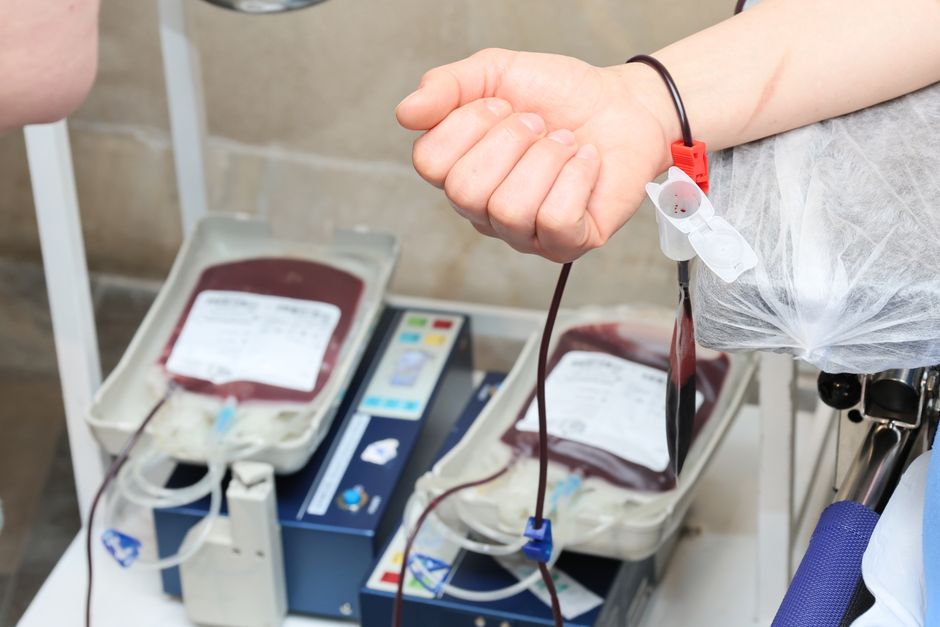
Yes, you can give blood if you have a tattoo, but only after waiting a specific period of time. In most of the United States, that waiting period is three months from the date you got the tattoo. This rule applies whether you got your tattoo at a licensed professional shop or somewhere else. The wait exists because of the small risk of transmitting certain infections through the blood.
Why Is There a Waiting Period After Getting a Tattoo?
The waiting period is not about the tattoo itself. It is about the risk of infection. When you get a tattoo, a needle punctures your skin repeatedly. If that needle is not sterile, or if the ink is contaminated, you could be exposed to bloodborne infections.
The main concern is hepatitis. Hepatitis B and hepatitis C can be passed through blood. These viruses can live in the body for weeks before a test would show them. The three-month wait ensures that if you were exposed to a virus, your body has had time to develop antibodies that a blood test would detect.
This standard is set by the U.S. Food and Drug Administration (FDA). Blood collection centers follow these rules to keep the blood supply safe. The rules are the same in most states, though a few have different timeframes.
Does the Type of Tattoo Shop Matter?
Yes, it can matter. The rules are different depending on where you got the tattoo. If you got the tattoo at a state-regulated tattoo parlor that uses single-use needles and sterile ink, the wait is typically three months.
If you got the tattoo somewhere that is not regulated, the rules are stricter. This includes tattoos done at home, in prison, or by a friend. In these cases, the FDA considers the risk of infection higher. Many blood centers will defer you for a longer period, sometimes 12 months. Some centers may turn you away entirely if they cannot confirm the tattoo was done safely.
The American Red Cross and most blood banks ask about your tattoo history during the screening process. Be honest about where and when you got the tattoo. Giving inaccurate information could put the blood supply at risk. It could also put the person who receives your blood at risk.
What About Piercings and Permanent Makeup?
Piercings follow a similar rule. If the piercing was done with a sterile, single-use needle at a licensed shop, you can usually donate after three months. If it was done under less safe conditions, the deferral is longer.
Permanent makeup, such as microblading or cosmetic tattooing, is treated the same as a tattoo. The same waiting periods apply. The process uses needles to deposit pigment into the skin. The risk of infection is the same as with a regular tattoo.
There is one exception to the wait. If you got a tattoo or piercing within the last three months, but you are donating for yourself, the rules may not apply. This is called an autologous donation. It is rare, but it happens in specific medical situations. Talk to your doctor if you think this applies to you.


What Happens During the Blood Donation Screening?
When you arrive to donate blood, you will answer a detailed questionnaire. It asks about recent travel, medications, and medical history. It also asks about tattoos and piercings.
You will need to provide the date of your tattoo. You may also be asked where you got it done. The staff will check this information against the current FDA guidelines.
Your blood will also be tested after you donate. The blood is screened for several infections, including hepatitis B, hepatitis C, HIV, and syphilis. If any test comes back positive, the blood is discarded. You will be notified of the result.
This testing is thorough. It is one reason the blood supply in the United States is considered very safe. The screening process catches infections that might not have been detected during the questionnaire.
Are There Other Reasons You Might Be Deferred?
Even if your tattoo is old enough, other factors can affect your ability to donate. These are separate from the tattoo rules. You should be aware of them before you go.
- Recent illness: If you have a cold, flu, or fever, you will need to wait until you are better.
- Low iron levels: Blood centers check your hemoglobin before you donate. If it is too low, you will be deferred temporarily.
- Recent travel: Travel to certain countries may require a waiting period due to malaria risk.
- Medications: Some medications, like certain blood thinners or acne treatments, can disqualify you temporarily.
- Recent surgery: Major surgery usually requires a waiting period before donation.
These rules exist for your safety and the safety of the recipient. The staff at the blood center will review all of these factors with you. It is normal to be deferred for one reason or another. It does not mean you can never donate.
Can You Give Blood If I Have a Tattoo and Feel Fine?
Feeling fine does not change the rules. Many infections, especially hepatitis, can be present without any symptoms. You could feel perfectly healthy and still carry a virus that could be passed through your blood.
This is why the waiting period exists. It is not about how you feel. It is about giving your body time to show any potential infection on a test. The three-month window is a safety measure that protects everyone.
If you are healthy and your tattoo is more than three months old, you should be able to donate. Make sure you eat a good meal beforehand and drink plenty of water. Bring a valid ID and know your basic medical history.
How to Prepare for Your Blood Donation
Preparation is simple. The day before you donate, drink extra water. Eat iron-rich foods like spinach, beans, or lean meat. Get a full night of sleep.
On the day of donation, eat a regular meal. Avoid fatty foods right before donating. Fat in your blood can affect the testing process. Wear comfortable clothing with sleeves you can roll up.
Bring your ID and a list of any medications you take. The blood center will need this information. The entire process, from check-in to the actual donation, usually takes about an hour. The donation itself takes about 10 minutes.
After donating, you will be given snacks and juice. This helps your body recover. Avoid heavy exercise for the rest of the day. Drink extra fluids for the next 24 hours.
Frequently Asked Questions
How long after a tattoo can I donate blood?
You must wait at least three months after getting a tattoo at a licensed facility. If the tattoo was done in a non-regulated setting, the wait may be longer.
Can I donate blood if my tattoo is infected?
No. You should not donate blood if you have an active infection. Wait until the infection is fully healed and treated.
Does the three-month rule apply to all states?
Most states follow the three-month rule for licensed tattoo shops. Some states allow donation sooner, but the three-month standard is the most common.
Can I donate blood if I got a tattoo in another country?
It depends on the country. Tattoos done outside the U.S. may require a longer deferral period due to different safety standards.
