

Yes, you can get a blood clot in your foot, though it is far less common than clots in the leg or lung. When it happens, the clot usually forms in one of the deep veins running through the foot, a condition doctors call deep vein thrombosis, or DVT. A clot can also form in a small vein near the skin’s surface, which is a different and generally less dangerous problem.
The distinction matters. Where a clot forms and how large it is shape both the symptoms and the risk it poses. Understanding the difference helps you know when to seek care and when to watch and wait.
What Does a Blood Clot in the Foot Actually Look Like?
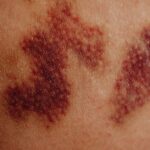
A clot in the foot is not always obvious. The most common signs are swelling, pain, warmth, and redness in one foot, often without any clear injury to explain it.
The pain may feel like a deep ache or cramp rather than a sharp stab. Some people describe it as a pulling sensation when they flex the foot or stand. Swelling tends to build over hours or days rather than appearing all at once.
One important detail: symptoms usually affect just one foot. Both feet swelling at the same time is more often linked to fluid retention, medication side effects, or heart and kidney issues than to a clot.
These symptoms are not specific. A sprain, an infection, gout, or a nerve problem can all produce similar complaints. That overlap is exactly why imaging is usually needed to confirm or rule out a clot.
Can You Get a Blood Clot in Your Foot? How Common Is It?
Clots in the foot are uncommon compared with clots in the calf or thigh. Most deep vein thrombosis cases form higher up in the leg, where veins are larger and blood flow is slower.
The veins in the foot are smaller and sit closer to the surface. That anatomy makes them a less frequent site for the kind of clot that causes major problems, but it does not make clots there impossible.
Two broad types exist, and they behave differently:
- Deep vein thrombosis (DVT): a clot in a deep vein. This is the type that can travel to the lungs.
- Superficial vein thrombosis: a clot in a vein just under the skin. It is usually painful and red but rarely travels to the lungs.
A superficial clot in the foot is more common than a deep one. It often feels like a tender, cord-like lump under the skin. It is uncomfortable but typically not life-threatening on its own.
What Causes a Clot to Form in the Foot?
Blood clots form when three things line up: slow blood flow, injury to a vein wall, or blood that clots more easily than normal. Doctors sometimes call this triad by name, and it explains most clot cases regardless of location.
In the foot specifically, a few situations raise the odds:
- Long periods of immobility, such as after surgery or during a long flight, when the foot is not moving
- An injury or fracture to the foot that damages a vein
- Compression from a cast, tight shoe, or bandage that slows blood flow
- Inherited clotting disorders that make blood more prone to clot
- Certain medications, including some hormone therapies
- Active cancer or recent major surgery
Age matters too. Clot risk rises with age, and it is higher in people who have had a clot before. Smoking and obesity are also linked to higher risk across clot types.
One point worth making clearly: a clot does not require an obvious trigger. Some form without any identifiable cause, which is why unexplained swelling in one foot deserves a medical look.




When Is a Clot in the Foot Dangerous?
The main danger with any deep vein clot is that part of it can break loose and travel to the lungs. This is called a pulmonary embolism, and it can be life-threatening.
A clot confined to the small veins of the foot carries a lower risk of this than a clot in the thigh, because the clot is smaller and sits farther from the large veins leading to the heart and lungs. Lower risk is not zero risk, though. A foot clot can extend upward into the calf, and once it reaches larger veins the danger grows.
Superficial clots in the foot rarely travel to the lungs. They can still cause lasting discomfort and, in some cases, spread into the deep system, so they are not ignored.
Warning signs that a clot may have reached the lungs include:
- Sudden shortness of breath
- Chest pain that worsens with a deep breath
- A rapid heart rate
- Coughing up blood
- Feeling faint or lightheaded
These symptoms are a medical emergency. Call 911 or go to an emergency room right away. Do not wait to see if they pass.
How Do Doctors Tell If You Have a Clot in Your Foot?
An exam alone rarely confirms a clot. Doctors usually start with a physical check and a review of your risk factors, then move to imaging.
The most common test is a duplex ultrasound. It uses sound waves to show blood flow through the veins and can reveal a clot. For veins in the foot, the test can be trickier because the vessels are small, so a technician with experience in this area matters.
Blood tests can support the picture. A D-dimer test measures a substance released when clots break down. A normal result can help rule out a clot in people at low risk, but an elevated result does not prove one is present, since many conditions raise D-dimer levels.
If ultrasound results are unclear, doctors may use other imaging. The choice depends on your symptoms, history, and what the first test showed.
What Happens After a Foot Clot Is Found?
Treatment depends on whether the clot is deep or superficial, how large it is, and your overall health.
For a deep vein clot, the standard approach is blood-thinning medication, called anticoagulation. These drugs do not dissolve the clot directly. They slow the body’s clotting process so the clot stops growing and the body can break it down over time.
How long you stay on blood thinners varies. It can range from a few months to longer, depending on what caused the clot and whether it is likely to return. Your doctor sets the duration based on your specific situation.
For a superficial clot, treatment is often simpler. Warm compresses, anti-inflammatory pain relievers, and compression may ease symptoms. Some clinicians recommend a short course of blood thinners if the clot is extensive or near where the superficial vein joins the deep system. Practice varies here, and the evidence for routine anticoagulation in superficial clots is not uniform.
Do not start or stop any blood-thinning medication on your own. These drugs carry real bleeding risks and need medical supervision.
Can You Lower Your Risk?
Prevention focuses on keeping blood moving, especially when you are not active.
If you sit for long stretches, move your feet and ankles regularly. Flexing and pointing the foot pumps blood through the veins. Getting up to walk every so often helps more than any single stretch.
After surgery or an injury that limits movement, follow your care team’s guidance on mobility and any prescribed compression or medication. These steps are used because immobility is a well-established clot risk, not because of guesswork.
Staying hydrated and avoiding tight clothing or shoes that restrict the foot can help circulation. If you have a personal or family history of clots, tell your doctor before long travel or planned surgery so they can advise on precautions.
No single habit guarantees you will not get a clot. The goal is to reduce the chances and to act quickly if symptoms appear.
Frequently Asked Questions
Can a blood clot in your foot go away on its own?
A superficial clot in the foot may ease over time with supportive care. A deep vein clot needs medical treatment because of the risk it could grow or travel to the lungs.
What does a blood clot in the foot feel like?
It often feels like a deep ache, cramp, or pulling sensation in one foot, sometimes with swelling, warmth, or redness. These symptoms overlap with many other conditions, so testing is usually needed to confirm a clot.
Is a blood clot in the foot an emergency?
A foot clot itself is usually not an immediate emergency, but it can be if it travels to the lungs. Seek emergency care right away for sudden shortness of breath, chest pain, or coughing up blood.
Can you get a blood clot in your foot from sitting too long?
Long periods of immobility are a known risk factor for clots, including in the lower leg and foot. Moving your feet and walking regularly during long periods of sitting helps reduce that risk.
