
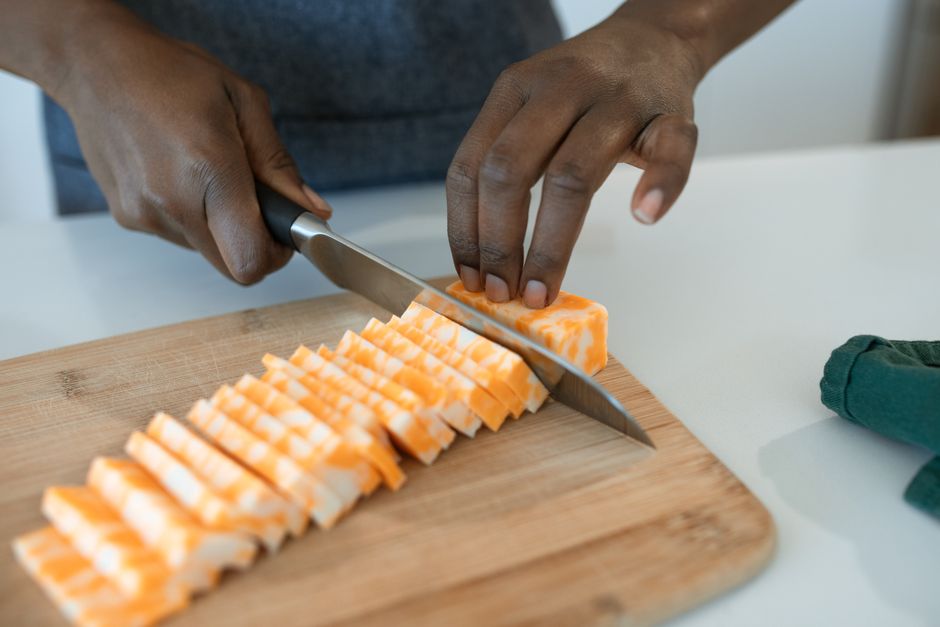
Yes, you can freeze sliced cheese. It is a straightforward way to extend its shelf life by several months. The texture will change slightly after thawing, making it best for cooking rather than eating raw on a cracker. Freezing stops mold growth and enzyme activity, which are the main reasons cheese spoils in your fridge.
Does Freezing Sliced Cheese Change Its Texture?
Freezing changes the texture of sliced cheese. This is not a myth. It is basic food science. Cheese contains water and fat held in a protein network. When water freezes, it forms ice crystals. These crystals puncture the protein structure.
After thawing, the water separates from the fat and protein. This makes the cheese feel crumbly, mealy, or slightly rubbery. Hard cheeses like cheddar or Swiss handle this better than soft cheeses like mozzarella or provolone. The higher the moisture content, the more noticeable the texture change will be.
Research from the University of Wisconsin-Madison food science department confirms that freezing alters the casein matrix in cheese. This is the protein structure that gives cheese its firmness. Once broken, it does not reform.
For cooking, this texture change does not matter. Melted cheese on a burger or in a casserole tastes the same. For a cheese platter or a sandwich where the slice is the star, you will notice the difference.
What Is the Best Way to Freeze Sliced Cheese?
The method matters more than most people think. Simply tossing a bag of opened sliced cheese into the freezer leads to freezer burn and clumped slices. Freezer burn is dehydration. It causes dry, tough edges and off-flavors.
Here is what works based on food preservation guidelines from the USDA:
- Keep the original packaging if it is unopened. The factory seal is already optimized for moisture protection.
- For opened packages, separate slices with parchment paper or wax paper. This prevents them from freezing into one solid block.
- Wrap the stack tightly in plastic wrap first. Then place it in a freezer-safe zip-top bag. Squeeze out as much air as possible before sealing.
- Label the bag with the date. Frozen sliced cheese keeps best quality for 4 to 6 months. After that, it is still safe but the texture degrades further.
Vacuum sealing is the gold standard. It removes nearly all air, which prevents freezer burn almost completely. If you freeze cheese regularly, a vacuum sealer is worth the investment.
Can You Freeze Sliced Cheese Without It Sticking Together?
Sticking is the most common complaint. It happens because moisture on the cheese surface freezes and bonds the slices together. When you try to pull them apart, the cheese tears.
The solution is simple. Place a piece of parchment paper, wax paper, or freezer paper between each slice before freezing. This creates a physical barrier that the ice crystals cannot bridge.
Some people flash-freeze the slices first. Lay them in a single layer on a baking sheet lined with parchment paper. Freeze for one to two hours until firm. Then stack and store them in a bag. This works but takes more time and freezer space.
If you forgot to separate them and the slices are stuck, do not try to pry them apart while frozen. Let the whole stack thaw in the refrigerator for a few hours. The slices will usually separate on their own as they warm up.





What Types of Sliced Cheese Freeze Best?
Not all cheeses freeze equally well. A quick comparison helps you decide what is worth freezing and what is better to eat fresh.
| Cheese Type | Freezes Well? | Best Use After Thawing |
|---|---|---|
| Cheddar | Yes | Melted dishes, casseroles, sauces |
| Swiss | Yes | Sandwiches (if texture is acceptable), melts |
| Mozzarella (low-moisture) | Moderate | Pizza, baked pasta dishes |
| Provolone | Moderate | Melted sandwiches, cooked dishes |
| American (processed) | Good | Burgers, grilled cheese |
| Fresh mozzarella (high-moisture) | Poor | Not recommended — becomes watery and rubbery |
| Brie or Camembert | Poor | Not recommended — texture and flavor degrade significantly |
Processed cheese slices, like American cheese, freeze very well. They have added emulsifiers and stabilizers that protect the texture. They also have lower moisture content. This makes them the most forgiving option for freezing.
How Long Does Frozen Sliced Cheese Last?
Frozen sliced cheese is safe to eat indefinitely if kept at a consistent 0°F (-18°C). Freezing stops bacterial growth completely. The USDA states that frozen foods remain safe forever at this temperature.
Quality is a different story. The texture and flavor degrade over time. For best quality, use frozen sliced cheese within 4 to 6 months. After 8 months, you will likely notice dryness and off-flavors, especially in hard cheeses.
Signs that frozen cheese has gone past its prime include visible ice crystals on the surface, dry cracked edges, and a dull or rancid smell after thawing. If it smells like ammonia or sour milk, throw it out.
One clarification that matters: freezing does not kill all microorganisms. It only stops them from growing. If cheese was already contaminated before freezing, it will still be contaminated after thawing. Always freeze cheese while it is fresh, not after it has started to spoil.
Common Misconceptions About Freezing Sliced Cheese
A widespread claim online is that freezing cheese destroys its nutrients. This is false. Freezing has minimal effect on the protein, fat, calcium, or vitamin content of cheese. Nutrient loss from freezing is negligible for all dairy products according to the USDA.
Another myth is that you cannot refreeze cheese after thawing. You can, but the texture will suffer even more. Each freeze-thaw cycle creates additional ice crystal damage. If you thaw a pack and only use half, refreezing the rest is safe but expect a crumblier result.
Some people claim that frozen cheese is unsafe to eat after the expiration date. The expiration date is about quality, not safety, especially for frozen food. If the cheese was frozen before the expiration date, it is safe to eat months past that date as long as it was kept frozen and shows no signs of spoilage after thawing.
There is also a persistent idea that shredded cheese freezes better than sliced cheese. This is not exactly true. Shredded cheese has more surface area exposed to air, which actually makes it more prone to freezer burn. The advantage of shredded cheese is that it is already in small pieces, so it thaws faster and you can use it straight from the freezer without separating slices.
What to Avoid When Freezing Sliced Cheese
Do not freeze cheese in its original plastic wrap if the package is already opened. That thin plastic does not protect against freezer burn. Transfer it to a freezer-safe container or bag.
Do not stack wet slices. Pat each slice dry with a paper towel before wrapping. Excess moisture creates larger ice crystals and more sticking.
Do not thaw frozen cheese on the counter at room temperature. This causes condensation on the cheese surface, which adds moisture and can promote mold growth. Thaw in the refrigerator overnight instead.
Do not use frozen sliced cheese for uncooked applications like salads or cold sandwiches where texture matters. Save it for grilled cheese, melts, casseroles, sauces, or any dish where the cheese will be heated.
Do not refreeze cheese that was thawed in the refrigerator for more than two days. The quality loss is significant, and the risk of bacterial growth increases once the cheese has been above freezing for an extended period.
Frequently Asked Questions
Can you freeze sliced cheese in the original packaging?
Yes, if the package is unopened. The factory seal provides good moisture protection. For opened packages, transfer to a freezer bag or wrap tightly.
Does freezing sliced cheese change the taste?
The taste stays mostly the same, especially if the cheese is used in cooked dishes. Some subtle flavor loss can occur after several months of freezing.
How do you thaw frozen sliced cheese?
Thaw it in the refrigerator overnight. Do not thaw at room temperature or in the microwave, as this causes texture and moisture problems.
Can you freeze sliced cheese that is already shredded?
Yes, shredded cheese freezes well. Use it directly from frozen for cooking. No need to thaw it first for most recipes.
