
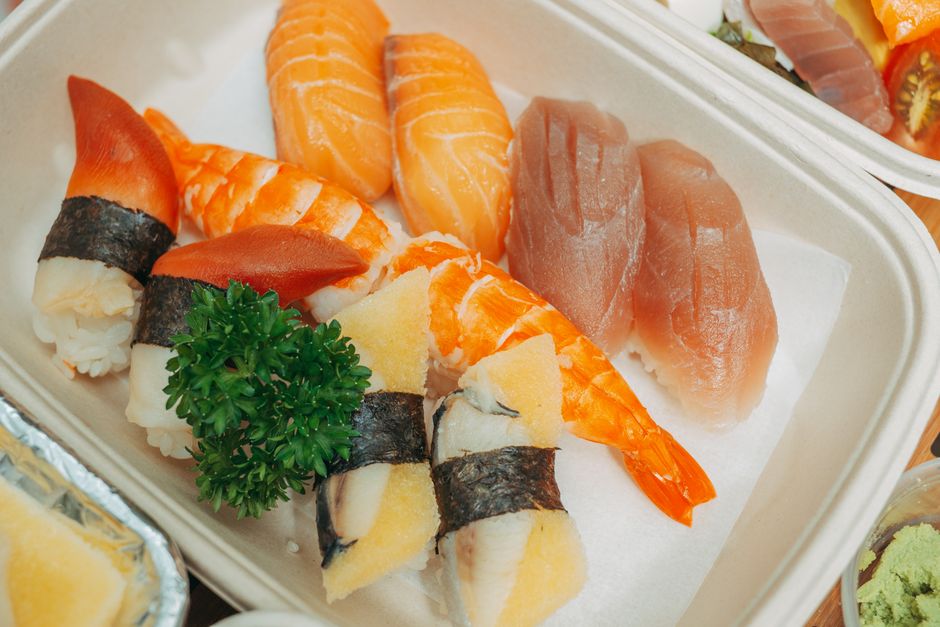
Yes, you can freeze sushi, but the results depend heavily on the ingredients. Raw fish freezes well when done properly, but sushi rice does not. Most people who freeze sushi end up disappointed because the rice turns dry and grainy. If you want to freeze sushi, you need to know exactly what works and what does not before you try it.
Does Freezing Sushi Change the Taste or Texture?
Freezing changes sushi in two main ways. The first is the fish. Raw fish that is frozen correctly stays safe to eat and keeps a similar texture. The second is the rice. Sushi rice is made with vinegar and sugar, and it has a sticky, tender texture. Freezing ruins this. The rice loses moisture and becomes hard and crumbly when thawed.
Research from the FDA shows that freezing fish at -4°F (-20°C) for seven days kills parasites. This is standard practice for sushi-grade fish. So the fish part is fine. The rice part is the real problem. Even if you wrap the sushi tightly, the rice will not taste the same after freezing.
Some people report that frozen sushi rolls taste okay if they are thawed slowly in the fridge. But the texture is never the same. If texture matters to you, freezing sushi is not a great option.
What Happens to Sushi Rice When You Freeze It?
Sushi rice contains starch. When you freeze it, the starch molecules change. They recrystallize during freezing, which makes the rice hard and dry. This process is called retrogradation. It is the same reason leftover rice from the fridge can feel tough.
The vinegar and sugar in sushi rice slow down retrogradation a little, but they do not stop it. Studies on rice storage show that freezing causes more texture damage than refrigeration. After thawing, sushi rice often feels mealy or sandy. It does not stick together the way fresh rice does.
If you are making sushi at home and plan to freeze it, consider freezing only the fish and making fresh rice later. That gives you the best chance of a good result.
Can You Freeze Sushi Rolls With Vegetables or Avocado?
Vegetables in sushi do not freeze well either. Cucumber gets watery and limp after thawing. Avocado turns brown and mushy. The texture change is noticeable and unpleasant.
Some vegetables like carrots or pickled radish hold up better than others. But even these lose their crunch. The only vegetable that freezes reasonably well is cooked ingredients like tempura or cooked mushrooms. These have less water content and a firmer structure.
If you are freezing a California roll with avocado and cucumber, expect the vegetables to be soft and discolored after thawing. It is not dangerous to eat, but it will not look or taste like fresh sushi.





How to Freeze Sushi the Right Way
If you decide to freeze sushi anyway, here is the best method based on food safety guidelines from the USDA.
- Wrap each piece or roll tightly in plastic wrap. Remove as much air as possible.
- Place the wrapped sushi in a freezer-safe bag or airtight container.
- Label the bag with the date. Sushi keeps best in the freezer for up to one month.
- Freeze at 0°F (-18°C) or lower. Do not let the temperature fluctuate.
Thaw sushi in the refrigerator, not on the counter. Slow thawing helps the texture hold up better. Eat it within 24 hours of thawing. Do not refreeze thawed sushi.
This method works best for sushi with raw fish only. Rolls with avocado, cucumber, or cream cheese will have worse results. Nigiri sushi with just fish and rice freezes better than maki rolls with many ingredients.
Does Freezing Kill Bacteria in Sushi?
Freezing does not kill bacteria. It only stops bacteria from growing. If sushi has bacteria from improper handling before freezing, those bacteria will survive the freezer and start growing again after thawing.
The CDC and FDA both state that freezing is not a method to make contaminated food safe. Freezing only kills parasites, not bacteria or viruses. This is why sushi must be handled properly before freezing. Only freeze sushi that was made fresh and kept cold.
If you bought sushi from a grocery store and it sat at room temperature for more than two hours, do not freeze it. The bacteria load may already be too high. Freezing will not fix that.
Some people think freezing sushi makes it safer to eat later. That is not true. Freezing preserves the current state of the food. If it was safe before freezing, it stays safe. If it was not safe, freezing does not help.
Comparison: Freezing Sushi vs. Refrigerating Sushi
| Factor | Freezing | Refrigeration |
|---|---|---|
| Rice texture | Dry, grainy, crumbly | Firm but still edible for 1 day |
| Fish safety | Kills parasites | Does not kill parasites |
| Vegetable quality | Watery, mushy, brown | Softens but stays recognizable |
| Storage time | Up to 1 month | Up to 24 hours |
| Bacteria risk | Not killed | Not killed |
Refrigeration is better for short-term storage. Freezing only makes sense if you want to keep sushi for weeks. Even then, the quality loss is significant.
Common Misconceptions About Freezing Sushi
One common myth is that freezing sushi makes it safe to eat raw fish from any source. That is false. Freezing only kills parasites. It does not remove toxins from spoiled fish or kill bacteria from poor handling.
Another myth is that sushi rice freezes the same as regular cooked rice. It does not. The vinegar and sugar change the starch structure, but the rice still degrades. Some people claim that adding extra vinegar before freezing helps. There is no evidence that this works.
A third misconception is that vacuum sealing solves the texture problem. Vacuum sealing helps prevent freezer burn, but it does not stop starch retrogradation. The rice will still be dry and crumbly after thawing.
Some people believe that frozen sushi from grocery stores is the same quality as fresh. Grocery store frozen sushi is often made with flash-frozen fish and rice that has been treated differently. Home freezing cannot replicate that process.
Frequently Asked Questions
Can you freeze sushi with raw fish?
Yes, raw fish freezes well when wrapped tightly and kept at 0°F or below. The rice will still lose quality.
How long can you keep frozen sushi?
Frozen sushi stays safe to eat for up to one month. After that, the texture and flavor decline noticeably.
Does freezing sushi kill parasites?
Yes, freezing fish at -4°F for seven days kills parasites. This is standard for sushi-grade fish according to the FDA.
Can you refreeze thawed sushi?
No, refreezing thawed sushi increases the risk of bacterial growth and further damages the texture. Eat it within 24 hours.
