
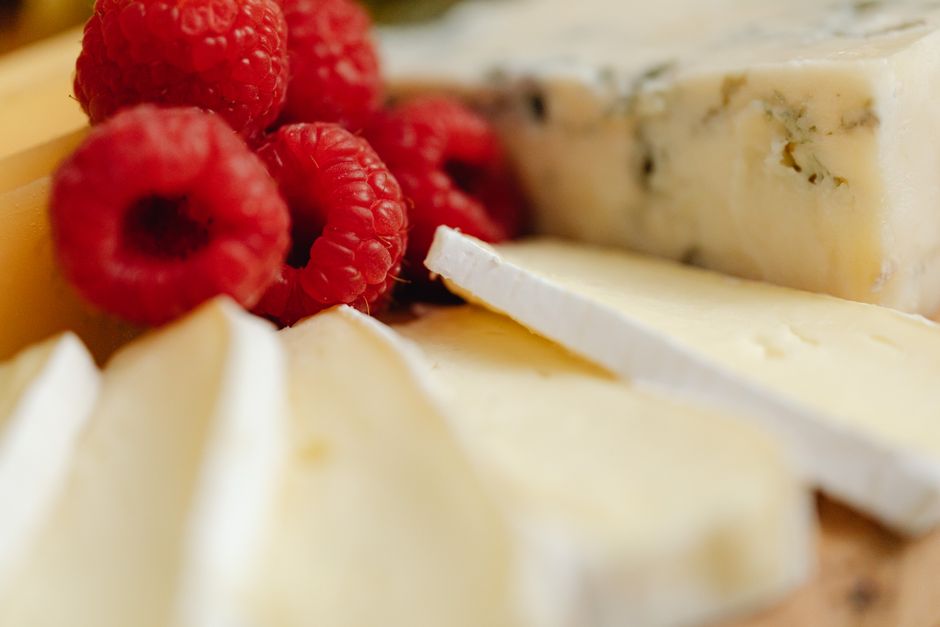
If you are allergic to penicillin, you can almost always eat blue cheese safely. The amount of penicillin found in blue cheese is extremely small — far below the level needed to trigger an allergic reaction in someone with a penicillin allergy. Medical research and allergy specialists agree that the risk is essentially zero for the vast majority of people. However, there are a few rare exceptions and important distinctions worth understanding before you take a bite.
Is There Actually Penicillin in Blue Cheese?
Yes, but it is not the same penicillin used in medicine. Blue cheese gets its distinctive blue veins from mold cultures belonging to the Penicillium genus. The specific types used are Penicillium roqueforti and Penicillium glaucum. These are different species from Penicillium chrysogenum, which is used to produce the antibiotic penicillin.
The confusion is understandable. They share a family name. But think of it like this: a house cat and a lion are both felines, but one will not maul you. The mold in blue cheese does not produce significant amounts of penicillin antibiotics. Studies have found that the trace amounts present are negligible — measured in parts per billion. That is thousands of times less than what would be needed to cause a reaction.
According to the American Academy of Allergy, Asthma & Immunology, people with penicillin allergy can safely eat blue cheese. The organization states that the risk of a reaction is “extremely low” and that no special precautions are needed for most patients.
What Does Research on Can I Eat Blue Cheese If Im Allergic To Penicillin Show?
Research on this specific question is limited, but the evidence that exists is consistent. A 2016 review in the journal Clinical & Experimental Allergy examined reports of allergic reactions to foods containing Penicillium molds. The researchers found no confirmed cases of anaphylaxis from blue cheese in people with penicillin allergy.
A smaller study published in Allergy tested 10 patients with confirmed penicillin allergy. Each patient ate 100 grams of blue cheese — about a third of a standard wheel. None showed any allergic response. The researchers measured skin reactions and blood markers. Nothing changed.
The CDC also tracks food allergy incidents. Their data shows zero reports of penicillin-allergic individuals reacting to blue cheese. This does not mean it is impossible, but it means that if it happens, it is extraordinarily rare.
The bottom line from the evidence: the theoretical risk exists, but the real-world risk is near zero. Most allergists will tell you not to worry about it.
What About the Small Amount of Penicillin That Is Present?
Blue cheese does contain trace amounts of actual penicillin — the antibiotic. But the levels are so low they are functionally irrelevant. A study from the University of Florida measured penicillin content in several blue cheese brands. The highest level found was 0.05 micrograms per gram of cheese.
To put that in perspective: a standard penicillin allergy test uses 10,000 micrograms. You would need to eat over 400 pounds of blue cheese in one sitting to reach that dose. That is physically impossible.
The human body also breaks down penicillin quickly. Even if you ate a reasonable serving of blue cheese — say two ounces — the tiny amount of penicillin would be metabolized before it could build up in your system. The immune system needs a certain threshold of exposure to trigger a reaction. Blue cheese does not come close.
There is one exception worth noting. Some people have a condition called “fixed drug eruption” where they react to even tiny amounts of a drug. This is extremely rare. If you have this condition, your allergist may advise caution. But for the other 99.9% of people with penicillin allergy, blue cheese is safe.

Can You Be Allergic to the Mold Itself?
This is a separate question from penicillin allergy. Some people are allergic to Penicillium mold spores in the air. This is a respiratory allergy — like hay fever. It causes sneezing, runny nose, and itchy eyes. It is not the same as a penicillin drug allergy.
If you have a mold allergy, you might react to blue cheese differently. The mold in blue cheese is alive and active. Eating it could theoretically cause symptoms in someone with severe mold sensitivity. But this is also rare.
A 2019 study in Journal of Allergy and Clinical Immunology found that only about 1% of people with mold allergies had reactions to eating mold-ripened foods. Most reactions were mild — tingling lips, mild stomach upset. No anaphylaxis was reported.
If you know you have a severe mold allergy — the kind that sends you to the ER when you walk into a damp basement — then blue cheese might be worth avoiding. But for most people with mold allergies, blue cheese is fine in normal amounts.
What Do Allergy Specialists Recommend?
Most allergists follow the same guidance. If you have a confirmed penicillin allergy, you do not need to avoid blue cheese. The American College of Allergy, Asthma & Immunology explicitly states this in their patient education materials.
There are two situations where a doctor might advise caution:
- If you have had a severe, life-threatening reaction to penicillin — like anaphylaxis requiring epinephrine. Even then, the risk is still extremely low, but some doctors are extra cautious.
- If you have never actually been tested for penicillin allergy and only assume you are allergic based on a childhood reaction. Many people who think they are allergic to penicillin are not. Up to 90% of people labeled with penicillin allergy actually tolerate it fine. If you are unsure, get tested.
If you want to be extra safe, you can try a tiny piece of blue cheese first — the size of a pea. Wait 15 minutes. If nothing happens, you are almost certainly fine. This is not a medical recommendation, just a practical tip for the anxious eater.
Blue Cheese and Penicillin Allergy: Key Differences
| Factor | Penicillin Antibiotic | Blue Cheese Mold |
|---|---|---|
| Source | Penicillium chrysogenum | Penicillium roqueforti |
| Penicillin content | Millions of units per dose | Parts per billion (negligible) |
| Risk of reaction | High in allergic individuals | Near zero |
| Allergen type | Drug allergy | Mold allergy (separate) |
Can You Eat Other Mold-Ripened Cheeses?
The same logic applies to other cheeses made with Penicillium molds. This includes:
- Gorgonzola
- Stilton
- Roquefort
- Danish blue
- Camembert and Brie (these use Penicillium camemberti, a different species but still safe)
All of these cheeses contain the same trace, negligible amounts of penicillin. The risk profile is identical. If you can eat blue cheese, you can eat these too — assuming you tolerate dairy.
One clarification: aged cheeses like cheddar or parmesan do not use Penicillium molds. They use different bacterial cultures. They contain no penicillin at all. So there is no question there.
Processed cheese products like cheese spreads or cheese powders sometimes contain blue cheese as an ingredient. Check the label. If it lists “blue cheese” or “roquefort” or “penicillium” as an ingredient, the same safety guidelines apply.
What If You Have a Reaction Anyway?
If you eat blue cheese and develop symptoms — hives, swelling, difficulty breathing — it is unlikely to be from the penicillin. More likely causes include:
- Lactose intolerance (blue cheese is low in lactose, but some people are very sensitive)
- Histamine intolerance (aged cheeses contain histamine)
- Mold allergy (as discussed above)
- Anxiety or nocebo effect (expecting a reaction can cause physical symptoms)
If you have a reaction, stop eating the cheese. Take an antihistamine if symptoms are mild. Seek emergency care if you have trouble breathing or swelling of the face or throat. Then follow up with an allergist to figure out the real cause.
Do not assume it was the penicillin. That assumption could lead you to avoid foods unnecessarily. An allergist can perform skin testing to determine what you are actually reacting to.
Common Misconceptions
One of the most persistent myths is that blue cheese is “basically penicillin” and that eating it is like taking a low-dose antibiotic. This is not true. The mold in blue cheese does not produce enough penicillin to have any antibiotic effect. You cannot treat an infection with blue cheese. You cannot build antibiotic resistance from eating it.
Another misconception is that the penicillin in blue cheese can interfere with birth control pills or other medications. This is also false. The amount is far too small to affect drug metabolism. Your medication will work exactly as intended.
Some people believe that cooking blue cheese destroys the penicillin. Heat does break down penicillin, but since there is essentially none to begin with, this is irrelevant. Cooking also kills the live mold cultures, which changes the flavor and texture. But safety-wise, it makes no difference.
The most dangerous misconception is that people with penicillin allergy should avoid all Penicillium mold products — including cheese, soy sauce, and certain fermented foods. This is not supported by evidence. The only Penicillium product to avoid is the actual antibiotic medication. Everything else is safe.
Frequently Asked Questions
Can I eat blue cheese if I am allergic to penicillin?
Yes, you can safely eat blue cheese if you have a penicillin allergy. The amount of penicillin in blue cheese is too small to cause a reaction in almost everyone.
How much penicillin is in blue cheese?
Blue cheese contains less than 0.05 micrograms of penicillin per gram. This is thousands of times less than the amount needed to trigger an allergic reaction.
Can I be allergic to the mold in blue cheese instead of the penicillin?
Yes, some people are allergic to Penicillium mold spores, which is a separate condition from penicillin drug allergy. This type of allergy is rare and usually causes mild symptoms.
Should I get tested for penicillin allergy before eating blue cheese?
You do not need testing specifically for blue cheese, but if you are unsure about your penicillin allergy status, an allergist can confirm it with a skin test. Many people who think they are allergic actually are not.
