
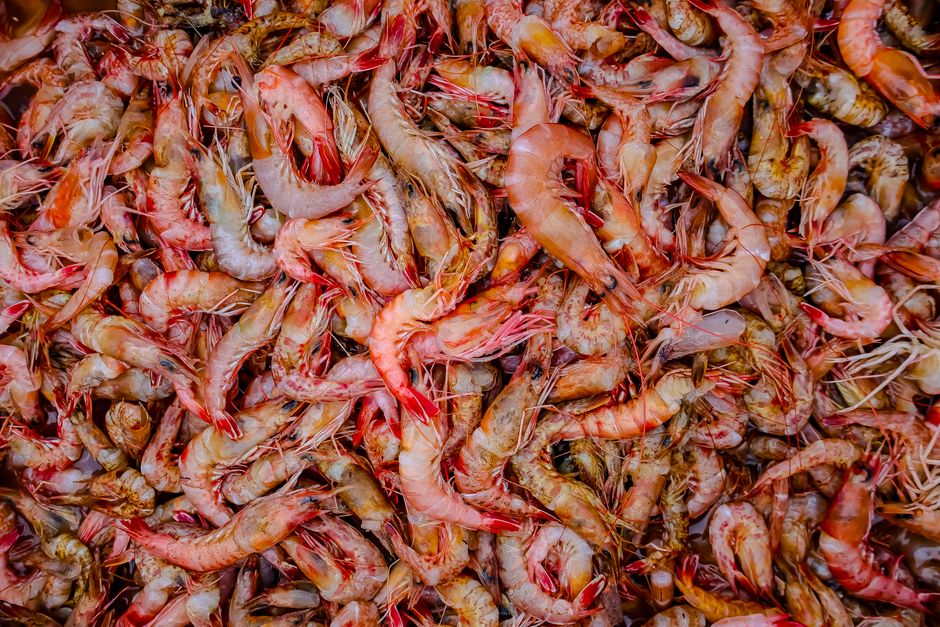
Yes, you can physically eat the shell of a shrimp, and millions of people do it regularly in fried or grilled dishes where the shell becomes crispy. It is not toxic, and it is a common source of fiber and calcium in many cuisines. However, it is not something most Americans do, and there are real concerns about digestion, choking, and how the shrimp was prepared that you should understand before making it a habit.
Is It Safe To Eat Shrimp Shells?
Eating a shrimp shell is not dangerous in the way that eating a raw bean or a toxic mushroom is dangerous. The shell is made of a material called chitin, which is the same structural fiber found in the exoskeletons of crabs, lobsters, and insects. Your body does not digest chitin, but it passes through your digestive tract like insoluble fiber.
That said, “safe” depends on your definition. For a healthy adult with a normal digestive system, a few crispy shells are generally fine. For someone with a sensitive stomach, Crohn’s disease, diverticulitis, or a history of intestinal blockages, eating a pile of sharp, indigestible shells is a poor idea. The sharp edges can irritate the lining of the throat or intestines, and in rare cases, they can cause physical damage.
The bigger risk is choking. Shrimp shells are tough and can be hard to chew completely. If you swallow a large piece without chewing it properly, it can lodge in your throat. This is especially true for children and older adults who may have difficulty chewing thoroughly.
What Is Shrimp Shell Actually Made Of?
Shrimp shells are mostly chitin, a long-chain polymer of glucose derivatives. Chitin is the second most abundant natural polymer on Earth, after cellulose. It is what gives the shell its rigid, protective structure.
Beyond chitin, the shell contains calcium carbonate, which contributes to its hardness, and a small amount of protein. It also holds pigments called carotenoids, including astaxanthin. Astaxanthin is the compound that gives shrimp their pink-orange color when cooked. It is a powerful antioxidant, and some research suggests it has anti-inflammatory properties, though the amounts in a single shrimp shell are small.
Because your body cannot break down chitin, the shell provides almost no caloric value. It is essentially a vehicle for calcium and trace minerals, not a meaningful source of protein or energy.
Can You Eat The Shell Of A Shrimp For Health Benefits?
The main nutritional argument for eating shrimp shells is the calcium content. The shell is rich in calcium carbonate, and some people eat whole shrimp specifically to boost their calcium intake. This is common in parts of Asia, particularly in Japan and China, where small dried shrimp with shells are eaten as snacks or added to soups.
There is a catch, though. The calcium in shrimp shells is bound up in a crystalline structure that is not easily released during digestion. Your stomach acid can break down some of it, but not all. The actual amount of calcium your body absorbs from a shrimp shell is likely lower than the total amount present. It is not a substitute for dairy, fortified plant milks, or a calcium supplement, but it does contribute something.
Chitin itself has been studied for its potential as a prebiotic. Some research suggests that chitin may feed beneficial bacteria in the gut, similar to how plant fiber works. However, human studies on this are limited. Most of the research on chitin and its derivative, chitosan, has been done in animals or in test tubes. Some studies suggest chitosan may bind to dietary fats and reduce their absorption, which is why it appears in some weight loss supplements. But the evidence for meaningful weight loss in humans is weak, and the FDA has not approved chitosan for that purpose.
If you are eating shrimp shells for health, be honest with yourself about what you are getting. You are getting fiber, some calcium, and trace antioxidants. You are not getting a miracle nutrient.





Are There Risks To Eating Shrimp Shells?
There are four main risks to consider, and they are worth taking seriously.
Choking hazard. This is the most immediate and serious risk. Shrimp shells are rigid and can be slippery when cooked. A large piece can easily get stuck in the windpipe. Always chew thoroughly, and do not give whole shrimp with shells to young children.
Digestive irritation. The sharp, pointed edges of the shell can scratch the lining of the esophagus or intestines. For most people, this is a minor irritation that passes. For people with inflammatory bowel disease, diverticulitis, or a narrowed esophagus, it can be more serious. If you have any of these conditions, avoid shrimp shells entirely.
Contaminants. Shrimp shells can absorb heavy metals and other contaminants from the water they live in. This is true of the shrimp meat as well, but the shell often has higher concentrations because it is the outer barrier. Farmed shrimp from certain regions has been found to contain antibiotics and other residues. The shell does not protect you from these; it holds them. This is not a reason to panic, but it is a reason to buy shrimp from reputable sources.
Allergic reactions. If you have a shellfish allergy, the shell contains the same allergenic proteins as the meat. Eating the shell will trigger the same reaction as eating the shrimp itself. There is no way to separate the shell from the allergen.
How To Eat Shrimp Shells Safely
If you decide to eat shrimp shells, how you cook them matters more than anything else.
The shell must be cooked until it is crispy. Raw or undercooked shrimp shells are rubbery, tough, and nearly impossible to chew into small enough pieces. The goal is to make the shell brittle enough that it shatters when you bite down, not bends and tears.
Frying is the most common method. Deep-fried or pan-fried shrimp with the shell on, like the Chinese dish salt and pepper shrimp, turns the shell into a crisp, edible coating. Grilling can also work, especially with smaller shrimp, but the shell may remain tougher in spots. Boiling does not achieve this. Boiled shrimp shells stay soft and leathery, and they are much harder to chew safely.
Chewing is not optional. You must grind the shell down with your molars before swallowing. If you find yourself swallowing pieces that are larger than a grain of rice, stop eating the shells.
You can also use shrimp shells to make stock. This is a common practice in many cuisines, and it is the safest way to get flavor and some nutrients from the shell without eating the shell itself. Simmer the shells in water with aromatics, then strain them out. The liquid absorbs the flavor and some minerals, and you avoid the choking and digestive risks entirely.
What About Shrimp Shell Powder Or Supplements?
Shrimp shell powder is sold as a calcium supplement in some markets. The shells are dried, ground into a fine powder, and encapsulated. This is a legitimate way to consume the shell because the grinding process removes the choking hazard and makes the calcium more accessible to digestion.
However, there is no clinical guideline that recommends shrimp shell powder over standard calcium supplements like calcium carbonate or calcium citrate. The evidence for its superiority is absent. If you are looking for a calcium supplement, a standard, well-tested product is a more reliable choice. Shrimp shell powder is not regulated by the FDA as a drug, so the quality and dosage can vary between brands.
There is also chitosan, a processed derivative of chitin, which is sold as a weight loss aid. The evidence that chitosan causes meaningful weight loss is weak. Some small studies show a modest effect on fat absorption, but the effect is small and not consistent. It is not a substitute for diet and exercise.
Do Other Cultures Eat Shrimp Shells?
Yes, and it is worth understanding that this is not a fringe practice. In Japan, small dried shrimp with shells are eaten whole as a snack called sakura ebi. In China, whole shrimp are often fried with the shell on and eaten entirely. In parts of Southeast Asia, shrimp paste and shrimp powder are made from whole shrimp, including the shell. In Scandinavia, small fried shrimp are sometimes eaten shell and all.
In the United States, the practice is rare outside of specific regional dishes. Most Americans peel shrimp before cooking or eating. This is a cultural preference, not a safety rule. There is nothing inherently wrong with eating the shell, and there is nothing inherently wrong with peeling it off. It is a matter of texture preference, not a health mandate.
Frequently Asked Questions
Can eating shrimp shells cause appendicitis?
There is no strong evidence that eating shrimp shells causes appendicitis. However, indigestible material can rarely contribute to a blockage, so it is wise to chew shells thoroughly and eat them in moderation.
Are shrimp shells good for dogs?
Some dogs can eat small amounts of cooked, crushed shrimp shells, but the sharp edges pose a choking and intestinal damage risk. It is safer to give your dog plain shrimp meat without the shell.
Does frying shrimp with the shell on make it safe to eat?
Frying makes the shell crispy and easier to chew, which reduces the choking risk, but it does not make the shell digestible. Your body will still pass the chitin through undigested.
Can you eat the shell of a shrimp if you have a shellfish allergy?
No. The shell contains the same allergenic proteins as the meat, so eating it will trigger the same allergic reaction. Avoid the shell entirely if you have a shellfish allergy.
