
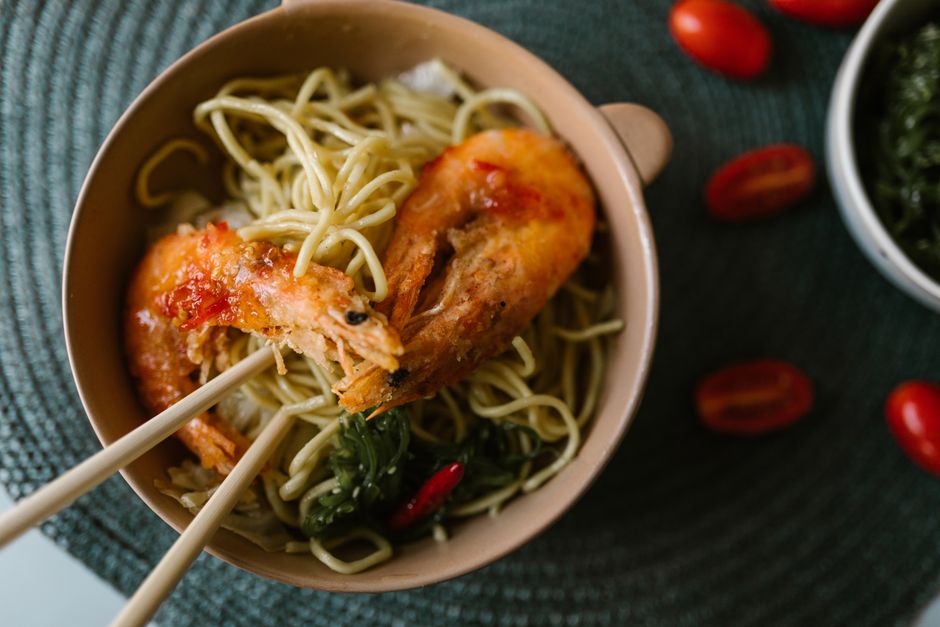
Yes, it is safe to eat shrimp when pregnant, provided it is fully cooked and consumed as part of a balanced diet. The FDA and the American College of Obstetricians and Gynecologists include shrimp on the list of fish and shellfish that are low in mercury, making it a healthy choice for expectant mothers. The key is to ensure the shrimp is cooked to an internal temperature of 145°F and to avoid raw or undercooked preparations like sushi or ceviche.
Is It Safe To Eat Shrimp When Pregnant? Truth
Shrimp is one of the safest seafood options during pregnancy. It is naturally low in mercury, which is the main concern with fish consumption during pregnancy. High mercury levels can harm a developing baby’s nervous system, but shrimp contains only trace amounts. This makes it a smart protein choice that also provides important nutrients like iodine and omega-3 fatty acids.
The main risk with shrimp is not mercury but foodborne illness. Raw or undercooked shrimp can carry bacteria, viruses, and parasites that are dangerous during pregnancy. Cooking shrimp thoroughly eliminates these risks. The FDA recommends that pregnant women eat 8 to 12 ounces of low-mercury seafood per week, and shrimp fits squarely within that guidance.
How Much Mercury Is In Shrimp?
Shrimp is classified as a “Best Choices” seafood by the FDA, which means it is among the lowest-mercury options available. The average mercury level in shrimp is well below the FDA’s action level for commercial fish. This is because shrimp are small, short-lived creatures that do not accumulate mercury the way larger predatory fish like shark, swordfish, and king mackerel do.
To put it in perspective, a pregnant woman would need to eat an unrealistic amount of shrimp to approach any mercury-related concern. The real issue is portion control and preparation method, not mercury toxicity. Eating shrimp two to three times per week falls well within established safety guidelines for pregnancy.
What Are The Risks Of Eating Shrimp While Pregnant?
The primary risk comes from foodborne illness, not from the shrimp itself. Raw or undercooked shrimp can harbor Listeria, Salmonella, and Vibrio bacteria. Listeria is especially concerning during pregnancy because it can cross the placenta and cause serious complications including miscarriage, preterm labor, or severe illness in the newborn.
Another consideration is shellfish allergy. If you have never eaten shrimp before, pregnancy is not the time to try it for the first time. An allergic reaction can be severe and complicate your prenatal care. If you have eaten shrimp safely before pregnancy, there is no reason to stop now.
Contamination is also possible after cooking. Shrimp that is properly cooked but then left at room temperature for more than two hours can develop bacteria. Refrigerate leftovers promptly and reheat them to steaming hot before eating.




How Should Shrimp Be Cooked During Pregnancy?
Shrimp must be cooked until it is opaque and firm. The flesh should be pearly white with a pink or red tint, and the internal temperature should reach 145°F. Shrimp cooks quickly, usually in two to three minutes depending on size. Overcooking makes it rubbery, but undercooking is the real danger during pregnancy.
Safe cooking methods include boiling, grilling, baking, and sautéing. Avoid dishes where shrimp is only briefly exposed to heat, such as some stir-fries where shrimp may remain translucent in the center. Cut into the largest shrimp on your plate to verify it is cooked all the way through before eating.
Certain preparations should be completely avoided. These include:
- Raw shrimp in sushi or sashimi
- Ceviche, where shrimp is “cooked” only by citrus acid
- Shrimp cocktail that has been sitting out for extended periods
- Any shrimp dish from a buffet where holding temperatures are uncertain
What Are The Nutritional Benefits Of Shrimp During Pregnancy?
Shrimp is an excellent source of high-quality protein, which is essential for fetal growth and development. A 3-ounce serving provides roughly 20 grams of protein with only about 84 calories. It is also rich in iodine, a nutrient that supports thyroid function and fetal brain development.
Shrimp contains omega-3 fatty acids, particularly DHA, which plays a role in baby’s brain and eye development. It also provides zinc, vitamin B12, and selenium. Selenium acts as an antioxidant and supports immune function, which is valuable during pregnancy when the immune system is naturally suppressed.
One thing to watch is sodium content. Shrimp is often sold pre-seasoned or brined, which can add significant sodium. If you have high blood pressure or are at risk for preeclampsia, choose fresh or frozen shrimp without added salt and season it yourself at home.
Can Pregnant Women Eat Shrimp From Restaurants?
Yes, but you need to be careful about how it is prepared. Ask your server whether the shrimp is fully cooked. In many restaurants, shrimp dishes are cooked to order and safe. However, some establishments use shrimp that is pre-cooked and then only warmed, which is fine as long as it is heated properly.
Be cautious with dishes where shrimp is served cold, like shrimp salad or shrimp cocktail. These are often safe if the shrimp was cooked and then chilled quickly, but you cannot always verify the handling practices. When in doubt, ask for the shrimp to be served hot or skip it altogether.
Buffets pose an additional risk because food sits out for long periods. The danger zone for bacterial growth is between 40°F and 140°F. If you cannot confirm how long the shrimp has been sitting out, it is safer to choose something else.
Are There Any Types Of Shrimp To Avoid?
Imported shrimp, particularly from countries with less stringent aquaculture regulations, may contain antibiotic residues or be farmed in ways that raise environmental concerns. However, from a food safety standpoint, the cooking method matters more than the origin. Fully cooked imported shrimp is still safe to eat.
Some people prefer wild-caught shrimp for environmental reasons. From a pregnancy safety perspective, both wild-caught and farmed shrimp are acceptable as long as they are thoroughly cooked. The FDA does not distinguish between them in its pregnancy guidelines.
If you are concerned about sustainability, look for shrimp certified by organizations like the Marine Stewardship Council or the Aquaculture Stewardship Council. These certifications indicate better farming and fishing practices, though they do not change the safety profile for pregnancy.
What About Shrimp Shells And Deveining?
Shrimp shells are not toxic, but they can be a choking hazard and are not digestible. During pregnancy, your digestion slows down, which can make fibrous or tough materials more uncomfortable. Remove the shells before eating.
The dark vein running along the back of the shrimp is the digestive tract. It is not harmful if cooked, but it can contain grit and bacteria. Rinsing shrimp and removing the vein before cooking reduces the bacterial load and improves the taste. This is a matter of preference and cleanliness, not a safety requirement.
Frequently Asked Questions
How much shrimp can I eat per week while pregnant?
You can safely eat 8 to 12 ounces of low-mercury seafood per week, which includes shrimp. This translates to roughly two to three servings of about 3 to 4 ounces each.
Can I eat cold shrimp cocktail during pregnancy?
Cold shrimp cocktail is safe only if the shrimp was fully cooked and then properly refrigerated. If you cannot confirm how long it has been sitting out, it is safer to avoid it.
Is frozen shrimp safe during pregnancy?
Frozen shrimp is safe as long as it is thawed in the refrigerator and cooked thoroughly. Avoid thawing shrimp at room temperature, which allows bacteria to multiply.
What happens if I accidentally ate undercooked shrimp while pregnant?
One incident of eating undercooked shrimp does not guarantee illness, but you should monitor for symptoms like nausea, vomiting, or diarrhea within 24 hours. Contact your healthcare provider if you develop symptoms or have concerns.
