
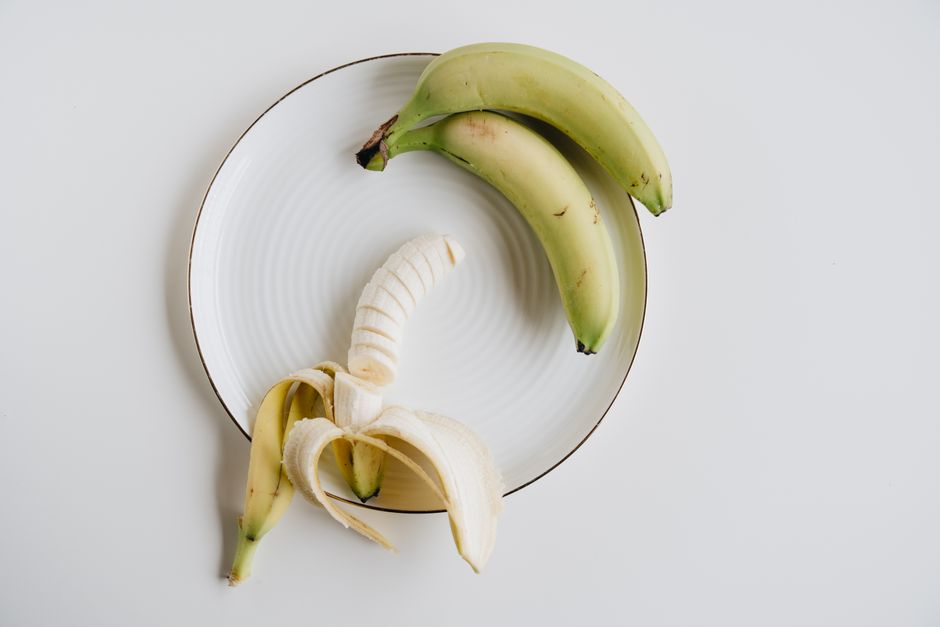
Yes, you can eat a banana peel. It is not toxic, and people in several parts of the world cook and eat it regularly. That said, the peel is tough, bitter when raw, and harder to digest than the fruit inside.
Most Americans throw the peel away out of habit, not because it is dangerous. The bigger questions are whether it offers any real nutritional benefit, how to prepare it so it is actually edible, and what to watch out for. Here is what the evidence shows and where it is thin.
Is A Banana Peel Safe To Eat?
The peel of a ripe banana is safe to swallow. It contains no toxins that would harm a healthy adult, and food authorities do not classify it as hazardous.
The catch is not safety. It is texture and taste. Raw peel is fibrous and astringent, and it contains compounds called tannins that create a dry, puckering mouthfeel. That is why almost nobody eats it raw by choice.
There is one real safety consideration worth naming. Banana peels carry pesticide residue more readily than the fruit inside, because the peel is the part directly exposed to sprays. Washing the peel under running water before use reduces surface residue. Buying organic is an option if you want to lower exposure further, though the evidence does not show that organic produce is meaningfully more nutritious.
For most healthy adults, eating a washed, cooked peel is not a risk. If you have a banana allergy, avoid the peel too. People with latex allergies sometimes react to bananas because the proteins are similar, and that cross-reactivity applies to the peel as well.
What Is Actually In A Banana Peel?
The peel contains fiber, some vitamins and minerals, and antioxidant compounds. The exact amounts vary widely depending on ripeness, variety, and growing conditions, so no single number applies to every banana.
What is well established is the general profile. Banana peels are a meaningful source of dietary fiber, including both soluble and insoluble types. They contain potassium, magnesium, and some B vitamins. They also contain polyphenols and carotenoids, which are antioxidant compounds found in many plant foods.
Here is the part that gets oversold. Having these nutrients present does not mean eating the peel delivers a health benefit. The amounts in a single peel are modest, and your body may not absorb all of them efficiently from the tough fibrous matrix. A peel is not a multivitamin. It is a fibrous plant material with some nutrients in it.
One non-obvious point: as a banana ripens, its starch converts to sugar and the peel changes color and texture. A greener peel is more astringent and harder to chew. A riper, spotted peel is softer and slightly sweeter, which makes it easier to cook with. The ripeness stage matters more for edibility than for any health claim.
Can You Eat The Peel Of A Banana Raw?
You can, but you probably will not enjoy it. Raw peel is extremely fibrous, bitter, and hard to chew. It can also be difficult to digest, which may lead to bloating or stomach discomfort in some people.
If you want to try it raw, blending is the practical route. A whole banana with the peel blended into a smoothie breaks down the fiber enough to swallow. Even then, the bitterness comes through, and many people find it unpleasant.
Cooking is the better approach. Heat softens the fiber and reduces the astringency, which is why the peel becomes genuinely edible once cooked. This is not a new idea. Cooks in India, parts of Southeast Asia, and the Caribbean have long used banana peels in curries, chutneys, and stews.





How Do You Prepare A Banana Peel To Eat?
Wash the peel first, then cook it. Those two steps cover most of what matters.
- Rinse the whole banana under running water and scrub the peel gently to remove surface residue and dirt.
- Cut off the stem and the very top and bottom ends, which are the toughest parts.
- Boil, sauté, roast, or blend the peel. Heat breaks down the fibrous texture and mellows the bitterness.
- Pair it with strong flavors. Banana peel has little taste of its own once cooked, so it takes on spices, sauces, and seasonings well.
Boiling is the simplest method. Simmer the peel in water until it softens, then chop and add it to a dish. Some people boil it twice, discarding the first batch of water, to cut the bitterness further. You can also blend raw peel into a smoothie if you do not want to cook it, though the texture will be rougher.
A common mistake is expecting it to taste like banana. It does not. Cooked peel is closer to a mild vegetable, which is why it works in savory dishes rather than sweet ones.
Does Eating Banana Peel Have Real Health Benefits?
No clinical evidence currently confirms that eating banana peel produces specific health benefits in humans. The claims you see online are mostly built on the nutrients the peel contains, not on studies showing what happens when people eat it.
This is where careful reading matters. It is true that the peel contains fiber, potassium, and antioxidants. It is also true that these nutrients matter for health. What is missing is the link between the two. Showing that a food contains a nutrient is not the same as showing that eating that food improves health outcomes.
Some research has looked at compounds extracted from banana peels in laboratory settings. Laboratory findings are a starting point, not proof. A result in a petri dish or an animal study does not automatically apply to people eating a peel with dinner.
There is also a popular claim that banana peel can whiten teeth or treat skin conditions when rubbed on. No large human trials have confirmed these uses. Treat them as unproven.
If you want the fiber and nutrients, eating the fruit itself, along with a range of vegetables and whole grains, is a well-supported way to get them. The peel can be part of a varied diet, but it is not a shortcut to better health on its own.
Who Should Avoid Eating Banana Peel?
Some people should skip it. The main groups are those with a banana or latex allergy, and anyone with a digestive condition that makes high-fiber foods difficult.
If you have irritable bowel syndrome or another condition where fiber triggers symptoms, a tough, fibrous peel is likely to make things worse rather than better. The same applies if you have trouble digesting high-fiber foods in general.
Pesticide residue is a reasonable concern for anyone eating the peel, since it is the part exposed to sprays. Washing helps. If you are pregnant, breastfeeding, or feeding a young child, there are no specific clinical guidelines on eating banana peel, so treat it as you would any new food and use judgment.
Start with a small amount if you want to try it. A large serving of an unfamiliar fibrous food can cause bloating and gas, and a small test tells you how your gut responds.
The Bottom Line On Banana Peels
Eating a banana peel is safe for most healthy adults and is a normal practice in many cuisines. It is not a superfood, and no strong evidence shows it treats or prevents any disease.
If you are curious, wash it and cook it. If you are not, tossing the peel costs you very little. The fruit inside is where the well-documented nutrition sits, and that is the part worth eating every time.
Frequently Asked Questions
Can you eat a banana peel raw?
You can, but it is bitter, tough, and hard to digest. Cooking the peel softens the fiber and makes it far more edible.
Is banana peel toxic to humans?
No, banana peel is not toxic to humans. It is safe to eat for most healthy adults once it is washed and, ideally, cooked.
Does eating banana peel have health benefits?
No clinical evidence currently confirms specific health benefits from eating banana peel in humans. It contains fiber and some nutrients, but that is not the same as proven health effects.
Who should not eat banana peel?
People with a banana or latex allergy should avoid it, and anyone with a digestive condition worsened by high-fiber foods should be cautious. Washing the peel first also reduces pesticide residue.
