
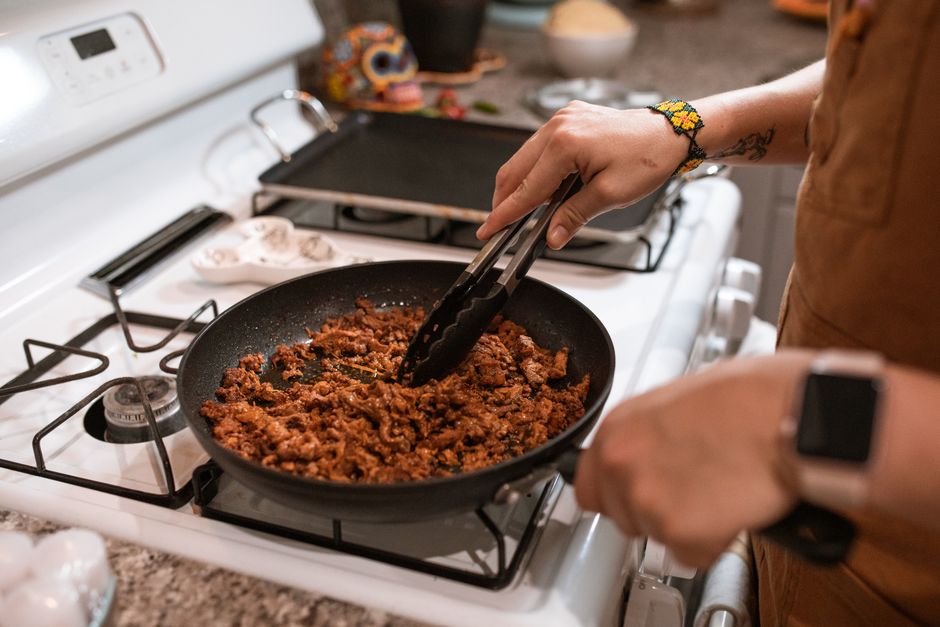
Can you eat raw ground beef? The direct answer is no. Eating raw or undercooked ground beef is not safe. The grinding process spreads surface bacteria throughout the meat, making the risk of foodborne illness much higher than with whole cuts of beef. There is no reliable way to eliminate this risk without cooking the meat to a safe internal temperature.
Why Is Raw Ground Beef Riskier Than Raw Steak?
Whole cuts of beef like steaks or roasts only harbor bacteria on their outer surface. When you sear the outside, that surface bacteria is killed while the interior remains sterile. Ground beef is different. The grinding process takes exterior surfaces—where bacteria naturally live—and mixes them throughout the entire batch. Any bacteria present on the original cut become distributed evenly inside the ground meat.
This means the inside of a raw hamburger patty can contain harmful bacteria even if it looks fresh. Cooking a steak to rare is relatively safe because the outside reaches high heat. Cooking a burger to rare is not safe because the interior never gets hot enough to kill bacteria that may be present throughout.
Health authorities including the USDA and CDC consistently advise cooking ground beef to an internal temperature of 160°F (71°C). This is enough to destroy common pathogens like E. coli O157:H7 and Salmonella. No temperature below that provides the same safety margin.
What Are the Main Pathogens in Raw Ground Beef?
Several bacteria can cause illness from raw or undercooked ground beef. The most serious is Shiga toxin-producing Escherichia coli (STEC), especially O157:H7. This strain produces a toxin that damages the lining of the small intestine and can lead to hemolytic uremic syndrome, a severe kidney complication particularly dangerous for children and older adults.
Salmonella is another common pathogen found in ground beef. It causes diarrhea, fever, and abdominal cramps typically lasting four to seven days. Listeria monocytogenes can also contaminate ground beef and is especially risky for pregnant women, newborns, and people with weakened immune systems.
These bacteria come from the animal’s intestinal contents or from contact with contaminated surfaces during slaughter and processing. Even the cleanest processing facilities cannot guarantee bacteria-free ground beef. This is why cooking remains the only reliable control measure.
Can You Eat Raw Ground Beef If It’s Fresh or High-Quality?
No. Freshness and quality do not eliminate bacterial contamination. Bacteria can be present from the moment the meat is ground, even if the meat looks, smells, and tastes normal. High-quality ground beef from grass-fed, organic, or locally sourced animals carries the same risks because the grinding process itself is the problem.
Some people believe that “fresh never-frozen” ground beef from a trusted butcher is safer. That belief is not supported by evidence. Bacteria are invisible. No visual inspection, smell test, or freshness guarantee can confirm the absence of pathogens. Ground beef labeled as “antibiotic-free” or “pasture-raised” also offers no additional safety against bacterial contamination.
The only exception is when ground beef has been treated with a validated pathogen reduction process, such as irradiation. Irradiated ground beef is available in some markets but is not common. Most ground beef sold in the United States has not been irradiated. Even then, safe handling practices still apply.




Does Freezing Raw Ground Beef Kill the Bacteria?
Freezing does not kill harmful bacteria in ground beef. It only stops bacterial growth temporarily. When the meat thaws, any bacteria present can resume multiplying if the temperature becomes favorable (above 40°F).
Research shows that freezing can reduce the number of some bacteria by a small amount, but it does not reliably eliminate pathogens like E. coli or Salmonella. The USDA states that freezing is not a method for making raw meat safe to eat. Only cooking to the proper internal temperature can achieve that.
If you freeze ground beef for storage, thaw it safely in the refrigerator, not on the counter. Cook it soon after thawing—within one to two days. And still cook it to 160°F regardless of how long it was frozen.
What About Steak Tartare and Other Raw Beef Dishes?
Steak tartare is a dish made from raw beef, typically seasoned and served with a raw egg yolk. It is served in some restaurants, but that does not mean it is safe. Tartare is almost always made from whole muscle cuts, not ground beef, and the meat is carefully trimmed of exterior surfaces to reduce bacterial load. Even then, there is no guarantee of safety.
Some other raw beef dishes exist in various cuisines—such as beef carpaccio, kitfo, or yukhoe. These dishes carry known risks. If you choose to eat them, you are accepting an elevated chance of foodborne illness. No amount of lemon juice, vinegar, wine, or spice marinade reliably kills bacteria in raw meat. Acidic marinades can reduce surface bacteria but do not penetrate or eliminate all pathogens.
Restaurants that serve raw beef dishes typically source whole cuts from inspected suppliers and handle them under strict temperature control. But even these measures cannot eliminate risk completely. Outbreaks linked to raw beef dishes have been documented. The CDC advises that people at higher risk—children under 5, adults over 65, pregnant women, and those with weakened immune systems—avoid raw or undercooked meat entirely.
How Should You Handle and Cook Ground Beef Safely?
Follow these steps for safe ground beef handling in your kitchen:
- Store properly. Refrigerate ground beef at 40°F or below. Use or freeze within two days of purchase.
- Prevent cross-contamination. Keep raw ground beef and its juices away from other foods. Wash hands, cutting boards, counters, and utensils with hot soapy water after contact.
- Cook thoroughly. Use a food thermometer inserted into the thickest part of the patty or loaf. Cook to an internal temperature of 160°F (71°C). Color is not a reliable indicator—some ground beef can turn brown before reaching 160°F, and some can remain pink even when safely cooked.
- Serve and store leftovers. Keep cooked ground beef hot (above 140°F) until serving. Refrigerate leftovers within two hours, and within one hour if the ambient temperature is above 90°F. Reheat leftovers to 165°F.
If you accidentally eat raw or undercooked ground beef, watch for symptoms like stomach cramps, diarrhea (often bloody), vomiting, and fever. Symptoms usually appear one to ten days after exposure depending on the pathogen. Contact a healthcare provider if symptoms develop, especially if you are in a high-risk group.
Frequently Asked Questions
Can you eat raw ground beef if it’s grass-fed?
No. Grass-fed ground beef carries the same bacterial risks as any other ground beef. The grinding process mixes bacteria throughout the meat regardless of the animal’s diet.
Can you eat raw ground beef if it’s from a butcher?
No. Butcher-sold ground beef is not safer to eat raw. Butcher shops follow similar grinding processes and cannot guarantee the absence of pathogens. Cooking to 160°F is still necessary.
Is raw ground beef safe for dogs?
No. Dogs can also get sick from E. coli, Salmonella, and other bacteria in raw ground beef. The CDC and FDA do not recommend feeding raw meat to pets due to the risk of illness and potential spread of bacteria in the home.
What happens if you accidentally eat raw ground beef?
You may develop food poisoning symptoms such as stomach pain, diarrhea, vomiting, and fever within a few hours to several days. Most healthy adults recover without treatment, but contact a doctor if symptoms are severe or you are in a high-risk group.
